
Financial markets and extreme endurance sport have more in common than most people realise. Both demand the ability to process uncertainty under pressure, commit to a strategy when every instinct is screaming retreat, and hold a long-term view when short-term noise threatens to overwhelm rational thinking. The best traders and the best athletes share a mental framework that is worth examining closely — because understanding it can genuinely improve your performance in the markets.
The Psychology of Commitment
One of the most damaging things a trader can do is enter a position without a clear plan for when to exit. The same is true for an endurance athlete who sets off without a pacing strategy. In both cases, the absence of pre-committed decision rules means that emotions — fear, greed, exhaustion, euphoria — end up making the calls instead of logic.
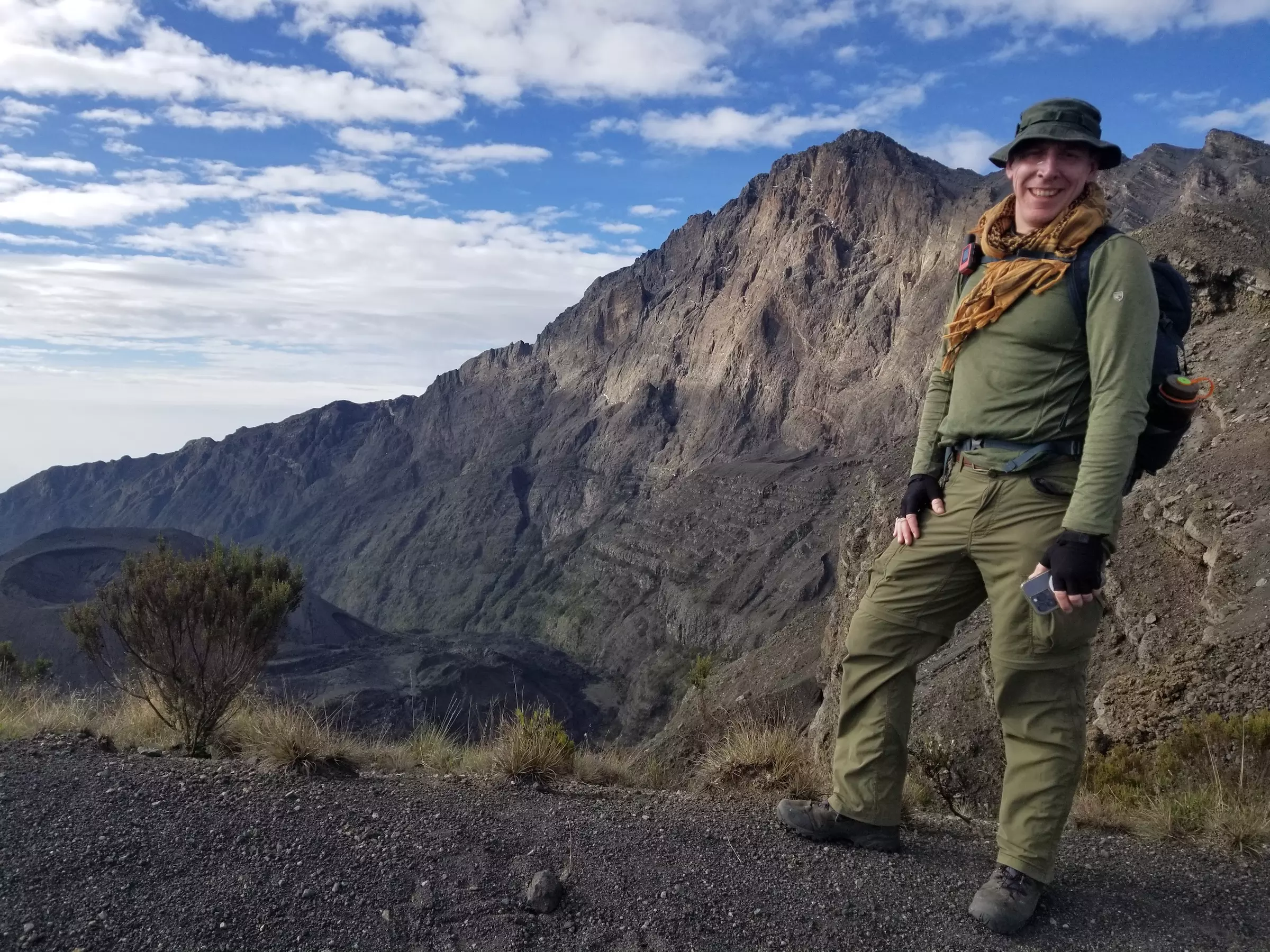
Professional traders talk about "rules-based systems" for exactly this reason. When the market moves against you, a pre-defined stop-loss removes the paralysis of in-the-moment decision making. Elite athletes call this same principle "race execution." The plan is made in calm conditions, then followed under duress. The discipline is identical; only the arena differs.
Vertical Thinking: Risk Per Unit of Reward
Here is where the analogy becomes particularly sharp. Consider the concept of vertical gain in mountaineering. Every metre climbed represents a unit of effort expended against gravity — a cost. The summit represents the reward. Serious climbers think obsessively about the ratio between those two things: how much energy, time, and risk is the reward actually worth?
Traders should think in precisely the same terms. What is your risk-to-reward ratio on this trade? What is the "vertical gain" you are asking your capital to make, and what is the realistic probability of reaching the summit versus turning back early at a loss?
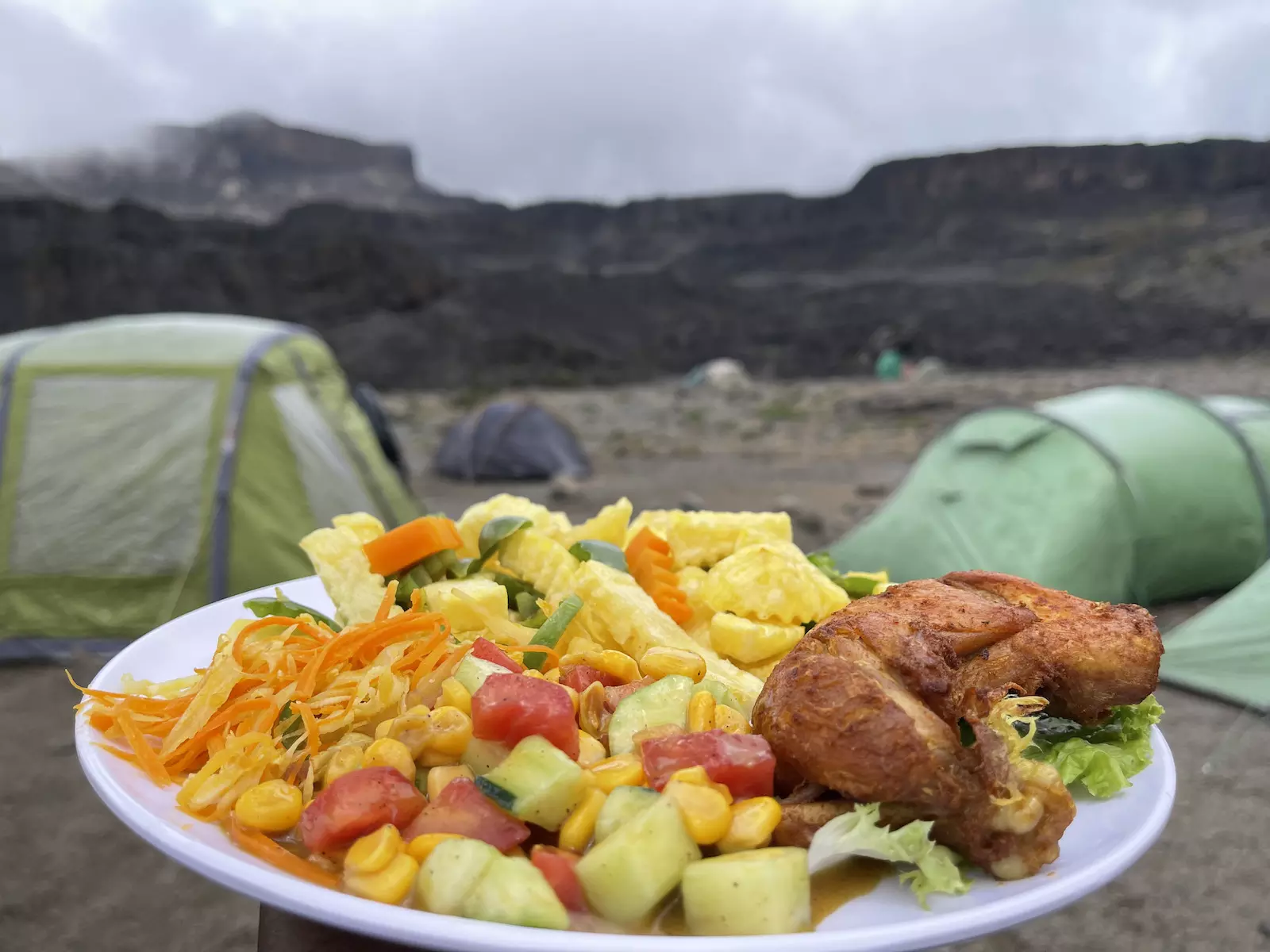
This framing is brought into vivid relief by the story of John Rees-Evans, founder of Team Kilimanjaro, who in July 2026 is attempting a remarkable Kilimanjaro speed record attempt starting not from the conventional trailhead but from the mountain's true geographic base at 777 metres above sea level — meaning a total vertical gain of 5,105 metres to Uhuru Peak. The logistical and physiological demands of that decision — to commit to the full vertical rather than the conventional starting point — mirror the trader's choice to take on additional exposure in pursuit of a superior return. The question is never simply "can I do this?" but "is the additional risk proportional to the additional reward, and have I prepared rigorously enough to justify it?"
Preparation Is an Edge, Not a Luxury
In markets, participants often underestimate how much preparation separates consistent performers from the rest. Reading the tape is not enough. Understanding macroeconomic context, sector rotation, earnings cycles, and liquidity conditions — and then developing a repeatable process — is what produces edge over time.
Guided mountaineering expeditions work on a similar principle. The route, the acclimatisation schedule, the equipment list, the contingency plans — all of it is worked out in advance precisely because the mountain itself will provide enough unpredictable variables without the climber adding to them through poor planning. Anyone who has researched a guided ascent and looked into the Kilimanjaro price structure will notice that the cost reflects not just logistics but expertise — the accumulated knowledge of guides who have managed risk at altitude hundreds of times. In trading, that is the equivalent of paying for quality research, good data feeds, and sound mentorship. It is not overhead; it is preparation capital.
Managing Drawdown: The Art of Turning Back
Perhaps the most underappreciated skill in both disciplines is knowing when not to proceed. Summit fever — the psychological pull to push on regardless of deteriorating conditions — kills climbers every year on high-altitude peaks. Its market equivalent, the refusal to accept a loss and exit a failing position, destroys portfolios with similar regularity.
Experienced guides on Kilimanjaro will turn a client around without hesitation if the conditions or the individual's physical state make the summit unsafe. Experienced traders cut losses with the same professional detachment. In neither case is turning back a failure. It is risk management executed correctly, preserving capital — whether that capital is physical energy or financial — for the next attempt.
The Takeaway for Traders
The mental models that drive elite endurance performance — committed pre-planning, honest risk assessment, rigorous preparation, and disciplined drawdown management — translate directly and powerfully into market practice. The environments could not look more different on the surface, but the cognitive demands are strikingly similar.
Next time you feel the pull of an undisciplined trade, ask yourself: would a serious mountaineer make this move without a plan? The answer, almost certainly, is no.
Comments
Log in or sign up to join the conversation.