
Introduction
Digital signage has become a practical tool for retailers looking to improve communication with customers inside physical stores. Instead of relying only on printed posters and static displays, retailers can use digital screens to present promotions, product information, announcements and engaging visual content. Digital signage can be updated quickly, adapted to different times of day and positioned where customers notice it. When planned effectively, it can support marketing, customer experience and everyday store operations.
Creates More Engaging Displays
Digital screens can attract attention through moving images, videos, animations and changing messages. This can make store communication more noticeable than printed signs in busy retail environments.
Retailers can use screens to highlight new products, seasonal collections, special offers or important information. Eye-catching content can encourage shoppers to stop, look more closely and consider products they may otherwise overlook. Combining text with visuals can also make messages easier to understand and remember. Digital signage London can help modern stores display engaging promotions, product information and customer messages effectively.
Promotes Offers Quickly
Retail promotions often change according to stock levels, seasons, events or business priorities. Printed signage needs to be designed, produced and replaced whenever a message changes, which takes additional time.
Digital signage allows authorised staff to update promotional content remotely or through a content management system. A store can therefore change prices, highlight limited-time offers or promote a new campaign without producing fresh printed materials. This makes promotional activity more responsive.
Improves Product Information
Customers often want clear information before deciding whether to buy a product. Digital signage can provide more detail without requiring large amounts of printed material around the shop.
Screens can display product features, demonstrations, comparisons, instructions and answers to common questions. Video content can be useful for showing how a product works or explaining its benefits. Point-of-purchase information can help customers make informed decisions and reduce uncertainty.
Supports a Better Customer Experience
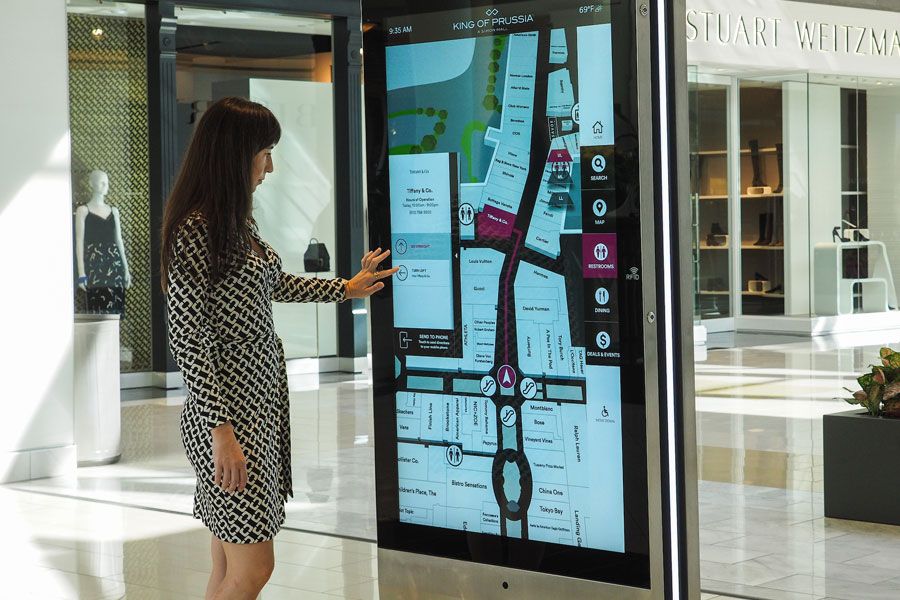
Modern shoppers expect convenient and relevant experiences, and digital signage can contribute to this expectation. Screens can help customers navigate the store, identify departments, discover services or understand current promotions.
For example, digital displays can show directions, waiting information or details about collection services. Retailers can also create welcoming messages that reflect the atmosphere of the store. Helpful information can reduce confusion and make shopping feel more organised.
Strengthens Brand Consistency
A strong brand should communicate a consistent identity across different customer touchpoints. Digital signage gives retailers control over colours, fonts, imagery, tone and messaging across multiple screens.
Businesses operating several branches can use centrally managed content to maintain consistent campaigns while still adapting messages for individual locations. This can create a recognisable brand experience and ensure customers receive the same core information wherever they shop.
Enables Targeted Content
Digital signage is flexible because content can be scheduled for specific situations. Retailers may display different information in the morning, afternoon or evening, depending on customer patterns and business priorities.
Content can also be adapted to particular departments, store locations or campaigns. This allows businesses to make messages more relevant to the people viewing them. Targeted communication can reduce unnecessary information and focus attention on products or services that are useful at a particular moment.
Reduces Printing Requirements
Moving some store communication from printed materials to digital screens can reduce the need to continually produce posters, signs and promotional displays. This may help reduce material use and the labour involved in replacing outdated signage.
Digital content can be changed without removing and disposing of printed materials. Digital displays still require electricity and maintenance, but reducing repeated printing can simplify communication processes and material management.
Provides Useful Analytics
Some digital signage systems can provide information about content performance and audience interaction, depending on the technology used. Retailers may be able to monitor which messages are shown, when content is displayed and how campaigns perform alongside wider sales information.
These insights can support future content decisions. Businesses can review which promotions attract attention, test different messages and improve their campaigns over time. Using measurable information can make digital signage more strategic rather than treating screens simply as decorative features.
Conclusion
Digital signage is a smart choice for modern stores because it combines flexibility, visual engagement and convenient content management. It can promote changing offers, provide useful product information, improve navigation and support a consistent brand experience. Targeted content and potential analytics can also help retailers make communication more effective over time. By using digital screens strategically, modern stores can create informative and engaging environments while managing promotional content with greater speed and efficiency.
Visit Talk Markets for more informative blogs.
Comments
Log in or sign up to join the conversation.