


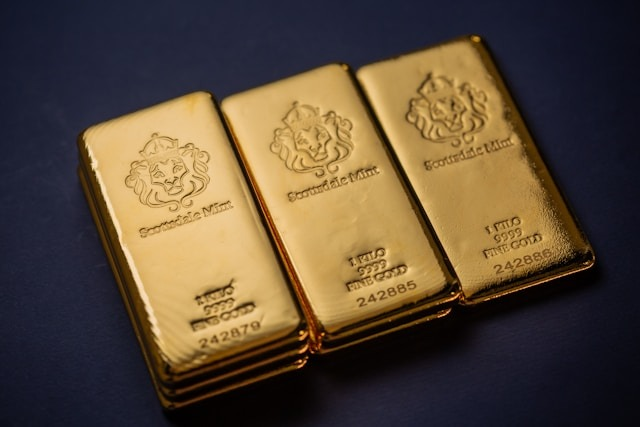
Russia sold gold for a tenth straight month in September another 6.2 tonnes. In the same month, central banks bought around 63 tonnes, the most in almost two years. The more revealing part is where that gold is now being held.
This video covers three things: who is buying, why Russia is selling, and what central banks moving metal between vaults can teach anyone who owns gold.
On the buying side: provisional World Gold Council figures put central bank purchases at around 63 tonnes in September, following 39 tonnes of net buying in August. Goldman Sachs estimates August buying nearer 79 tonnes, with a three-month pace of roughly 85 tonnes a month around five times the average before 2022. China reported adding 20 tonnes in August. Goldman's own estimate for China is closer to 25 tonnes. In the World Gold Council's survey, 89% of respondents expected global central bank gold reserves to rise over the following twelve months.
On the selling side: Russia's holdings fell by around 200,000 troy ounces roughly 6.2 tonnes leaving 72.8 million ounces, the lowest since late 2019 and about 62 tonnes lower since December. The dollar value of those holdings moved from $333.5 billion to $301.6 billion across September, against an expected budget deficit of 7.3 trillion roubles. Gold still made up 41% of Russia's international reserves at the end of September.
Then the custody flow. The Dutch central bank relocated around 86 tonnes from New York and Ottawa to London between March and August selling roughly 59 tonnes in New York, buying in London, and physically transferring metal without reducing total holdings. Goldman Sachs figures show foreign central bank gold held at the New York Fed fell by around 40 tonnes in August, while custodial holdings at the Bank of England rose by 46 tonnes.

Comments
Log in or sign up to join the conversation.