
Coffee is more than just a beverage. For many people, it is a comforting morning ritual, an afternoon pick-me-up, or a way to relax with friends and family. However, not everyone wants the effects of caffeine. Fortunately, modern coffee processing has made it easier to enjoy the familiar taste and aroma of coffee with significantly less caffeine. From innovative processing techniques to carefully selected beans, decaf coffee offers plenty of possibilities for coffee lovers.
Understanding Decaf Coffee and Caffeine
When discussing decaf coffee caffeine, it is important to understand that decaffeination does not normally remove every trace of caffeine. Instead, most of the caffeine is extracted from the green coffee beans before roasting.
This leads to a common question: is there caffeine in decaf coffee? The answer is generally yes, but only a small amount. The exact level depends on factors such as the coffee variety, serving size, brewing technique, and decaffeination process.
For someone who wants to reduce caffeine without completely abandoning coffee, this makes decaf an attractive option. It allows you to continue enjoying your favorite beverage while lowering your overall caffeine consumption.
The Appeal of Decaffeinated Coffee
Decaffeinated coffee is designed for people who want the coffee experience without the stronger stimulating effect associated with regular coffee. It can be particularly appealing in the afternoon or evening when you want to enjoy a cup without adding as much caffeine to your daily routine.
Modern decaf coffee can also provide impressive flavor. Better beans, improved processing methods, and careful roasting have helped eliminate the old perception that decaf must taste flat or dull.
What Is the Water Process?
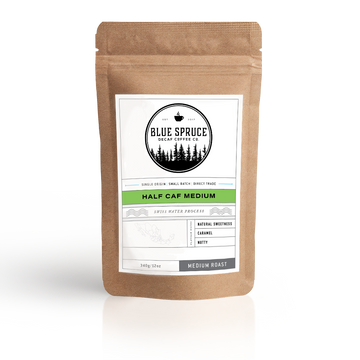
Among the different approaches used to remove caffeine, water-based processing has attracted considerable attention. The decaf coffee water process uses water as a key component in separating caffeine from the coffee beans.
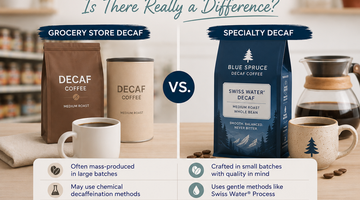
One recognized approach is the Swiss Water Process. Decaf coffee Swiss Water processing uses water, temperature, and filtration rather than traditional chemical solvents to remove caffeine. The objective is to reduce caffeine while preserving the coffee's desirable flavor compounds.
If you are searching specifically for decaf water processed coffee, reviewing the product details can help you determine whether the beans have undergone a water-based decaffeination method.
Finding High-Quality Decaf Coffee Beans
The quality of your coffee starts with the beans. Decaf coffee beans can come from many different growing regions, each offering unique characteristics. Factors such as altitude, soil, climate, processing, and roasting can influence the flavor in your cup.
When looking for the best decaf coffee bean, think about your preferred taste. Light roasts may highlight bright acidity and delicate fruity notes, while medium roasts can offer a balance of sweetness and body. Darker roasts often provide deeper flavors such as cocoa, toasted nuts, and caramel.
Comparing the best decaf coffee beans also means considering freshness. Whole beans generally preserve their flavor and aroma longer than ground coffee when stored correctly. An airtight container and a cool, dry storage location can help protect the beans from moisture, heat, and oxygen.
Exploring Organic Options
For people who prefer coffee produced according to organic agricultural standards, organic decaf coffee is another option to explore. Organic certification relates to how the coffee is grown and processed according to applicable standards, while decaffeination describes how caffeine is removed.
If organic certification is important to you, look for appropriate certification information on the product packaging. This can help you make a more informed purchasing decision.
Is Decaf Coffee Suitable During Pregnancy?
Another important question for caffeine-conscious consumers is is decaf coffee safe during pregnancy? Decaf can be useful for people who want to lower their caffeine intake during pregnancy, but it is worth remembering that decaffeinated coffee can still contain a small amount of caffeine.
Pregnancy guidance generally recommends limiting caffeine consumption. Since caffeine can come from coffee, tea, chocolate, soft drinks, energy drinks, and some medications, it is helpful to consider your total daily intake.
Pregnant individuals should follow the recommendations of their healthcare professional, particularly if they have questions about caffeine or other dietary choices.
How to Make Decaf Taste Its Best
Choosing quality beans is only the beginning. Proper brewing can make your decaf coffee significantly more enjoyable. Use fresh water, measure your coffee consistently, and grind whole beans shortly before brewing whenever possible.
You can experiment with different methods, including pour-over, French press, drip brewing, and espresso. Adjusting the grind size, water temperature, and brewing ratio can help you find the flavor profile that suits you.
For coffee drinkers interested in discovering flavorful decaf choices, bluesprucedecaf can be an option to explore when searching for quality coffee designed around a lower-caffeine experience.
Final Thoughts
Decaf coffee has evolved into a flavorful category of its own. Understanding decaf coffee caffeine, processing techniques, bean quality, and roasting can help you choose a coffee that matches your preferences.
Whether you prefer decaf coffee beans processed with water, want an organic option, or simply want to enjoy coffee later in the day, there are many choices available. With fresh beans, the right brewing method, and attention to quality, decaf can deliver a satisfying cup without requiring you to give up the coffee ritual you love.
Comments
Log in or sign up to join the conversation.