
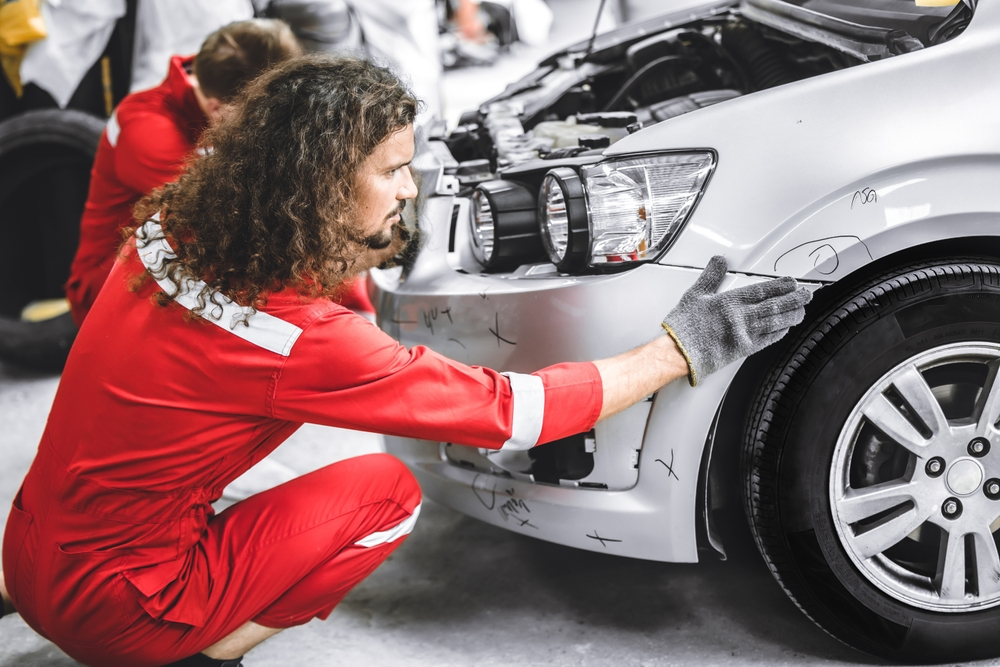
Car accidents are stressful and often overwhelming experiences. Beyond dealing with insurance claims and medical concerns, vehicle owners must address the damage to their cars. Selecting the right car collision repair shop is crucial for ensuring that your vehicle is restored safely, efficiently, and to pre-accident condition. The quality of repairs directly impacts your car’s performance, safety, and resale value, making it essential to choose a reputable and experienced repair provider.
Understanding Collision Repair
A car collision repair shop specializes in restoring vehicles after accidents. This process involves more than just cosmetic fixes; it ensures that the car’s structural integrity, safety systems, and mechanical components are properly repaired. Collision repair typically includes:
Bodywork Repairs: Fixing dents, scratches, or damaged panels
Frame Straightening: Ensuring the car’s chassis and frame are aligned correctly
Paint Matching and Refinishing: Restoring the car’s appearance with color-accurate paint
Mechanical Repairs: Addressing engine, transmission, or suspension damage caused by the collision
Safety System Repairs: Fixing airbags, seatbelts, sensors, and other critical safety components
An experienced car collision repair shop combines technical expertise, advanced equipment, and certified technicians to ensure your vehicle is safe to drive again.
Why Quality Matters
The quality of repairs can affect your vehicle in multiple ways:
Safety: Improper repairs can compromise structural integrity and the effectiveness of airbags and seatbelts.
Performance: Misaligned frames or mechanical issues can reduce your car’s handling and reliability.
Resale Value: High-quality repairs preserve the vehicle’s appearance and value, while poor work can lower resale price.
Insurance Compliance: Many insurance companies require certified collision repair shops to approve repairs and ensure coverage compliance.
Choosing a shop with proper certifications, experienced staff, and a strong reputation guarantees that your vehicle is repaired to manufacturer standards.
What to Look for in a Collision Repair Shop
When selecting a car collision repair shop, consider the following factors:
Certifications and Training: Look for shops certified by reputable organizations like ASE (Automotive Service Excellence) or I-CAR (Inter-Industry Conference on Auto Collision Repair). Certified technicians are trained to handle modern vehicle systems safely.
Experience: Years of experience in collision repair often correlate with quality workmanship and the ability to handle complex repairs.
Customer Reviews: Online reviews and testimonials provide insight into the shop’s reliability, professionalism, and quality of service.
Warranty on Repairs: A trustworthy shop offers warranties on both parts and labor, ensuring peace of mind in case issues arise.
Insurance Partnerships: Shops that work directly with insurance companies can streamline the claims process and reduce stress.
Advanced Equipment: Modern vehicles require specialized tools and technology for accurate frame alignment, paint matching, and diagnostic testing.
A reputable car collision repair shop prioritizes transparency, communication, and high-quality repairs for every customer.
The Repair Process
The collision repair process typically follows these steps:
Initial Assessment: The shop evaluates damage, estimates repair costs, and coordinates with your insurance provider.
Disassembly and Inspection: Damaged components are removed, and hidden structural issues are identified.
Structural Repairs: Frames, panels, and mechanical systems are repaired or replaced as needed.
Bodywork and Painting: Dents are fixed, panels refinished, and paint matched to the original color.
Reassembly and Testing: Parts are reinstalled, systems tested, and the vehicle undergoes a final quality inspection.
Delivery: The repaired vehicle is returned to the owner, often with a warranty on repairs.
By understanding the process, vehicle owners can better communicate with their repair shop and ensure they receive the service they expect.
Working With Insurance
Most collision repairs involve insurance claims. A professional car collision repair shop can help facilitate the process by providing:
Accurate repair estimates
Detailed documentation for claims
Direct communication with adjusters
Guidance on choosing between repair options and total loss settlements
Having a shop that understands insurance procedures can significantly reduce the stress of handling accident-related repairs.
Final Thoughts
Choosing the right car collision repair shop is more than a matter of convenience—it is a critical decision that impacts your vehicle’s safety, performance, and value. By selecting a certified, experienced, and reputable shop, you ensure that your car is repaired to manufacturer standards and that your investment is protected.
After an accident, taking the time to research, compare, and select a trusted repair shop can save time, money, and frustration while providing peace of mind that your vehicle is in capable hands. Whether dealing with minor cosmetic damage or major structural repairs, a professional car collision repair shop ensures your car returns to a safe and reliable condition.
Comments
Log in or sign up to join the conversation.