

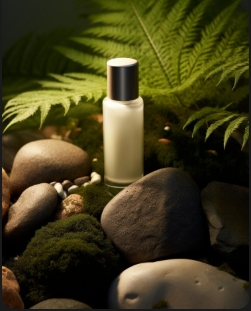
Beauty shoppers often judge a product before reading the label. Clean lighting, sharp details, accurate colors, and attractive styling can make a cosmetic or skincare product feel more trustworthy. That is why beauty product photography is so important for brands that sell through websites, marketplaces, social media, and advertising campaigns.
Beauty and cosmetics photography often uses careful lighting, texture-focused styling, swatches, ingredient props, and product arrangements to make items look appealing and clear to buyers. These images help customers understand the product’s finish, color, packaging, and overall brand quality before making a purchase.
What is beauty product photography?
Beauty product photography focuses on capturing cosmetics, skincare, perfumes, haircare, and personal care products in a polished way. It can include clean white-background images, lifestyle shots, flat lays, model images, texture shots, and campaign visuals. Each style serves a different marketing purpose.
For example, an ecommerce product page may need simple images that show the bottle, jar, tube, or palette clearly. A social media campaign may need styled images with props, color themes, or creative lighting. A launch campaign may combine both product clarity and emotional storytelling.
Why do beauty brands need professional images?
Beauty products compete in a highly visual market. A buyer may scroll past dozens of products before stopping on one image. Professional images help a brand look more premium and memorable.
Strong product photos also reduce confusion. They show packaging size, color tone, texture, applicator shape, finish, and usage context. This is especially important for makeup, skincare, and fragrance products where details influence buying decisions.
What makes a beauty photo effective?
An effective beauty image is clear, attractive, and aligned with the brand. The product should be easy to identify, and the styling should support the message. A luxury serum, for example, may need soft lighting and elegant props, while a bold lipstick may need strong color contrast.
Which details matter most?
Important details include:
Accurate product color
Clean packaging surfaces
Visible labels
Controlled reflections
Smooth shadows
Sharp texture detail
Balanced composition
Brand-matched props
Consistent background style
Professional retouching
These details help the final image look polished without misleading the customer.
How does photography support online sales?
Online shoppers cannot touch, test, or smell a beauty product. Photos fill that gap by showing texture, shade, finish, and packaging quality. Better visuals can help shoppers feel more confident.
For ecommerce, images also support product comparison. Customers can view shade ranges, bundle options, ingredient features, and packaging differences. This makes the shopping experience easier and more informative.
What image styles work best for beauty products?
Different image styles work for different goals. A brand may need clean product-only shots for online stores and more creative images for ads or Instagram. Using a mix creates a stronger visual library.
Popular styles include:
White-background product images
Flat lay product arrangements
Texture and swatch shots
Ingredient-based styling
Lifestyle images
Model or hand-use images
Reflective or glossy setups
Campaign hero images
Before-and-after visuals
Short product videos or GIFs
Beauty product shoots can include ideas such as swatches, powder spreads, texture displays, and ingredient styling to highlight the sensory feel of cosmetics and skincare products.
What affects the cost of a shoot?
Beauty photography pricing depends on the scope of work. A simple ecommerce shoot usually costs less than a full campaign with models, props, styling, lighting tests, and advanced retouching. The number of products and final images also matters.
Common pricing factors include:
Number of products
Number of final images
Shoot complexity
Creative direction
Props and backgrounds
Studio location
Model or hand model use
A makeup artist or stylist needs
Retouching level
Usage rights
Turnaround time
Beauty product photography costs can vary widely based on location, shoot duration, product count, model use, lighting complexity, photographer experience, and post-production needs. Some professional beauty product shoots can cost several thousand dollars, depending on the final scope.
How should brands plan a photoshoot?
A good shoot starts with clear goals. Brands should decide where the images will be used, what mood they want, and which product features must be highlighted. This helps the photographer plan lighting, composition, and styling.
Before the shoot, brands should prepare clean product samples, packaging, shade names, labels, props, and a shot list. They should also share brand colors, reference images, and platform requirements. This reduces revisions and keeps the shoot focused.
Final Thoughts
Professional beauty images can help a brand look more credible, polished, and ready for a competitive market. Whether the goal is ecommerce, social media, advertising, or a product launch, beauty product photography gives customers a clearer reason to notice and trust the product. Brands that understand product photography rates in one of the final planning stages can set a realistic budget, choose the right creative approach, and build a visual library that supports long-term growth.
Comments
Log in or sign up to join the conversation.