
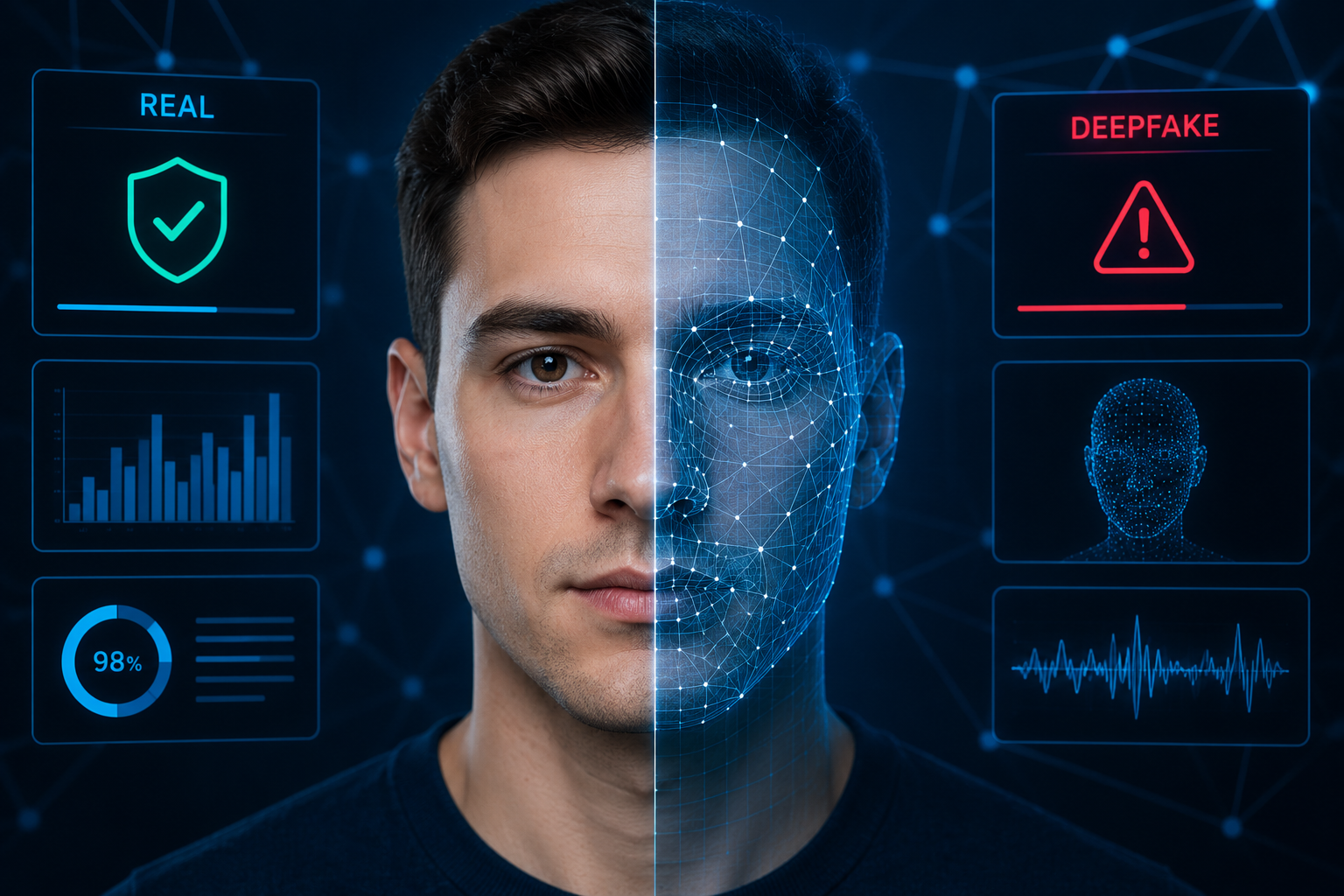
The rapid advancement of artificial intelligence has created exciting opportunities for businesses, but it has also introduced new security risks. AI-generated videos, cloned voices, and synthetic images are becoming more realistic, making it difficult for individuals and organizations to distinguish authentic content from manipulated media. As a result, many companies are partnering with a trusted deepfake detection company to protect their digital assets and maintain trust with customers.
Deepfakes are no longer limited to social media misinformation. Today, they are being used in executive impersonation scams, financial fraud, identity theft, and cyberattacks. A convincing fake video or cloned voice can cause significant reputational and financial damage if not identified in time. This growing threat has increased the demand for advanced Deepfake Detection Services that can verify the authenticity of digital content before it reaches employees, customers, or stakeholders.
One of the primary reasons organizations are adopting deepfake detection solutions is the need for stronger digital trust. Businesses rely heavily on virtual meetings, remote onboarding, online transactions, and digital communications. In these environments, verifying whether audio, video, or image content is genuine has become a critical security requirement. Advanced detection technologies help organizations identify manipulation attempts and reduce the risk of fraud.
Modern detection systems analyze multiple indicators to uncover synthetic media. They can evaluate facial expressions, voice patterns, image inconsistencies, and digital artifacts that may not be visible to the human eye. This layered approach improves detection accuracy and helps security teams respond to potential threats more effectively.
As the volume of digital content continues to grow, manual verification is no longer practical for most organizations. This challenge has led to the rise of automated deepfake detection platforms, which use artificial intelligence to analyze content at scale. These platforms can process large amounts of media in real time, helping businesses detect suspicious content faster while reducing operational workloads.
Organizations should also carefully evaluate the capabilities offered by different Deepfake identification tools. Some tools focus on video authentication, while others specialize in voice cloning detection, image verification, or identity validation. The most effective solutions often combine multiple detection methods to provide comprehensive protection against a wide range of synthetic media threats.
Another important factor when selecting a solution is adaptability. Deepfake technology is evolving rapidly, and detection methods must evolve as well. A reliable deepfake detection company continuously improves its detection models to address emerging manipulation techniques and maintain high levels of accuracy.
Beyond security benefits, deepfake detection is becoming increasingly important for compliance and risk management. Industries such as finance, healthcare, government, and telecommunications face growing pressure to verify identities and prevent fraud. Implementing robust Deepfake Detection Services can help organizations strengthen compliance efforts while enhancing customer confidence.
The future of digital communication will depend heavily on the ability to verify authenticity. Businesses that invest in advanced automated deepfake detection platforms and reliable Deepfake Detection tools today will be better prepared to defend against AI-driven threats, protect their reputation, and build lasting trust in an increasingly digital world.
Comments
Log in or sign up to join the conversation.