
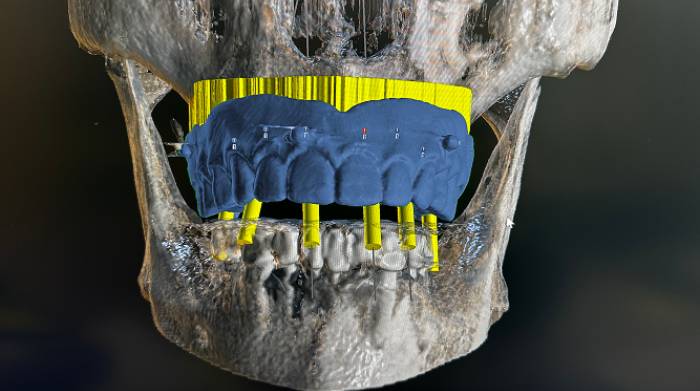
Dental implants have become one of the most reliable solutions for replacing missing teeth. They provide a natural appearance, restore chewing ability, and help maintain overall oral health. However, the success of a dental implant does not depend only on the surgical procedure. A large part of the outcome relies on careful preparation before the surgery even begins. This is where advanced implant planning plays a crucial role.
Modern dentistry uses digital technologies and detailed analysis to prepare for implant placement. Instead of relying only on visual examination or basic imaging, dentists now use precise digital tools to study the patient’s jaw structure, bone density, and surrounding tissues. This approach helps reduce complications and improve the accuracy of implant placement.
When the planning stage is done carefully, the entire treatment process becomes smoother. It allows the dentist to predict potential challenges and prepare appropriate solutions before surgery. Patients also benefit from shorter treatment times, improved comfort, and more predictable results.
In today’s dental field, proper planning is considered the foundation of successful implant treatment. Understanding how advanced planning works and why it is important can help patients make better decisions about their dental care.
Understanding Advanced Implant Planning in Modern Dentistry
Advanced implant planning refers to the detailed preparation process performed before placing a dental implant. It involves studying the patient’s oral condition, jawbone structure, and overall dental health using modern imaging and digital technologies.
Instead of placing implants based only on traditional methods, dentists now rely on precise digital tools that provide a three-dimensional view of the patient’s mouth. This detailed information allows them to determine the exact position, angle, and depth required for successful implant placement.
This process helps create a customized treatment plan tailored to each patient’s needs. Every mouth is different, and careful planning ensures that the implant fits naturally with surrounding teeth and tissues.
Another important aspect of advanced implant planning is risk reduction. By analyzing bone quality, nerve locations, and sinus areas beforehand, dentists can avoid complications and improve long-term stability. This level of preparation significantly increases the chances of a successful outcome.
Overall, advanced planning transforms implant procedures from a generalized approach into a highly precise and personalized treatment method.
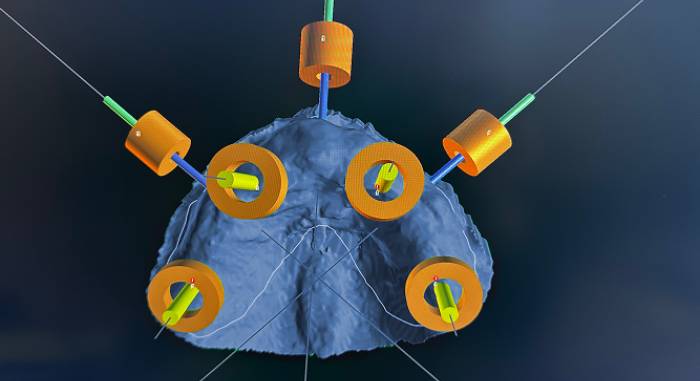
How Digital Technology Supports Implant Planning
Technology has dramatically improved the way dental implants are planned and performed. Digital tools allow dentists to collect accurate information and analyze it before beginning the procedure.
Modern imaging methods create detailed visual models of the patient’s jaw and teeth. These images help dentists understand the exact shape and density of the bone where the implant will be placed. With this information, they can determine whether the patient requires additional preparation, such as bone grafting or tissue adjustments.
Another important benefit of digital technology is simulation. Dentists can digitally place the implant within a virtual model before performing the actual surgery. This allows them to test different positions and choose the safest and most effective option.
Digital planning also improves communication between dental professionals involved in the treatment. The treatment plan can be shared and reviewed to ensure accuracy and consistency.
By combining imaging, analysis, and simulation, digital technology makes implant planning far more reliable than traditional methods.
Why Precision Matters in Dental Implant Placement
Dental implant placement requires extremely high precision. Even small variations in position or angle can affect the function, appearance, and long-term success of the implant.
Advanced planning helps ensure that implants are placed exactly where they should be. Proper positioning allows the implant to support the artificial tooth naturally and maintain correct alignment with neighboring teeth.
Precision also protects important structures within the mouth. The jaw contains nerves, blood vessels, and sinus cavities that must be carefully avoided during surgery. Detailed planning helps dentists identify these structures and maintain a safe distance from them.
Another reason precision is important is stability. An implant must integrate with the jawbone through a process called osseointegration. Correct placement improves the contact between the implant and bone, allowing stronger bonding and better support.
Without careful planning, the risk of complications increases. These complications may include implant failure, nerve irritation, or improper bite alignment. Advanced implant planning minimizes these risks and improves the overall success rate.
Steps Involved in Advanced Implant Planning
The process of advanced implant planning includes several carefully organized steps. Each stage contributes to the accuracy and effectiveness of the final treatment.
Initial Consultation and Oral Examination
The planning process begins with a comprehensive dental evaluation. The dentist examines the patient’s oral health, including the condition of gums, teeth, and surrounding tissues. Medical history and lifestyle factors are also considered because they can influence healing and implant success.
During this stage, the dentist identifies potential concerns such as gum disease or bone loss. Addressing these issues early helps create a strong foundation for implant placement.
Diagnostic Imaging and Analysis
Advanced imaging techniques are used to obtain detailed views of the jawbone and surrounding structures. These images help measure bone thickness, height, and density. With this information, dentists can determine whether the bone can support an implant or if additional procedures are needed.
Digital scans also reveal the position of nerves and sinus cavities, which helps ensure safe implant placement.
Digital Treatment Planning
After gathering all necessary information, dentists create a digital treatment plan. This stage involves selecting the correct implant size, position, and angle.
The plan may also include surgical guides that assist during the actual procedure. These guides help ensure that the implant is placed exactly according to the digital design, improving accuracy and consistency.
Together, these steps form a structured planning process that significantly increases the likelihood of successful implant treatment.
Benefits of Advanced Implant Planning for Patients
Patients gain many advantages when advanced implant planning is used before implant surgery. One of the most noticeable benefits is improved treatment accuracy.
Precise planning allows dentists to place implants in the most stable and functional position. This leads to better chewing ability, improved comfort, and a more natural appearance.
Another important benefit is reduced surgical risk. When the dentist already understands the patient’s bone structure and anatomical details, the procedure becomes safer and more predictable.
Patients may also experience shorter treatment times. Because the implant position is planned in advance, the surgery often requires less adjustment during the procedure.
Additional benefits include:
Greater long-term stability and durability of the implant
Better alignment with surrounding teeth and improved bite function
These advantages show why advanced planning is becoming a standard part of modern implant dentistry.
The Role of Bone Assessment in Implant Planning
Bone quality plays a critical role in the success of dental implants. Since implants are anchored directly into the jawbone, the bone must be strong enough to support them.
Advanced implant planning includes detailed evaluation of bone density and structure. Dentists analyze whether the available bone can provide stable support for the implant.
In some cases, patients may have experienced bone loss due to missing teeth, injury, or gum disease. When this happens, additional treatments may be recommended to strengthen the implant site.
These treatments can include bone grafting procedures that rebuild the jawbone and create a solid base for the implant. Planning helps determine whether these procedures are necessary and when they should be performed.
By assessing bone conditions before surgery, dentists can avoid unexpected complications and improve the long-term success of the implant.
How Advanced Planning Improves Long-Term Implant Success
Dental implants are designed to last for many years, but their longevity depends on careful placement and proper integration with the jawbone. Advanced implant planning helps ensure these factors are addressed from the beginning.
When implants are placed with precise planning, they align better with natural teeth and distribute chewing forces evenly. This balanced pressure reduces stress on the implant and surrounding bone.
Planning also helps preserve healthy tissues. By selecting the correct position and angle, dentists can protect nearby teeth, nerves, and gum structures.
Long-term success is also influenced by patient-specific factors such as bone condition, oral hygiene habits, and lifestyle. Advanced planning takes these factors into account when designing the treatment approach.
The result is a more predictable and durable implant restoration that supports both oral health and daily function.
Conclusion
Dental implants have transformed the way missing teeth are replaced, offering a durable and natural-looking solution. However, the success of implant treatment depends heavily on careful preparation before the surgical procedure.
Advanced implant planning provides a structured and precise approach to implant placement. By using modern imaging, digital analysis, and customized treatment plans, dentists can evaluate each patient’s unique oral structure and prepare for potential challenges.
This planning process improves surgical accuracy, reduces complications, and increases the likelihood of long-term implant stability. Patients also benefit from improved comfort, better functional results, and a more predictable treatment experience.
As dental technology continues to evolve, advanced planning will remain an essential part of successful implant procedures. Understanding its importance helps patients appreciate the careful preparation behind modern dental treatments and the role it plays in achieving reliable results.
Comments
Log in or sign up to join the conversation.