

Which Material Is Best for CNC Tool Machining?
Choosing the proper material for machining is kind of one of the most important call in current manufacturing. That material really decides the machining speed, the tool life, the kind of surface finish you end up with, the dimensional accuracy, and yes, the overall production cost too. Whether you’re making aerospace parts, automotive bits, or doing precision engineering work, it becomes necessary to pick materials that give the best compromise between machinability and durability.
A decent CNC tool can work well, but only if it is matched to the right workpiece material. If the material is not suitable, cutting resistance can go up, too much heat gets produced, and machining accuracy starts drifting. Yet when you pick materials with good machinability, productivity tends to rise, the tool life tends to last longer, and maintenance expenses usually fall down.
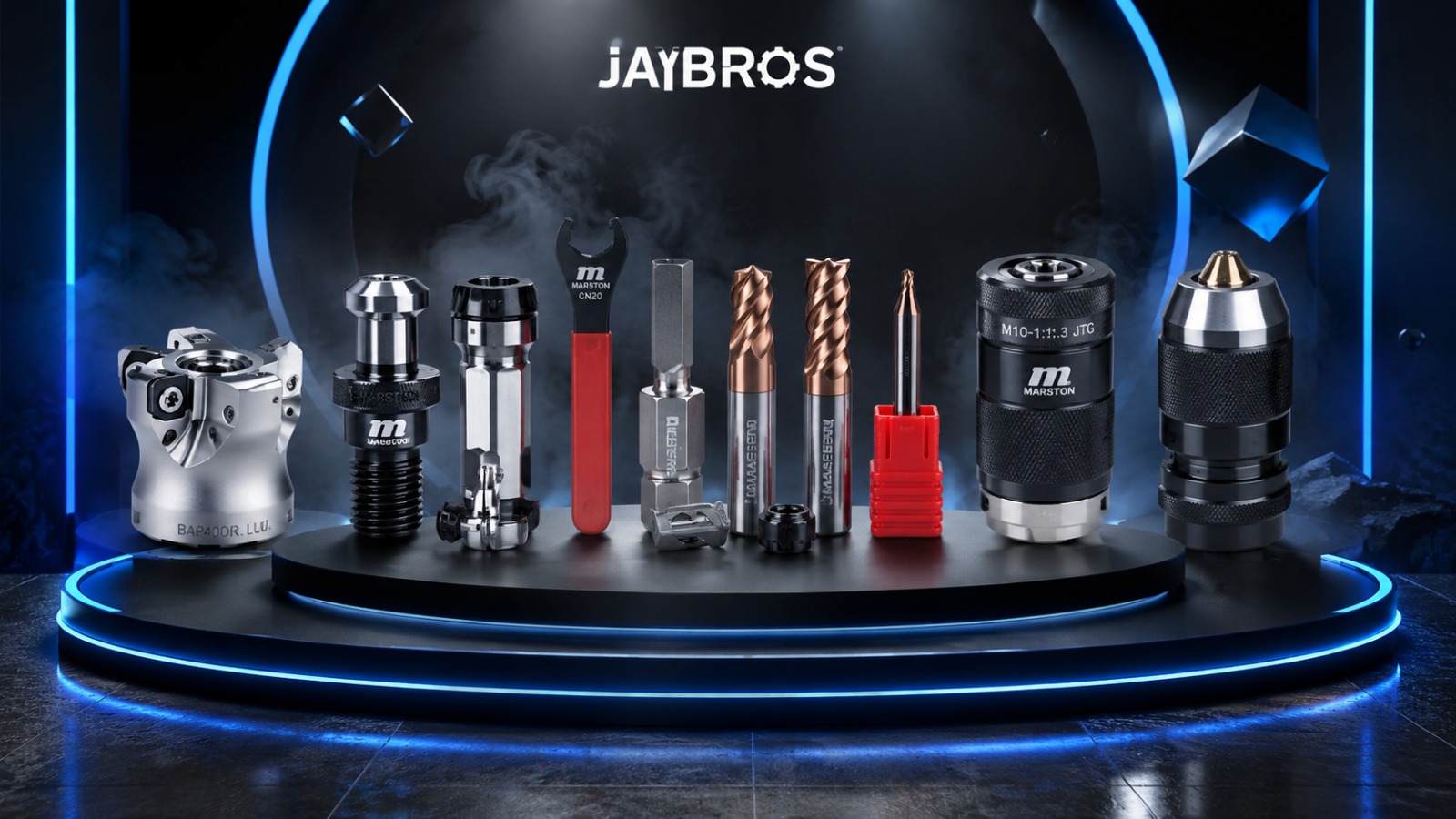
When manufacturers understand the properties of the most frequently machined materials, they can fine tune their machining steps and still keep steady quality benchmarks.
Why Material Selection Matters
Every material reacts differently during machining. Some materials are soft and easy to cut, while others are extremely hard and require specialized tooling. The correct material selection helps manufacturers achieve:
Better dimensional accuracy
Improved surface finish
Longer tool life
Reduced machine downtime
Lower production costs
Increased machining efficiency
When paired with the right CNC tool, suitable materials reduce unnecessary wear and deliver reliable machining performance.
Important Factors to Consider
Before selecting a machining material, manufacturers should evaluate several important factors.
Machinability
Materials with good machinability require less cutting force, produce smoother finishes, and reduce tool wear.
Hardness
Hard materials provide excellent durability but generally require stronger cutting tools and optimized machining parameters.
Heat Resistance
High-temperature applications demand materials capable of maintaining strength under thermal stress.
Corrosion Resistance
Industries such as aerospace, marine, and medical manufacturing often require corrosion-resistant materials for long service life.
Cost
Selecting the right material also depends on production volume and budget requirements.
Aluminum
Aluminum remains one of the most popular machining materials because of its excellent machinability and lightweight properties.
Benefits include:
Easy machining
High corrosion resistance
Excellent thermal conductivity
Lightweight construction
Smooth surface finish
Manufacturers frequently use aluminum for automotive components, electronics, aerospace parts, and industrial equipment.
Because aluminum creates less cutting resistance, it helps extend the life of every CNC tool used during machining.
Stainless Steel
Stainless steel is widely used where strength and corrosion resistance are essential. Although it is more difficult to machine than aluminum, it provides exceptional durability.
Advantages include:
High mechanical strength
Excellent corrosion resistance
Long service life
Attractive surface finish
Proper coolant application and optimized cutting speeds are important when machining stainless steel.
Carbon Steel
Carbon steel offers a good combination of strength, affordability, and machinability. Different grades are available depending on hardness and application requirements.
Common applications include:
Machine parts
Industrial equipment
Structural components
Agricultural machinery
Using the proper cutting parameters significantly improves machining performance.
Titanium
Titanium is known for its outstanding strength-to-weight ratio and corrosion resistance. It is widely used in aerospace and medical industries where lightweight yet durable materials are required.
However, titanium generates considerable heat during machining, making high-quality tooling essential.
Manufacturers often choose premium cutting solutions to improve efficiency while machining titanium with a CNC tool.
Brass
Brass is considered one of the easiest metals to machine. It produces excellent surface finishes and requires relatively low cutting forces.
Its advantages include:
High machinability
Excellent electrical conductivity
Attractive appearance
Low friction
Brass is commonly used in valves, fittings, electrical components, and decorative products.
Copper
Copper is another valuable machining material because of its exceptional electrical and thermal conductivity.
It is frequently used in:
Electrical connectors
Heat exchangers
Industrial electrical equipment
Power transmission components
Although copper is relatively soft, careful machining helps maintain dimensional accuracy.
Understanding the Types of CNC Machine
Choosing suitable materials also depends on the types of CNC machine used during production.
CNC Milling Machines
Ideal for precision cutting, slotting, drilling, and contouring complex parts.
CNC Lathes
Best suited for cylindrical components requiring turning operations.
CNC Routers
Used for machining plastics, wood, aluminum, and composite materials.
CNC Plasma Machines
Designed for cutting electrically conductive metals rapidly and accurately.
CNC EDM Machines
Perfect for manufacturing complex shapes and precision components with tight tolerances.
Each machine requires different tooling strategies to maximize productivity.
Carbide Tools for Better Performance
Modern manufacturing increasingly depends on carbide drill solutions because carbide offers excellent hardness, wear resistance, and heat tolerance.
Benefits of carbide drill products include:
Longer operational life
Higher cutting speeds
Improved dimensional accuracy
Better wear resistance
Reduced maintenance costs
Although carbide tools cost more initially, they often provide greater long-term savings by reducing replacement frequency.
Precision Measurement Improves Quality
Accurate measurement is essential throughout the machining process. Even small dimensional errors can result in rejected parts and increased production costs.
A digital caliper vernier remains one of the most widely used measuring instruments because it accurately measures:
Internal dimensions
External dimensions
Depth
Diameter
Step measurements
Using a digital caliper vernier during setup and inspection helps manufacturers maintain strict quality standards while reducing costly errors.
Thread Milling for Precision Machining
Creating accurate threads is essential in many manufacturing applications. A thread mill is a versatile cutting tool that produces both internal and external threads with exceptional precision. Compared to conventional tapping methods, thread milling offers better chip evacuation, reduced tool breakage, and improved flexibility.
Advantages of using a thread mill include:
Longer tool life
Superior thread accuracy
Reduced cutting forces
Ability to machine multiple thread sizes
Better surface finish
For industries requiring precision components, thread milling is often the preferred choice.
Selecting the Best CNC Tools
The quality of machining depends greatly on the cutting tools used during production. Investing in the best CNC tools helps manufacturers improve machining accuracy while lowering operating costs.
When selecting cutting tools, consider the following factors:
Material compatibility
Tool coating
Cutting speed
Wear resistance
Heat resistance
Tool geometry
Premium-quality tools generally provide longer service life, reducing replacement frequency and increasing productivity.
Finding Reliable Tool Suppliers
Choosing a trusted supplier is just as important as selecting the right cutting tool. Reliable suppliers provide quality products, technical assistance, and consistent availability.
Many manufacturers search for CNC tools near me to find local distributors who can offer quick delivery and immediate support.
However, digital purchasing has become increasingly popular. Buying CNC tools online allows businesses to compare specifications, pricing, product reviews, and availability from multiple suppliers before making a purchase.
Whether purchasing locally or online, selecting trusted suppliers helps ensure consistent machining performance.
Material Comparison for CNC Machining
Each machining material has unique strengths depending on the application.
Material | Advantages | Common Applications |
Aluminum | Lightweight, excellent machinability | Aerospace, electronics |
Stainless Steel | High strength and corrosion resistance | Medical, food processing |
Carbon Steel | Strong and economical | Industrial machinery |
Titanium | Excellent strength-to-weight ratio | Aerospace, medical |
Brass | Easy machining and smooth finish | Valves, fittings |
Copper | Superior electrical conductivity | Electrical components |
Selecting the right material depends on production requirements, machining conditions, and desired product performance.
Tips to Extend Tool Life
Even premium cutting tools require proper care to achieve maximum performance.
Manufacturers can extend tool life by:
Using recommended cutting speeds
Applying proper coolant
Monitoring tool wear
Performing preventive maintenance
Storing tools correctly
Replacing worn inserts before failure
These practices improve machining quality while reducing production costs.
Future Trends in Machining Materials
Manufacturing technology continues to evolve as industries demand greater precision and efficiency. Advanced materials and cutting technologies are helping manufacturers improve machining performance while lowering operating costs.
Some emerging trends include:
Nano-coated cutting tools
Smart tool monitoring systems
Advanced carbide grades
Hybrid composite materials
AI-based machining optimization
Sustainable manufacturing practices
These innovations are expected to improve productivity while increasing the lifespan of cutting tools.
Conclusion
Choosing the right material for machining really matters if you want precision, solid durability and a production run that doesn’t eat up the budget too fast. Aluminum, stainless steel, titanium, brass, copper, and carbon steel all bring their own advantages, depending on what you’re making and how it’s actually used. When teams pay attention to material properties, they can tune machining performance, cut down tool wear, and boost overall efficiency in production.
Just as much, picking good cutting tools and reliable precision measuring gear is key. Things like carbide drills, thread milling solutions, and other shop accessories, they all affect how repeatable the final parts come out. If a company invests in top-tier tooling and works with dependable suppliers, it usually ends up squeezing more productivity out of every cycle, while still keeping product quality at a high level.
For businesses looking for dependable industrial tooling solutions, Jaibros offers a wide range of precision cutting tools, measuring instruments, carbide products, and machining accessories designed to meet the demands of modern manufacturing. With a commitment to quality, innovation, and customer satisfaction, Jaibros continues to support industries with reliable solutions that improve efficiency, accuracy, and long-term performance.
Comments
Log in or sign up to join the conversation.