
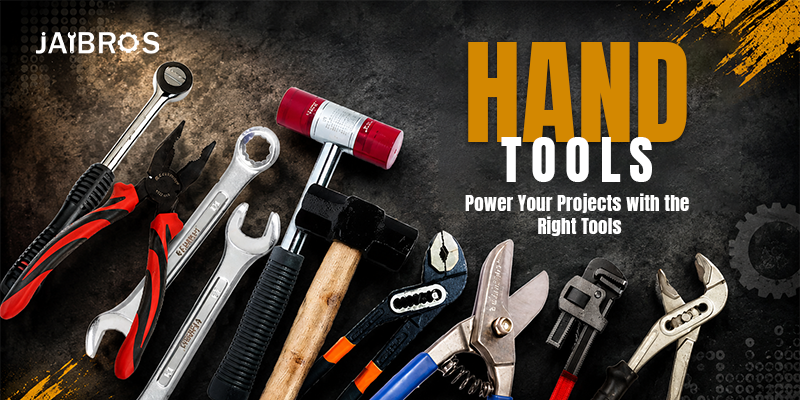
Which Hand Tool Material Offers Better Durability?
The choice of material plays an essential role when selecting the right tools due to its immediate influence on durability, efficiency, safety, and price. DIY people as well as professionals who need quality tools in order to be effective at their jobs will definitely find the selection of quality tools useful for their purposes since such tools can help one to save money and time. For instance, professionals dealing with heavy-duty tasks who use industrial hand tools know that the selection of material is what makes one tool work under tough conditions.
Each material has its own benefits and disadvantages. Certain materials can be used in heavy duty applications; other ones are more suitable for lighter jobs such as household repairs. In case you want to create your own reliable hand tool kit, it is important to know some information regarding certain materials that can help you choose the proper one.
Why Tool Material Matters
The longevity of a hand tool relies mainly on the material that is utilized in the production process. Materials that are durable will resist wear and tear, corrosion, bending, and even breaking. This will ensure that the hand tool works efficiently for many years.
Some key benefits of durable materials include:
Longer service life
Better resistance to rust and corrosion
Improved strength under pressure
Lower maintenance requirements
Greater safety during demanding tasks
Although premium materials may cost more initially, they usually provide better long-term value than cheaper alternatives.
Common Materials Used in Tools
Manufacturers use different metals depending on the intended purpose of the product. Each material has unique characteristics that make it suitable for specific jobs.
1. Carbon Steel
Carbon steel is one of the most commonly used materials because of its excellent hardness and strength. It is widely preferred for tools that experience repeated impact or cutting applications.
Advantages
High strength
Excellent wear resistance
Affordable pricing
Easy to sharpen
Limitations
Can rust without proper care
Requires occasional oiling
With proper maintenance, carbon steel tools can last for many years.
2. Chrome Vanadium Steel
Chrome vanadium steel is considered one of the best materials for professional applications. The addition of chromium and vanadium significantly improves toughness and corrosion resistance.
Benefits
Outstanding durability
High impact resistance
Better protection against rust
Longer working life
This material is commonly used in premium socket sets, spanners, and screwdrivers because it withstands continuous heavy use.
3. Stainless Steel
Stainless steel performs exceptionally well in humid or wet environments where rust resistance is essential.
Advantages
Excellent corrosion resistance
Attractive appearance
Easy maintenance
Long-lasting finish
Although stainless steel offers excellent protection against moisture, it may not always match the hardness of carbon steel for heavy-duty work.
4. Alloy Steel
Alloy steel combines different metals to improve overall performance. Manufacturers often use it for demanding industrial applications where strength and durability are critical.
Benefits include:
Excellent toughness
High resistance to wear
Better flexibility
Improved lifespan
Forged Steel vs Cast Steel
Apart from material selection, manufacturing methods also influence durability.
Forged Steel
Forged tools are manufactured by shaping heated metal under extremely high pressure. This process creates a stronger internal grain structure.
Advantages include:
Higher strength
Better impact resistance
Reduced chances of cracking
Longer service life
Professionals generally prefer forged products because they withstand demanding workloads more effectively.
Cast Steel
Cast steel is produced by pouring molten metal into molds. While this method reduces manufacturing costs, cast products are generally less durable than forged versions.
They are suitable for:
Light household work
Occasional repairs
Budget-friendly purchases
Which Material Offers the Best Durability?
There is not one single material that suits every purpose perfectly. It all depends on how often the tool is being used and the working environment.
In the case of heavy duty use, chrome vanadium and forged alloy steel tend to be the most durable because of their ability to resist impact, wear, and corrosion. In terms of cutting tools, carbon steel still stands out because of its hardness. When dealing with wet environments, stainless steel tends to be the most appropriate.
When comparing products through hand tool online platforms, buyers should always review the material specifications rather than focusing only on price.
Factors to Consider Before Buying
Before investing in tools, keep these factors in mind:
Frequency of use
Working environment
Corrosion resistance
Strength requirements
Ease of maintenance
Manufacturer reputation
Warranty support
A well-planned hand tool kit should contain products made from materials that suit both current and future projects.
Proper Maintenance Improves Durability
Even premium materials require regular maintenance to maximize their lifespan.
Follow these simple practices:
Clean tools after every use.
Remove dirt and moisture immediately.
Apply light machine oil to prevent rust.
Store equipment in a dry toolbox.
Inspect handles and moving parts regularly.
Replace damaged components before they fail.
Proper care allows both manual equipment and Power tool accessories to perform reliably for years.
Choosing Between Manual and Powered Equipment
Many users wonder whether manual equipment or powered equipment lasts longer. The answer depends on usage and maintenance.
A quality hand tool has fewer moving parts, making it easier to maintain and less likely to fail mechanically. On the other hand, a Power tool offers greater speed and productivity but requires proper servicing, battery care, and occasional replacement of internal components.
For most workshops, using both types together provides the best balance between precision and efficiency.
A Simple Buying Approach
For those looking to buy tools for their home improvement projects, begin by acquiring items that can help in basic repairs. It is also advisable for beginners to consult a good hand tool book prior to choosing their materials and brands. Instead of buying many sets all at once, acquire tools that you use often.
Always put quality first. Investing in good products now will save money later down the line because you won’t have to replace them frequently.
Conclusion
The material of a tool is directly related to its durability, safety, and effectiveness. Carbon steel is very hard, chrome vanadium is extremely strong, stainless steel resists rust very well, and alloy steel is great for tough conditions. The choice of material depends on the amount of work, maintenance, and budget instead of simply buying the cheapest one.
It does not matter if you buy your first set of tools or want to improve some of them, because quality materials always pay off in the long run. The trusted manufacturers such as Jaibros have many options for everyone to make the best decision.
FAQs
1. Which material is the most durable for tools?
Chrome vanadium steel is widely considered one of the most durable materials for professional use.
2. Does stainless steel rust?
It is highly resistant to rust but still benefits from proper maintenance.
3. Are forged tools better than cast tools?
Yes, forged tools are generally stronger and last longer.
4. Are DIY hand tools suitable for professional work?
Some DIY hand tools are suitable for light professional tasks, but heavy industrial applications require higher-grade materials.
5. How can I increase tool life?
Clean, dry, lubricate, and store tools properly after every use.
Comments
Log in or sign up to join the conversation.