

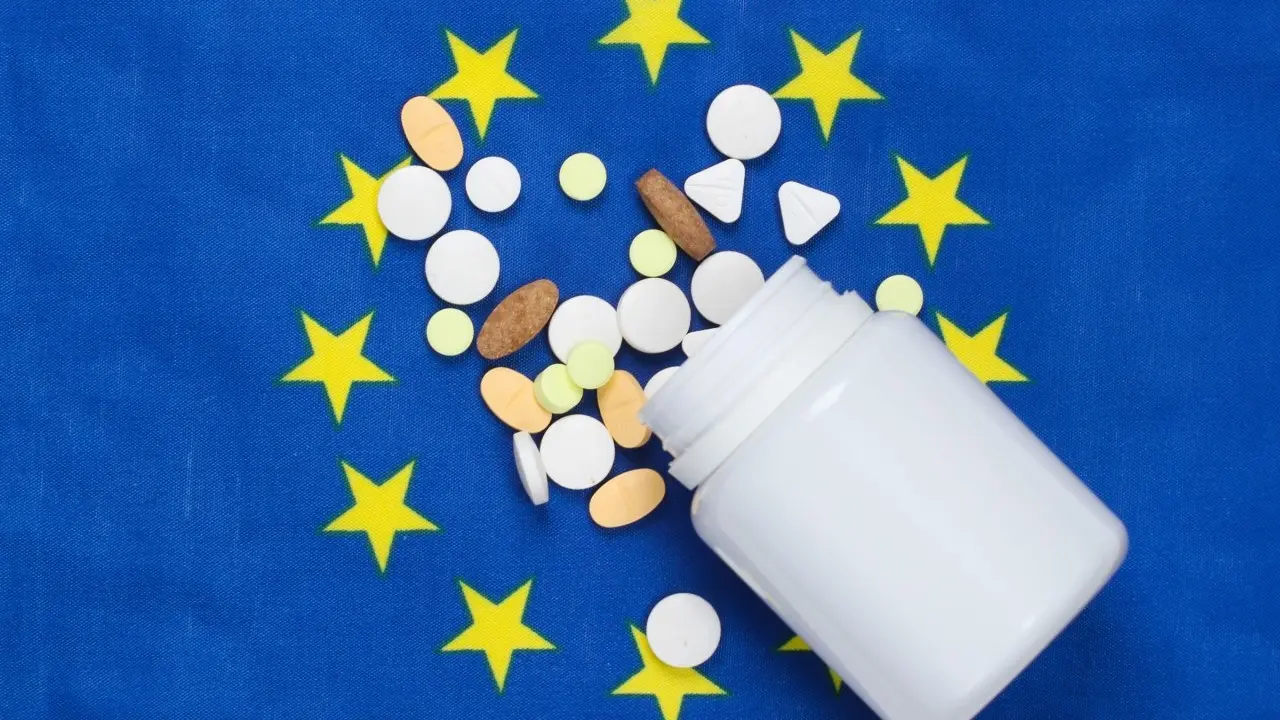
With yet another announcement on pharmaceutical tariffs last week, Diederik Stadig takes stock of where we stand on pharmaceutical tariffs
1. The tariff picture is becoming clearer, but some uncertainty still remains
The market feared blanket pharmaceutical tariffs of 100-250%. Instead, the Trump administration has introduced a layered regime combining Section 232 pharmaceutical tariffs with Section 301 trade actions. Products already covered by Section 232 are exempt from the newly announced Section 301 forced-labour tariffs, preventing double counting. Switzerland, Japan and South Korea have secured particularly favourable treatment under the latest Section 301 action through a net-of-MFN approach that caps total duties at 12.5% for covered products. However, uncertainty remains. The separate Section 301 investigation into structural excess capacity is still ongoing and could result in additional measures later this year.
2. Branded pharmaceutical companies will continue to invest in America at the expense of Europe
The US accounts for more than 50% of branded pharma revenues, and often over 60% of profits. This profitability in the US is why tariffs, Most Favoured Nation pricing agreements and company-specific exemptions have all created incentives for manufacturers to expand production and R&D activities on American soil. Swiss and European pharmaceutical companies have already announced substantial US investment programmes, and we expect this trend to continue.
3. Reshoring of generic drug production will not happen
Our core view remains unchanged: global generic manufacturing is concentrated in countries such as India and China for structural reasons: scale, labour costs, supplier ecosystems and established API manufacturing networks. Even if tariffs on generic medicines eventually materialise, as the current proposal lacks specifics, relocating large parts of the generic supply chain to the US would be extremely expensive and would take years.
The economic reality remains that the US depends heavily on imported generics and APIs. High tariffs would primarily increase prices and shortages rather than create a competitive domestic manufacturing base.
4. Europe needs a pharmaceutical competitiveness strategy
As mentioned, the pharmaceutical sector is increasingly being pulled towards the United States. Tariffs are only one factor. Faster approvals, a larger domestic market, higher pricing power, generous industrial incentives and the growing use of trade policy are all contributing to a shift in investment.
At the same time, fiscal constraints, pricing pressure and regulatory complexity continue to weigh on Europe's attractiveness. The consequence is that Europe risks losing not only manufacturing investment but also R&D capacity, pilot plants, scale-up activities and highly skilled employment.
Therefore, policymakers should focus on improving the business case for investing in Europe. On a pan-European level, this includes building on the pharmaceutical package by accelerating regulatory approval timelines, creating larger and more harmonised capital markets and simplifying clinical-trial procedures. But, most importantly, this requires national policymakers to contribute.
The emergence of China as an innovation powerhouse adds urgency to this challenge. European pharmaceutical companies are increasingly caught between a US market that attracts capital and a Chinese market that is becoming a source of innovation, licensing opportunities and biotechnology assets.
The biggest story is not tariffs themselves
The latest tariff announcements suggest that the most extreme outcomes are becoming less likely. The UK, Switzerland, the EU and several other trading partners have secured more favourable treatment than originally feared, while branded pharmaceutical companies continue to receive pathways that reduce tariff exposure through US investment commitments. But the bigger story is no longer tariffs themselves.
Trump's pharmaceutical tariffs are accelerating a structural shift already underway: pharma is now an important sector for US national security. This means that the US will continue to pull in investment, manufacturing and innovation as the world's most profitable pharmaceutical market. While the United States gains, Europe faces the risk of gradual industrial erosion unless it develops a more competitive pharmaceutical ecosystem of its own.
Comments
Log in or sign up to join the conversation.