

Real estate has always attracted capital looking for stability, income, and long-term growth. What's changed in 2026 is how that capital gets deployed. Institutional players are still building large-scale projects, but individual investors now have direct access to tools that used to be reserved for professionals, from fractional ownership to AI-driven deal analysis. Here's how four platforms fit into that picture.
Kartago Capital
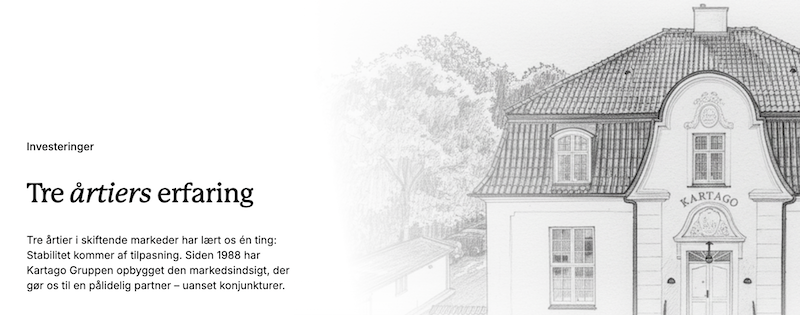
At the institutional end, Kartago Capital has spent over three decades investing in and developing real estate across Denmark, Sweden, and Germany. The firm has completed more than 150 projects worth over €1.2 billion, spanning commercial buildings, residential developments, and social infrastructure, all built around a long-term, sustainability-focused strategy. It's a useful benchmark for how patient capital moves through European real estate markets.
Lofty
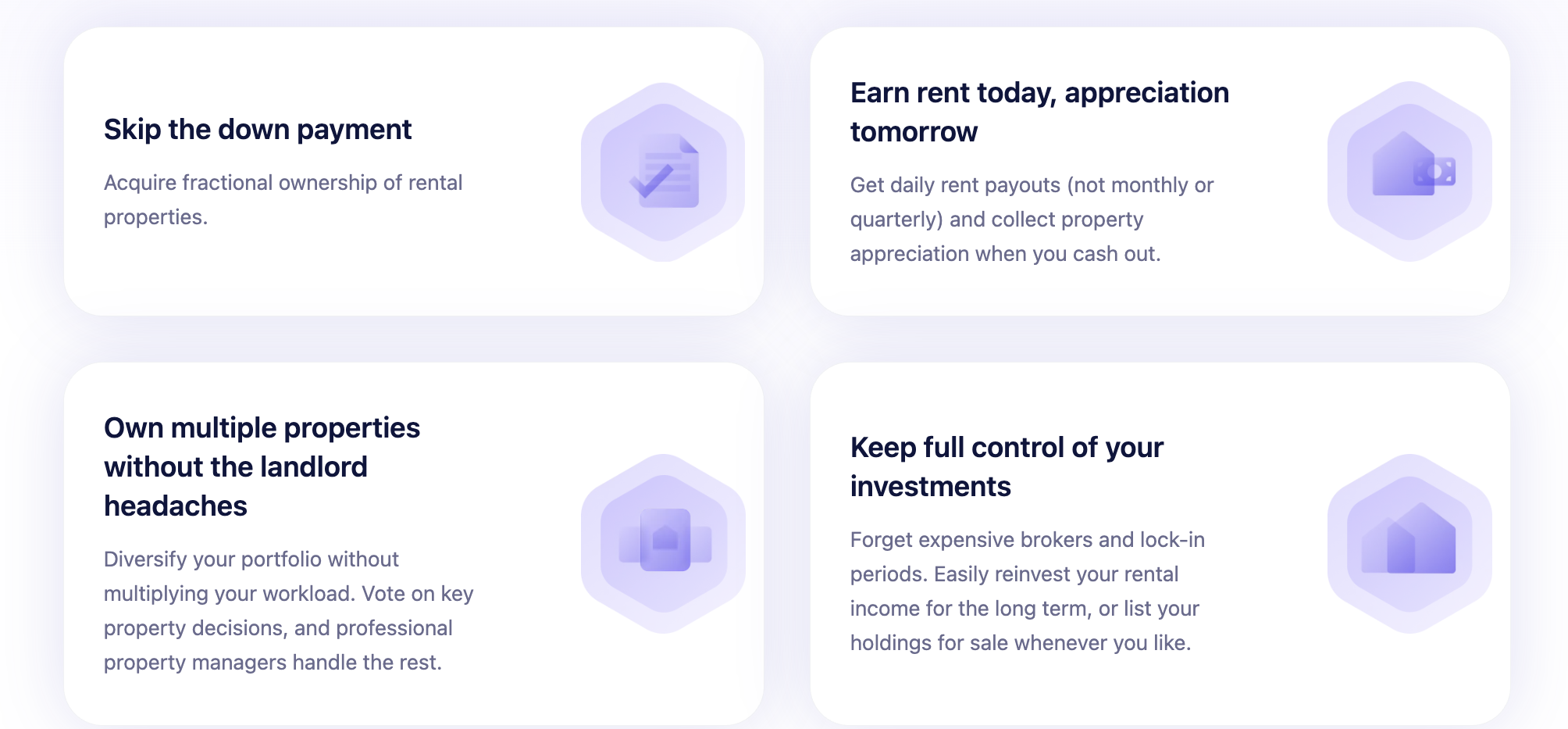
Moving down to the individual investor level, Lofty has made real estate ownership as liquid as trading a stock. Using blockchain-based tokenization, investors can buy fractional shares of U.S. rental properties starting around $50, earn daily rental income, and resell their shares on Lofty's secondary marketplace whenever they choose. For a market that's typically illiquid, that flexibility is a notable shift.
FindCostSeg
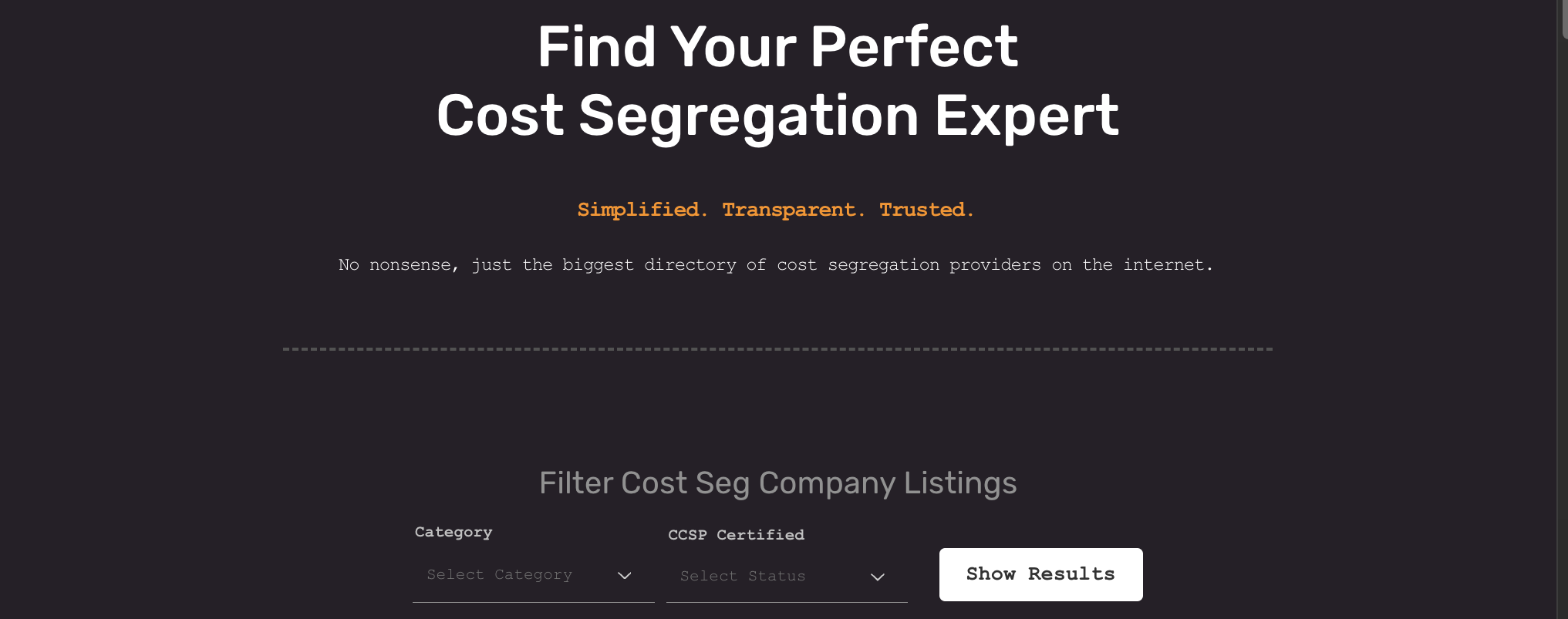
Once capital is deployed into property, the next question is how to hold onto more of the returns, and that's where tax strategy comes in. FindCostSeg is a directory connecting property owners with vetted cost segregation firms, making it easier to identify which providers can help accelerate depreciation and improve after-tax cash flow. It's a practical piece of the puzzle that's often overlooked until tax season.
Operator by Galleon
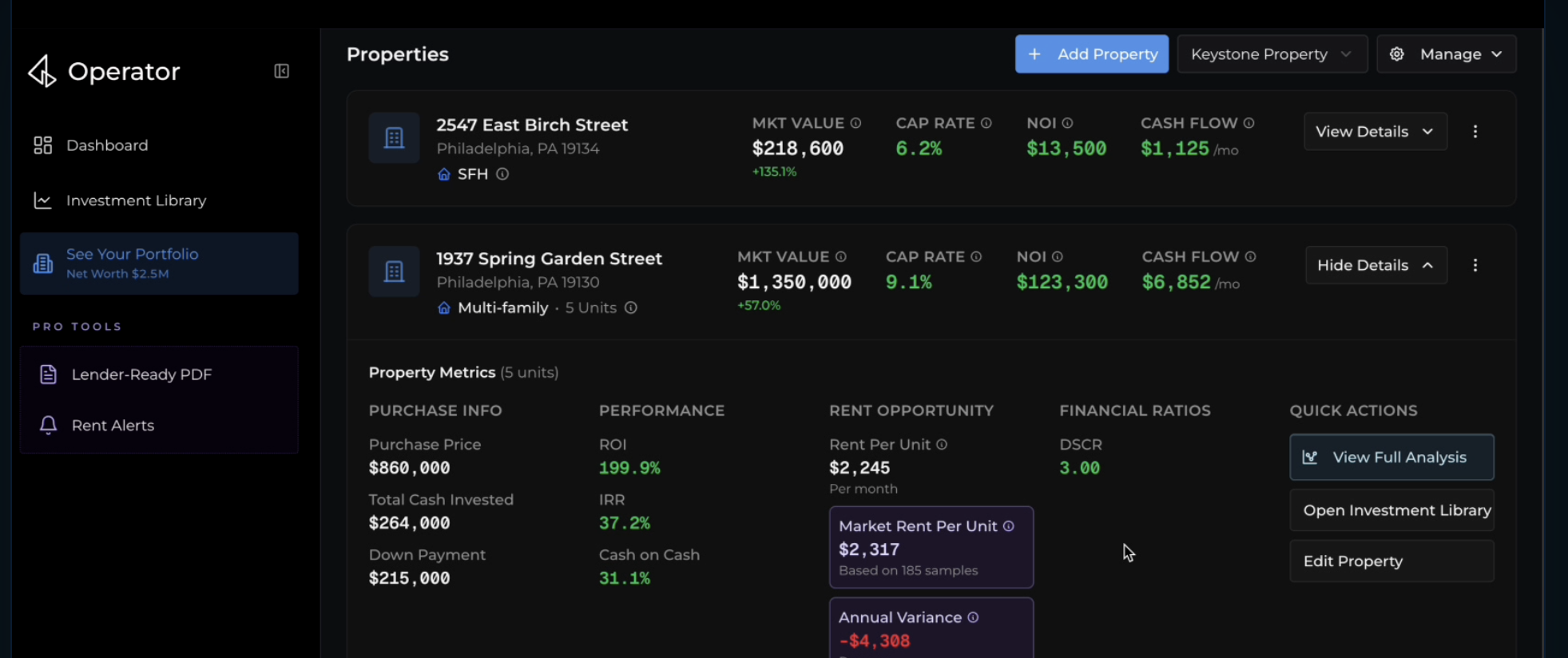
Finally, once investors are holding multiple properties, tracking performance becomes its own challenge. Operator by Galleon gives investors managing one to fifty units a live view of rents, valuations, and portfolio-level cash flow, along with lender-ready reports generated in minutes rather than hours spent on spreadsheets. It's a sign of how much of the analytical work in real estate investing is now automated.
From large-scale European development to individual fractional shares, the throughline for 2026 is the same: capital is moving faster and with more transparency than it used to, and the tools tracking it are becoming just as important as the properties themselves.
#RealEstateInvesting #CapitalMarkets #PropTech #FractionalOwnership #CostSegregation #RealEstate2026 #InstitutionalInvesting #WealthManagement
Comments
Log in or sign up to join the conversation.