
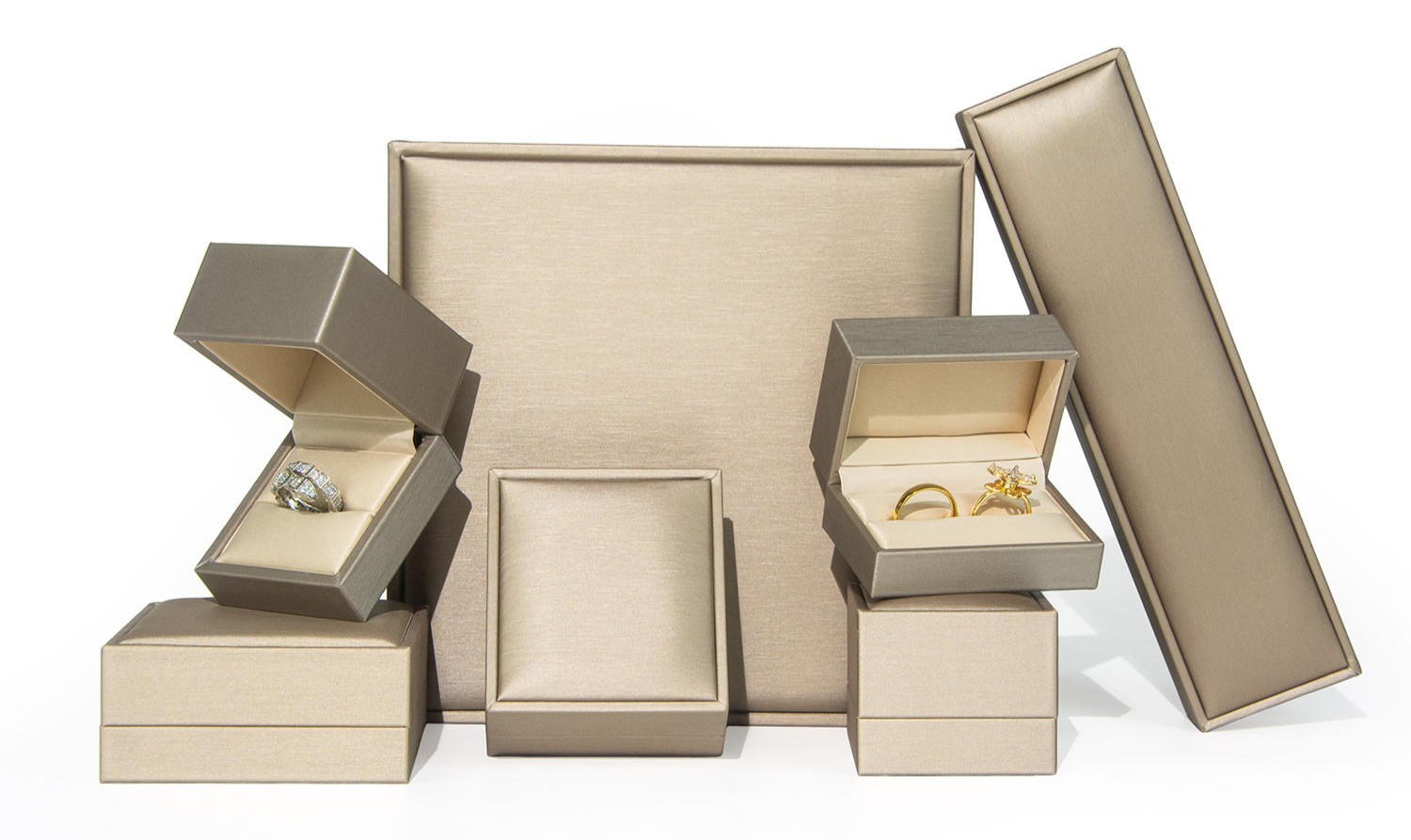
There's a particular kind of dread that settles in when you realize your packaging supplier isn't working out anymore. Maybe deliveries keep slipping. Maybe the quality has dipped, slowly enough that you almost didn't notice until a customer sent you a photo of a split corner. Maybe they've stopped returning your emails with the same urgency they had when you were a new client.
The relationship has run its course. You know it. But the thought of starting over with someone new—the samples, the negotiations, the waiting—feels exhausting. So you stay put. You lower your standards a little. You accept the late shipments and the inconsistent stitching because the alternative feels like chaos.
Here's the thing. Switching suppliers doesn't have to be a nightmare. It's a process, and like any process, it gets easier when you know the steps. This article walks through how to identify when it's genuinely time to move on, how to find a better fit, and how to transition without leaving your customers in the lurch.
The Slow Fade: Signs Your Current Supplier Is Coasting
Most supplier relationships don't end with a dramatic blowup. They fade. The decline is gradual enough that you can rationalize each individual incident. One late shipment? Holiday rush, it happens. A batch with loose threads? Probably a one-off. A price increase without a heads-up? Market conditions, everyone's raising prices.
But look at the pattern across six months or a year. Not the incidents, but the trend line. Are problems becoming more frequent, not less? Are the excuses starting to sound recycled? Is your contact person suddenly "no longer with the company" and your new rep doesn't seem to know your specifications?
Pay attention to how problems get handled, not just whether they happen. Every manufacturer makes mistakes. The difference between a partner and a vendor is what happens next. A partner owns the mistake, fixes it fast, and puts a system in place to prevent it from recurring. A vendor apologizes, maybe offers a small discount on your next order, and then makes the same mistake again three months later.
If you're doing more quality control on arrival than the factory did before departure, you're already paying twice for inspection. That's not sustainable.
What a Better Fit Actually Looks Like
Now, this is where most people go wrong. They assume switching suppliers means finding someone cheaper. But price is rarely the root cause of a failed relationship. Communication gaps, quality drift, and misaligned expectations cause far more damage than a few dollars per unit.
Before you start searching, get clear on what you actually need. Not what you needed when you started your brand five years ago. What you need now. Maybe you've grown enough that your old supplier's production capacity is stretched thin, and you need a leather jewelry box manufacturer with deeper resources. Maybe your designs have gotten more complex and your current factory can only handle simple constructions. Maybe sustainability has become a core brand value and you need a partner who can document their supply chain instead of shrugging when you ask about tannery certifications.
Write down three non-negotiables. Not ten, because you'll never find a supplier who checks every box perfectly. Three. Things like "responds to emails within 24 hours," "provides material certification documentation," or "has experience with magnetic closure boxes." These become your filter. If a prospective supplier can't meet those three, don't waste time on samples. Move on.
The Overlap Strategy That Prevents Stockouts
Here's the biggest mistake brands make when switching suppliers. They wait until their current inventory is nearly gone, then place a rush order with the new manufacturer. Rush orders cost more. Rush orders get sloppy. And if anything goes wrong, you're out of stock with customers placing orders and nothing to ship them in.
The smart move is to overlap. Place your first production order with the new supplier while you still have enough inventory from the old supplier to cover at least two months of sales. Yes, this ties up more cash temporarily. But it buys you time if the new production run hits a delay. It also gives you the freedom to do a proper quality inspection on the new shipment without pressure. If something's wrong, you've got buffer stock to fall back on.
This overlap period is also your chance to do a side-by-side comparison. Put the old supplier's box next to the new supplier's box on your desk. Look at them with fresh eyes. Which one would you be prouder to ship? Which one feels more like your brand today, not your brand from three years ago? Sometimes you don't realize how far a relationship has drifted until you see the alternative sitting right next to it.
Switching Stage | Common Mistake | Better Approach |
Timing the decision | Waiting until a crisis forces the move | Tracking quality and communication trends, deciding proactively |
Defining requirements | Looking for the cheapest alternative | Identifying three non-negotiables based on current brand needs |
Vetting new suppliers | Rushing to samples without deep questioning | Asking tolerance, capacity, and material sourcing questions first |
Placing the first order | Ordering at the last minute with a rush fee | Overlapping inventory to create a safety buffer |
Managing the transition | Ghosting the old supplier | Closing the relationship professionally, keeping the door open |
How to Leave Without Burning the Bridge
You might be frustrated with your current supplier. You might have a list of grievances longer than your last production delay. But the jewelry packaging industry is small, and people talk. The way you exit a supplier relationship matters.
Give notice. Don't just stop placing orders and hope they figure it out. Send a brief, professional email explaining that your brand's needs have evolved and you've decided to move in a different direction. You don't need to list every grievance. You're not trying to fix them anymore, you're just closing the chapter cleanly.
Ask for any outstanding custom tooling, molds, or dies to be returned or confirmed destroyed. Get that confirmation in writing. You paid for those, and you'll need them or their equivalents with your new partner.
Then, and this part gets overlooked constantly, document everything about your old packaging that a new supplier will need to know. Dimensions. Materials. Interior configurations. Past production issues and how they were resolved. The more institutional knowledge you can hand over, the faster your new partner gets up to speed.
If you're making the switch to a dedicated custom leather jewelry box supplier with experience handling transitions from other manufacturers, they'll have a process for this. They'll know what questions to ask and what information they need. A smooth handoff is a sign you've chosen well. A bumpy one tells you that you might be repeating the same pattern with a different name.
Frequently Asked Questions
How long does a typical supplier transition take?
Plan for three to four months from initial contact to receiving your first production order. Sampling alone takes four to six weeks with revisions. Rushing this timeline almost always leads to mistakes that cost more time later.
Should I tell my new supplier about problems with my old one?
Yes, but frame it constructively. "We've had issues with adhesive failing in humid conditions" is useful information. "Our last supplier was terrible" is not. The goal is to help your new partner avoid the same pitfalls, not to vent.
What happens to my custom tooling when I switch?
Custom molds, dies, and embossing plates are typically owned by you, the buyer, even if the manufacturer stores them. Request their return or written confirmation of destruction. Some suppliers charge a storage fee if they're holding tooling indefinitely.
Can I use the same packaging design with a new supplier?
Yes, you own the design unless you signed an agreement stating otherwise. However, a new manufacturer may need to create new tooling to match the specifications, which carries setup costs. The design itself transfers; the physical tooling usually doesn't.
How do I explain a packaging change to repeat customers?
You probably don't need to, unless it's a dramatic upgrade. If the new packaging is noticeably better, a brief note in your next email newsletter or a line on the product page works. Most customers won't notice the transition if the quality is consistent or improved.
Switching suppliers feels daunting because it's unfamiliar, not because it's inherently difficult. The brands that handle it well are the ones that treat it as a structured process rather than an emotional reaction. Know why you're leaving, know what you need instead, build in a safety buffer, and exit with professionalism. The right partner on the other side of that transition makes you wonder why you didn't switch sooner.
Comments
Log in or sign up to join the conversation.