
Embarking on the path to motherhood is a transformative milestone that reshapes a woman's relationship with her body. Long before the first ultrasound or the assembly of a nursery, the groundwork for a healthy pregnancy begins at the cellular level. Navigating the sheer volume of advice regarding pregnancy wellness can easily leave expectant and aspiring mothers feeling overwhelmed. Knowing precisely when to introduce specific nutrients, how much to take, and how to align these choices with medical guidance is essential. A well-timed, intentional approach to prenatal care moves a woman from a position of guesswork to one of empowerment, providing a reliable roadmap for the incredible journey ahead.
The Ideal Preconception Window for Prenatal Initiation
A very common misconception is that prenatal vitamins should only be introduced after a pregnancy is officially confirmed. In reality, the most impactful time to start a premium prenatal regimen is roughly three to six months before trying to conceive. This preconception window is critical because a baby’s neural tube—which eventually becomes the brain and spinal cord—develops and closes within the first twenty-eight days of pregnancy, often before a woman even realizes she is expecting. By building up nutrient reserves early, women ensure that their bodies have a readily available surplus of vital vitamins and minerals the exact moment fertilization occurs.

Bioavailable Folate and the Truth About Dosage
When examining prenatal labels, the presence of folate is non-negotiable, but the specific form and dosage matter immensely. Medical professionals globally recommend a daily intake of at least 400 to 800 micrograms of folate for women of childbearing age. Pink Stork prenatal vitamins prioritize optimal absorption by utilizing L-methylfolate, a bioactive form that the body can immediately use without needing complex chemical conversions. This is particularly crucial for women with specific genetic variations that hinder the processing of synthetic folic acid. Choosing a bioavailable formula ensures that the critical threshold for neurological protection is met consistently and efficiently.
Navigating First Trimester Sensitivities and Morning Sickness
The first trimester brings a massive surge in pregnancy hormones, which frequently manifests as morning sickness, nausea, and intense food aversions. During this challenging phase, swallowing a bulky, foul-smelling capsule can become nearly impossible, leading to missed doses and nutritional gaps. Managing this requires a gentle, thoughtful formulation that respects a sensitive digestive system. Integrating natural stomach-soothers like organic ginger, vitamin B6, and peppermint directly into the vitamin routine helps settle the stomach. This human-centered design ensures that mothers can maintain their daily nutritional intake without exacerbating their physical discomfort.
Adapting Dosage Through the Second and Third Trimesters
As a pregnancy progresses into the second and third trimesters, the physiological demands on the mother's body shift dramatically. The baby enters a stage of rapid skeletal and tissue growth, while the mother's blood volume expands by nearly fifty percent. This transition necessitates an increased focus on iron to prevent maternal fatigue and support fetal oxygenation, alongside a synergistic blend of calcium and vitamin D for bone structure. Rather than complicating a routine with dozens of separate pills, utilizing a comprehensive, layered prenatal system ensures that these evolving macro and micro-nutrient requirements are covered smoothly as the due date approaches.
Consulting Your Healthcare Provider for Customized Care
While premium over-the-counter supplements offer an exceptional foundation for reproductive wellness, they should always be viewed as a partnership with professional medical advice. Every woman’s biochemical makeup, medical history, and dietary lifestyle are entirely unique, meaning that a one-size-fits-all approach rarely suffices. Discussing your supplement regimen with your OB-GYN or midwife allows for tailored adjustments based on routine blood work. Your provider can help monitor iron levels, check vitamin D status, and ensure that your prenatal choices perfectly complement your specific health profile throughout your entire pregnancy.
A Compassionate Partner in Your Wellness Journey
True maternal care extends beyond clinical numbers and strict dosages; it requires a brand that steps in as an advocate and a trusted wellness wing-woman. Pink Stork grounds its entire mission in providing real solutions for real life, showing up for women when they feel overwhelmed, unseen, or unsure. Creating products that align with the body's natural rhythms allows women to approach their health with quiet confidence. This supportive relationship ensures that every mother feels heard and validated, providing a judgment-free safe space filled with encouragement and clinically-backed tools.
Addressing Hormone Harmony with Progesterone Support
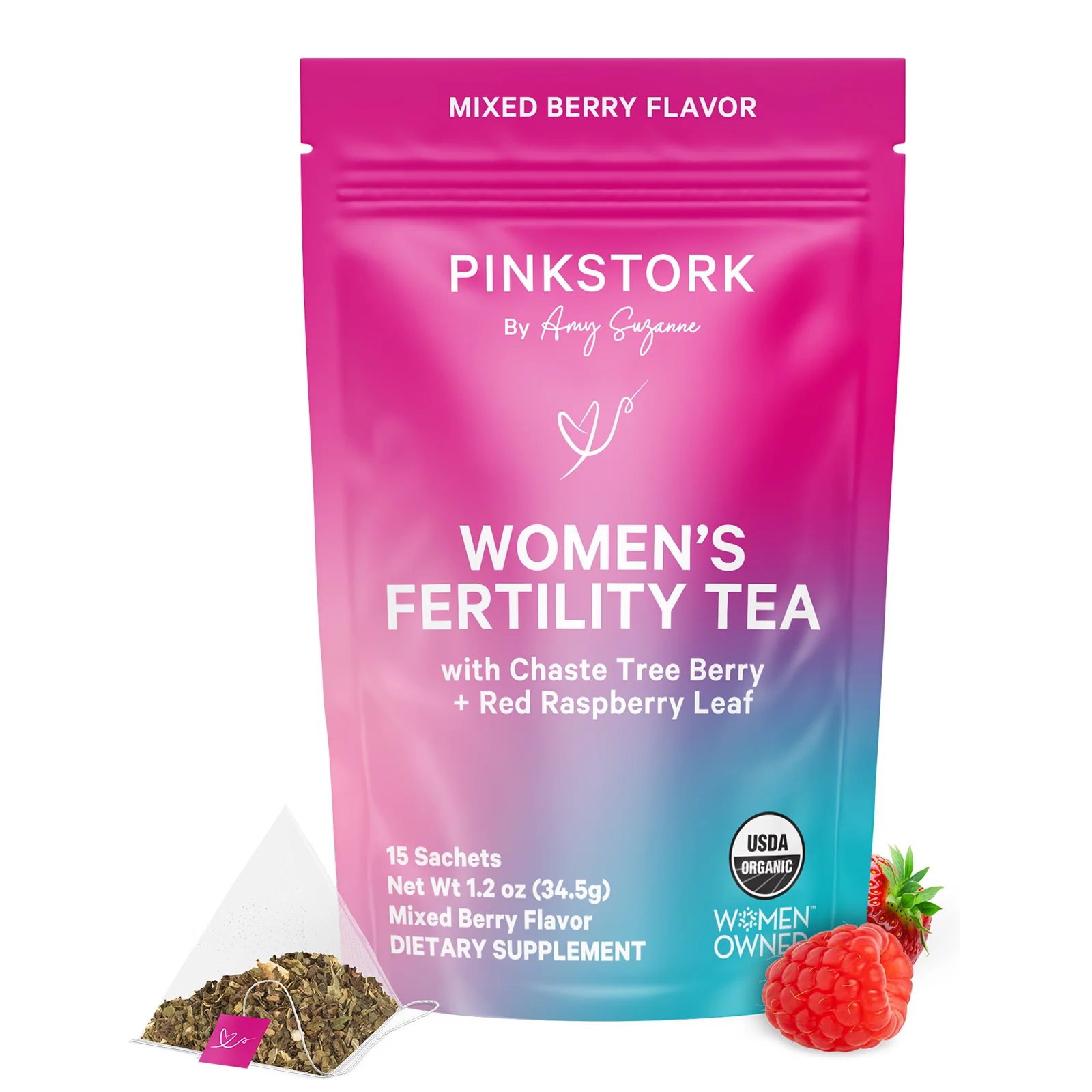
For many women, establishing a reliable cycle and robust fertility prior to starting a prenatal routine involves addressing the broader endocrine system. If the delicate balance between estrogen and progesterone is disrupted, conceiving can become a elongated process. Utilizing targeted natural options, such as a clean progesterone supplement or a comforting fertility tea, can help regulate the luteal phase and encourage a healthy uterine lining. Combining these cycle-syncing tools with a proactive prenatal vitamin routine creates a highly receptive internal environment, making the preconception phase a time of proactive preparation.
Transitioning Mindfully to Postpartum and Postnatal Care
The birth of a baby is a monumental climax, but the body's need for specialized nutritional support does not vanish in the delivery room. The fourth trimester introduces an entirely new set of physical demands, from tissue healing to the intense metabolic requirements of breastfeeding. Mindfully transitioning from a prenatal vitamin to a dedicated postnatal formula ensures a continuum of care that protects the mother’s health while she cares for her newborn. This phase is about replenishment, helping to restore depleted maternal stores and stabilize energy levels during a period of massive lifestyle adjustment.
Proactive Defense Against Postpartum Hair Loss
Establishing a high-quality nutritional baseline during pregnancy and early postpartum can also play a major role in how the body handles later physical shifts, such as the sudden shedding of hair. Postpartum hair thinning occurs when the elevated estrogen levels of pregnancy drop off sharply after birth, forcing hair follicles into a resting state. Utilizing targeted vitamins for postpartum hair loss—rich in biotin, zinc, and collagen—helps nourish the scalp and strengthen emerging strands from the inside out. By prioritizing deep, internal nutrition early on, mothers can navigate these natural aesthetic transitions with minimal stress and maximum resilience.
Comments
Log in or sign up to join the conversation.