

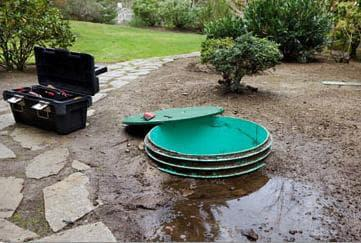
A septic system can provide reliable wastewater treatment for years, but routine pumping does not prevent every type of failure. Components can deteriorate, pipes can become damaged, and structural problems can develop inside or around the tank.
Recognizing these conditions early can help prevent a localized defect from developing into a larger wastewater problem. Professional Septic Tank Repair Services Shakopee MN can address these conditions, but understanding when repair is actually necessary starts with recognizing the difference between routine maintenance and a system defect.
A Full Tank and a Damaged Tank Require Different Solutions
Pumping and repair address different septic concerns. Pumping removes accumulated sludge and scum from the tank to restore usable capacity. Repair, on the other hand, addresses a damaged, deteriorated, disconnected, or improperly functioning component.
If backups, slow drains, odors, or abnormal liquid levels continue after recent pumping, repeatedly emptying the tank may not resolve the underlying problem. A damaged inlet or outlet baffle, deteriorated pipe, restricted outlet, cracked tank, or compromised connection can continue affecting wastewater movement even when the tank itself has been recently serviced.
This distinction is important because recurring symptoms can indicate that the system needs diagnosis rather than another routine pump-out.
Recognize the Signs That Can Indicate Repair Needs
Certain symptoms deserve closer evaluation, particularly when they occur repeatedly or appear together:
Recurring backups: Wastewater returning through toilets, tubs, or floor drains can indicate restricted flow or a broader septic problem.
Persistent sewage odors: Unusual odors around the tank, piping, or drain field can indicate wastewater escaping where it should not.
Wet areas near the system: Standing water or wastewater surfacing near the tank or soil treatment area can indicate leakage, poor effluent dispersal, or hydraulic stress.
Multiple slow drains: Several affected fixtures can point beyond a localized household plumbing blockage.
Visible component damage: Cracked lids, damaged risers, deteriorated baffles, or exposed pipe defects require professional evaluation.
Repeated problems after pumping: Symptoms that return soon after maintenance deserve further investigation rather than repeated treatment of the same symptom.
These signs do not independently confirm a specific failure. A proper inspection is needed to determine whether the problem originates in the tank, wastewater piping, components, or drain field.
Septic Components Can Affect the Entire Wastewater Flow Path
A septic system operates as a connected process. Wastewater enters through the inlet pipe, solids settle into sludge, lighter materials form the scum layer, and the liquid effluent moves toward the outlet and soil treatment area.
The inlet and outlet components help control this movement. Baffles are particularly important because they help direct wastewater while limiting the movement of floating scum and settled solids toward the outlet. If a baffle is damaged or deteriorated, solids can enter downstream piping and contribute to restrictions or treatment problems.
Damaged wastewater lines can create another type of problem. A compromised pipe can leak wastewater before it reaches its intended treatment area or allow groundwater and other unwanted flow to enter the system, depending on the location and condition of the defect.
Structural tank damage also deserves attention because the tank must retain wastewater and maintain appropriate containment throughout normal operation.
A Proper Repair Assessment Looks for the Actual Failure
A repair decision should be based on the condition causing the symptom, not simply on the presence of a backup or slow drain. Depending on the system and problem, an evaluation can include accessible tank components, inlet and outlet conditions, baffles, lids, risers, wastewater lines, liquid levels, and visible evidence of leakage or structural deterioration.
Maintenance history is also useful. Knowing when the tank was last pumped, whether previous inspections identified damaged components, and how often symptoms have returned can help establish whether the problem is recurring or developing.
For homeowners considering Septic Tank Repair Services Shakopee MN, this diagnostic approach is important because repairing the wrong component can leave the actual cause unresolved.
Repair Does Not Always Mean Replacing the Entire System
Not every septic problem indicates complete system failure. Some issues are localized to individual components, connections, piping, lids, risers, or baffles and can be addressed without replacing the entire system.
More extensive structural damage or problems involving the soil treatment area can require a different level of corrective work. The appropriate response depends on the location, severity, age, system design, and underlying cause of the problem.
The key is to identify the failure accurately before deciding what corrective action is necessary.
Treat Recurring Symptoms as a Reason for Investigation
A septic system that repeatedly develops backups, odors, slow drainage, or wet areas is providing useful information about its condition. Routine pumping remains an important part of maintenance, but it cannot correct every mechanical, structural, or wastewater-flow problem.
Understanding the difference between accumulated solids and actual system defects allows homeowners to approach recurring septic problems more effectively. Choosing Trusted Septic Services in Shakopee can also help ensure that recurring symptoms are evaluated properly rather than repeatedly treated without identifying the underlying cause. When symptoms persist, evaluating the entire wastewater path from the tank through the outlet and toward the soil treatment area provides a clearer basis for determining whether repair, additional maintenance, or further system evaluation is appropriate.
Comments
Log in or sign up to join the conversation.