

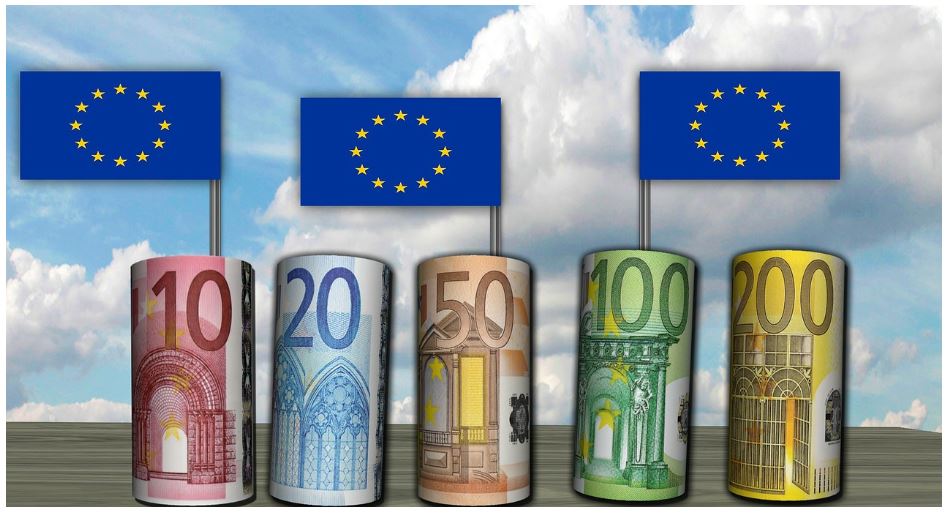
So, you decide to open up a business somewhere in the world and you do business with anyone across the planet. You want to be able to make the flow of cash easily for your clients and they could live almost anywhere. One solution for such a problem is to just open a bank account in major countries, usually in countries where your customers usually live. For countries in the European Union, that means you need to open an EU bank account.
But there’s a problem: the EU may be a central economic zone, but each country in it has its own banking laws. Along with the language barriers, you might encounter a few other problems in setting up an EU bank account. The greatest remedy to this is to research what you should expect when trying to open an account. Here are a few pointers to get you started:
Requirements and Regulations
One of the things you’ll have to note is that things won’t probably be easy. That goes without saying: opening up a business is always hard. So you’ll have to learn to live with a few things in order to open that account.
- You might be required to be there in person. That means flying into a European Union country to open the account yourself. If it is required that you need to be there in person, then make sure you get all the requirements ready before going. Check out the Internet and find all the necessary requirements and obtain them before going off on the trip.You might need to have a business address in the EU. This can be solved in a number of ways without actually setting up a physical headquarters in the EU, but this is going to cost you a lot.
- It may also be required that the business is registered in an EU country. This leads to another set of requirements, which of course you need to research before flying off to the EU. Keep in mind that each country has its own laws and regulations.
- You might need a Tax ID as well. It’s a requirement for sending information to the tax authority in an EU country.
- There are other requirements such as legal ID, which may vary from country to country.
It looks a bit troublesome, but this is important. You may just use 3rd or 4th party money carriers but there are risks involved in using them. If it happens that you lose money inexplicably while it’s in their possession, you’ll have to either wait for years until action can be taken or just give up and never expect to get that money back, which may or may not be worth it.
Image Source: Pixabay.com
Comments
Log in or sign up to join the conversation.