
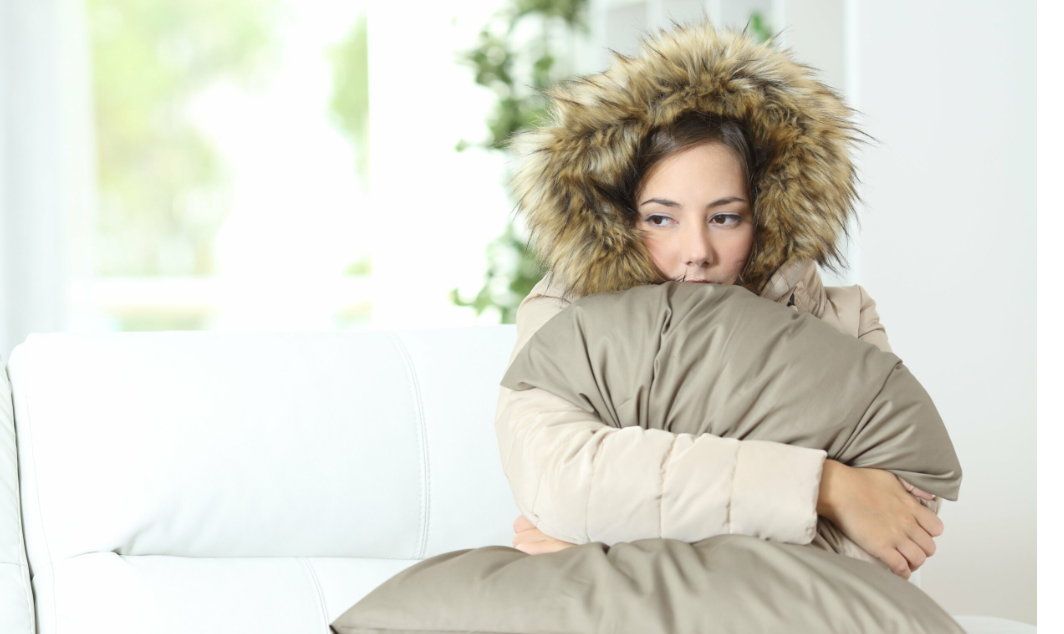
A broken heater during cold weather is more than an inconvenience — it's a genuine home emergency that can affect comfort, safety, and in severe cases, even risk pipe freezing if a home goes without heat for an extended period. Understanding what to do when a heater fails helps homeowners respond effectively rather than panicking or making the situation worse.
The first step when facing a broken heater is a basic troubleshooting check before assuming the worst. Confirming the thermostat is set correctly and has working batteries, checking that the circuit breaker for the heating system hasn't tripped, and verifying that any furnace filter isn't so clogged that it's restricting airflow can sometimes resolve what initially seems like a serious system failure. These simple checks take only a few minutes and occasionally identify an easy fix before assuming a full repair call is necessary.
If basic troubleshooting doesn't resolve a broken heater issue, it's important to recognize the signs that indicate a problem requiring professional attention rather than a DIY fix. Unusual noises, a burning smell, the system running but not producing warm air, or the system failing to turn on entirely all suggest an underlying mechanical or electrical issue that a trained HVAC technician needs to diagnose properly rather than something a homeowner should attempt to address independently, particularly given the safety considerations involved with gas furnaces and electrical heating components.
Safety should be the top priority when a heater malfunctions, particularly for gas furnaces. If there's any smell of gas, unusual soot, or signs of a potential carbon monoxide issue, homeowners should leave the home immediately and contact emergency services before contacting an HVAC company, since these situations represent genuine safety hazards rather than simple mechanical inconveniences.
While waiting for professional repair, taking steps to prevent pipes from freezing becomes important if a home is without heat for an extended period, particularly during especially cold weather. Opening cabinet doors under sinks to allow warm air circulation around pipes, and allowing faucets to drip slightly, can help reduce the risk of frozen and potentially burst pipes during a heating outage.
When contacting an HVAC provider about a broken heater, prioritizing companies offering genuine 24/7 emergency service matters considerably, since heating failures during particularly cold weather represent a time-sensitive situation rather than something that can reasonably wait days for a scheduled appointment. A provider with adequate technician staffing and established emergency response protocols can typically address a broken heater considerably faster than a smaller operation without dedicated emergency capacity.
Understanding a repair provider's pricing approach before service begins also matters, particularly for emergency calls that might otherwise carry higher after-hours rates. Providers offering transparent, up-front pricing — and in some cases, membership programs guaranteeing no overtime charges — help homeowners avoid unpleasant financial surprises during an already stressful heating emergency.
Once a broken heater is repaired, it's worth asking the technician about the underlying cause of the failure and whether regular maintenance might help prevent similar issues in the future. Many heating system failures are preventable through routine seasonal maintenance, making this kind of conversation valuable for avoiding a repeat emergency during a future cold snap.
Comments
Log in or sign up to join the conversation.