
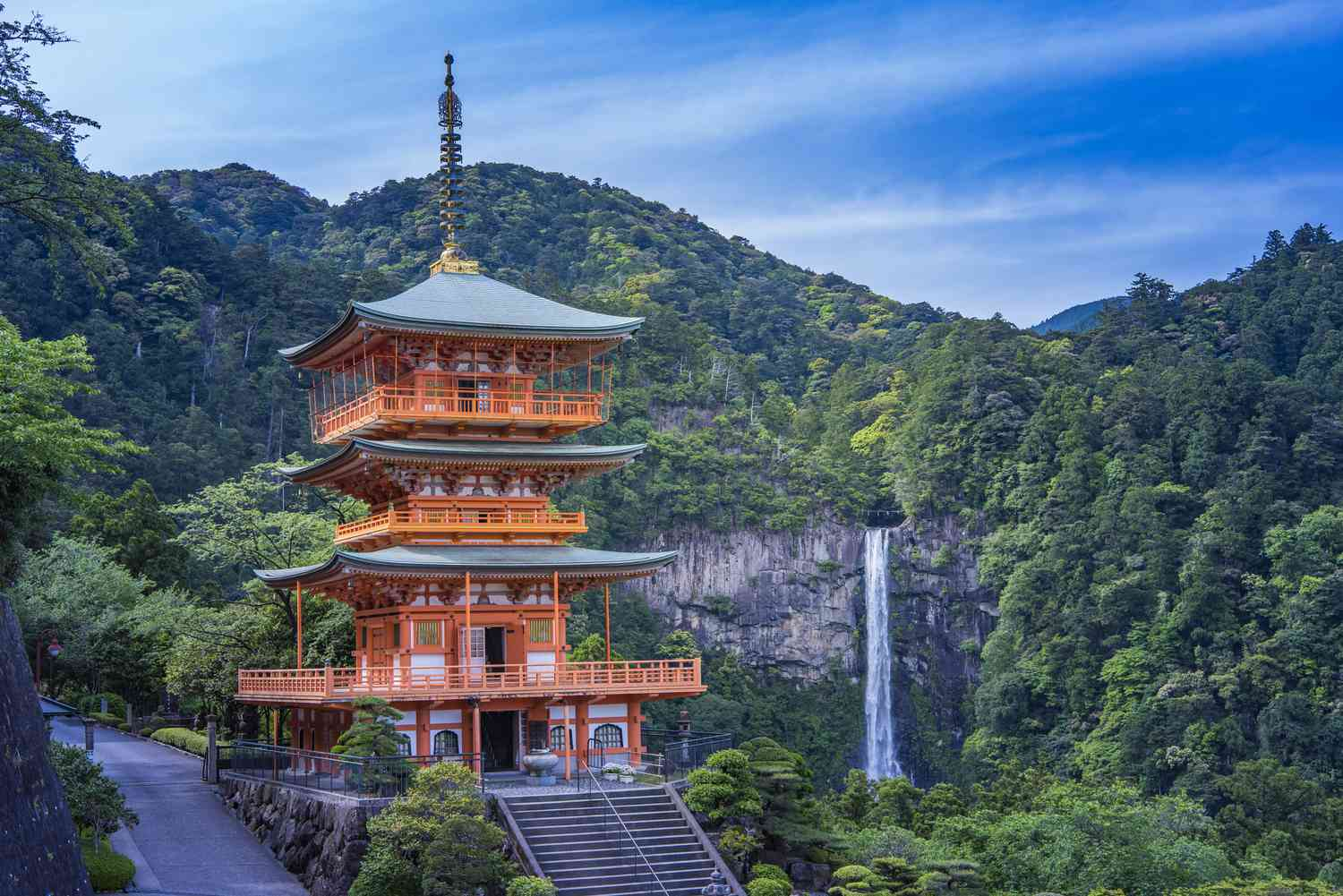
The Kumano Kodo Routes is a network of ancient pilgrimage trails across Japan’s Kii Peninsula, known for forested mountains, historic shrines, quiet villages, and traditional hot springs. Before hiking, understand the route options, difficulty, weather, transportation, accommodation, luggage needs, and trail etiquette.
For first-time hikers, choosing the right section is more important than trying to complete the entire network. With reasonable preparation, the Kumano Kodo can be an unforgettable mix of hiking, Japanese culture, spirituality, and rural scenery.
What Is the Kumano Kodo?
The Kumano Kodo is a historic network of pilgrimage routes through the Kii Peninsula of Japan. These trails connect the sacred Kumano Sanzan—Kumano Hongu Taisha, Kumano Nachi Taisha, and Kumano Hayatama Taisha—with surrounding communities and religious sites.
What does “Kumano Kodo” mean?
“Kumano Kodo” can be understood as the Kumano pilgrimage routes. “Kodo” means an old road or pathway, while Kumano refers to the sacred region of the Kii Peninsula.
Unlike a single hiking trail, the Kumano Kodo consists of several interconnected routes with different lengths, landscapes, and levels of difficulty.
Why Is the Kumano Kodo Important?
The Kumano Kodo has been used for pilgrimage for more than a thousand years. Historically, pilgrims traveled through the mountains toward the sacred Kumano shrines.
Today, the trails remain important for both cultural and spiritual reasons. Hiking the route gives visitors a chance to experience rural Japan beyond major destinations such as Tokyo, Kyoto, and Osaka.
The Kumano Kodo is also one of the few pilgrimage routes recognized as a UNESCO World Heritage cultural property, alongside Spain’s Camino de Santiago.
Which Kumano Kodo Route Should Beginners Choose?
Several routes make up the Kumano Kodo, but the Nakahechi Route is generally the most practical choice for international visitors interested in a multi-day pilgrimage hike.
Other routes include:
Nakahechi: The classic pilgrimage route and a popular choice for first-time hikers.
Kohechi: A demanding mountain route crossing the Kii Peninsula.
Koyasan: Connects the sacred area around Koyasan with Kumano.
Ohechi: Follows the southern coastline and offers different scenery.
Iseji: Connects Ise Grand Shrine with the Kumano region.
Your choice should depend on hiking experience, available time, transportation, accommodation, and how much climbing you are comfortable with.
How Difficult Is the Kumano Kodo?
The difficulty varies significantly by route and section.
You should not think of the Kumano Kodo as one continuous, easy walking path. Some sections involve steep climbs, uneven surfaces, stone stairs, forest trails, and considerable elevation gain.
Even experienced travelers can underestimate the physical demands because the trails pass through peaceful forests and villages.
What makes the hike challenging?
The biggest challenges can include:
Long uphill and downhill sections
Uneven rocks and tree roots
Wet or muddy trails after rain
Stone staircases
Limited facilities in remote sections
Hot and humid weather during warmer months
Carrying personal hiking equipment
A shorter itinerary with comfortable accommodation can be a better experience than attempting too much distance each day.
How Long Does It Take to Hike the Kumano Kodo?
There is no single answer because the Kumano Kodo is a network of routes rather than one trail.
A short itinerary may involve one or two days of hiking, while a classic Nakahechi pilgrimage can be planned over several days. Your schedule should include enough time for transportation, rest, sightseeing, and unexpected weather conditions.
Instead of asking, “How quickly can I finish the Kumano Kodo?” consider asking, “How much of the route can I comfortably enjoy?”
When Is the Best Time to Hike the Kumano Kodo?
Spring and autumn are popular periods because temperatures are generally more comfortable for hiking and the surrounding scenery can be particularly attractive.
However, each season has advantages and disadvantages.
Spring: Pleasant hiking conditions and fresh greenery, although weather can change quickly.
Summer: Lush vegetation but potentially hot, humid, and rainy.
Autumn: Cooler temperatures and beautiful seasonal colors, making it an appealing choice.
Winter: Quieter trails and colder conditions, with some higher sections potentially affected by winter weather.
Always check current weather and trail conditions before setting out.
What Should You Pack for the Kumano Kodo?
Packing light is useful, especially if your accommodation arrangements allow luggage transfers.
Essential items can include:
Comfortable hiking shoes or boots with good grip.
Lightweight rain protection.
Water bottle or hydration system.
Small first-aid kit.
Offline maps or reliable navigation information.
Portable power bank.
Layers suitable for changing mountain weather.
Snacks for sections without convenient food stops.
Don't rely entirely on your phone. Download important information before entering areas where mobile coverage may be limited.
Where Do You Stay Along the Kumano Kodo?
Accommodation is an important part of planning the pilgrimage.
Depending on your route, you may stay in minshuku, guesthouses, small inns, or traditional ryokan. Some accommodations offer meals, giving hikers the opportunity to experience local Japanese food and hospitality.
Popular pilgrimage areas can have limited accommodation capacity, so booking ahead is especially important during busy travel periods.
Can You Send Luggage While Hiking the Kumano Kodo?
Yes, luggage-forwarding services can make a multi-day Kumano Kodo trip considerably easier.
Rather than carrying a large suitcase between villages, hikers can arrange for luggage to be transported between appropriate accommodation locations or travel hubs where the service is available.
However, do not assume every accommodation participates in every luggage service. Confirm the arrangements before relying on them.
How Does Transportation Work?
The Kumano region is rural, so transportation requires more planning than a typical Tokyo or Kyoto trip.
Buses and trains connect major access points, but services may be less frequent than visitors expect.
Before hiking, check:
Your arrival point
Bus and train schedules
Trailhead location
Accommodation check-in times
Return transportation
Seasonal transportation changes
A small amount of planning can prevent a long wait or an unnecessarily difficult walk.
What Are the Biggest Mistakes First-Time Hikers Make?
One common mistake is treating the Kumano Kodo like an ordinary tourist attraction.
It is a mountain pilgrimage environment, and some sections are genuinely remote.
Other mistakes include:
Planning daily distances without considering elevation
Wearing unsuitable shoes
Carrying too much luggage
Ignoring the weather forecast
Starting late in the day
Failing to confirm transportation
Booking accommodation too late
Assuming restaurants and shops will always be available
Leaving rubbish on the trail
Underestimating downhill walking
The best itinerary is one that leaves enough time to enjoy the journey rather than constantly watching the clock.
How Can Beginners Prepare for the Kumano Kodo?
You do not necessarily need advanced mountaineering experience, but basic preparation helps.
Start by walking regularly before your trip. Include hills and stairs in your training if possible.
A useful preparation approach is:
Walk → Add elevation → Carry a daypack → Test your footwear → Increase distance gradually.
Most importantly, test your hiking shoes before your trip. Discovering that your footwear causes blisters halfway through a multi-day hike is an avoidable problem.
What Is the Kumano Kodo Like Compared With the Camino de Santiago?
The two pilgrimage experiences are often compared because both have international recognition and long histories.
Feature | Kumano Kodo | Camino de Santiago |
Location | Japan | Spain and surrounding regions |
Landscape | Mountain forests and rural villages | Varies by Camino route |
Religious heritage | Japanese Buddhist and Shinto traditions | Christian pilgrimage |
Trail network | Multiple routes | Multiple Camino routes |
Accommodation | Inns, guesthouses, ryokan and other options | Albergues, hotels and guesthouses |
Terrain | Often mountainous | Depends heavily on route |
Atmosphere | Generally quieter and more forested | Often more social and populated |
Both can be rewarding, but they offer very different cultural and physical experiences.
What Should You Know About Trail Etiquette?
Respect is an important part of hiking the Kumano Kodo.
You may encounter shrines, temples, residential communities, private property, and local residents along the way.
Follow basic principles such as:
Stay on marked trails.
Keep noise reasonable.
Take rubbish with you.
Respect religious sites.
Follow local signs.
Avoid disturbing wildlife.
Give other hikers space.
Follow accommodation rules.
Remember that the route is not simply a recreational hiking trail; it has deep cultural and spiritual significance.
What Are Some Expert Tips for a Better Kumano Kodo Experience?
A few practical choices can make a major difference.
Plan around comfort, not speed. A slower itinerary gives you more time to appreciate forests, shrines, villages, and hot springs.
Start early. This gives you more daylight and creates a buffer if the hike takes longer than expected.
Keep your daily pack light. Carry what you need for the trail rather than your entire travel luggage.
Build flexibility into your schedule. Weather, transportation, and your own energy levels can change your plans.
Learn a few Japanese phrases. Even basic greetings and expressions of thanks can make interactions with local communities more pleasant.
What Is a Realistic Kumano Kodo Itinerary?
A first-time visitor might structure a trip around several hiking days rather than attempting to cover as much distance as possible.
For example:
Day 1: Travel to the Kumano region and settle into your accommodation.
Day 2: Begin hiking after an early breakfast.
Day 3: Continue through forest sections and rural settlements.
Day 4: Complete another planned section and spend time at a traditional hot spring.
Day 5: Visit one of the major Kumano shrines before continuing your journey.
The exact itinerary should be adapted to your chosen route, hiking ability, accommodation, and transportation.
Frequently Asked Questions About Hiking the Kumano Kodo
Is the Kumano Kodo suitable for beginners?
Yes, beginners can hike the Kumano Kodo if they choose an appropriate section and prepare properly. The main consideration is not technical climbing ability but endurance, elevation gain, uneven terrain, and weather. Start with a manageable itinerary instead of selecting a route solely because it looks impressive on a map.
How many days do you need for the Kumano Kodo?
The required time depends on the route and sections you choose. Some visitors hike for only a day or two, while others spend several days completing a longer pilgrimage itinerary. Allow additional time for transportation, accommodation, sightseeing, and rest rather than planning every day at maximum capacity.
Do you need hiking experience for the Kumano Kodo?
You do not need advanced hiking experience for every Kumano Kodo route, but basic fitness and preparation are important. Walking hills, stairs, and longer distances before your trip can help. Choose a route that matches your ability and be prepared for uneven trails and significant climbs.
What should I wear to hike the Kumano Kodo?
Wear comfortable hiking footwear with good traction and clothing that can handle changing weather. Lightweight layers and rain protection are useful. Avoid wearing brand-new shoes for the first time on the trail. Your clothing should prioritize comfort, moisture management, and protection rather than appearance.
Can you hike the Kumano Kodo without a guide?
Yes, many travelers hike sections independently using maps, route information, accommodation arrangements, and transportation schedules. However, guided hiking can be useful if you want deeper cultural interpretation, additional navigation support, or greater confidence on a challenging itinerary.
Is the Kumano Kodo open year-round?
Many sections can be accessed throughout the year, but conditions vary by season and location. Heavy rain, storms, winter weather, trail maintenance, or other local conditions can affect hiking. Always check current conditions and transportation information before starting a hike.
Is the Kumano Kodo worth visiting?
For travelers who enjoy hiking, Japanese culture, nature, and slower travel, the Kumano Kodo can be highly rewarding. Its appeal comes from the combination of mountain scenery, historic pilgrimage traditions, rural communities, sacred sites, and traditional accommodation rather than simply completing a certain number of kilometers.
What is the most popular Kumano Kodo route?
The Nakahechi Route is one of the best-known and most commonly used routes for visitors, particularly those interested in following the traditional pilgrimage path toward the Kumano Hongu area. Its popularity means advance planning for transportation and accommodation is especially useful.
Conclusion
The Kumano Kodo is more than a long-distance hike—it is a journey through Japan's mountains, history, spirituality, and rural communities. Before going, choose a route that matches your fitness, prepare for changing weather, arrange accommodation and transportation early, and keep your daily distances realistic.
Comments
Log in or sign up to join the conversation.