

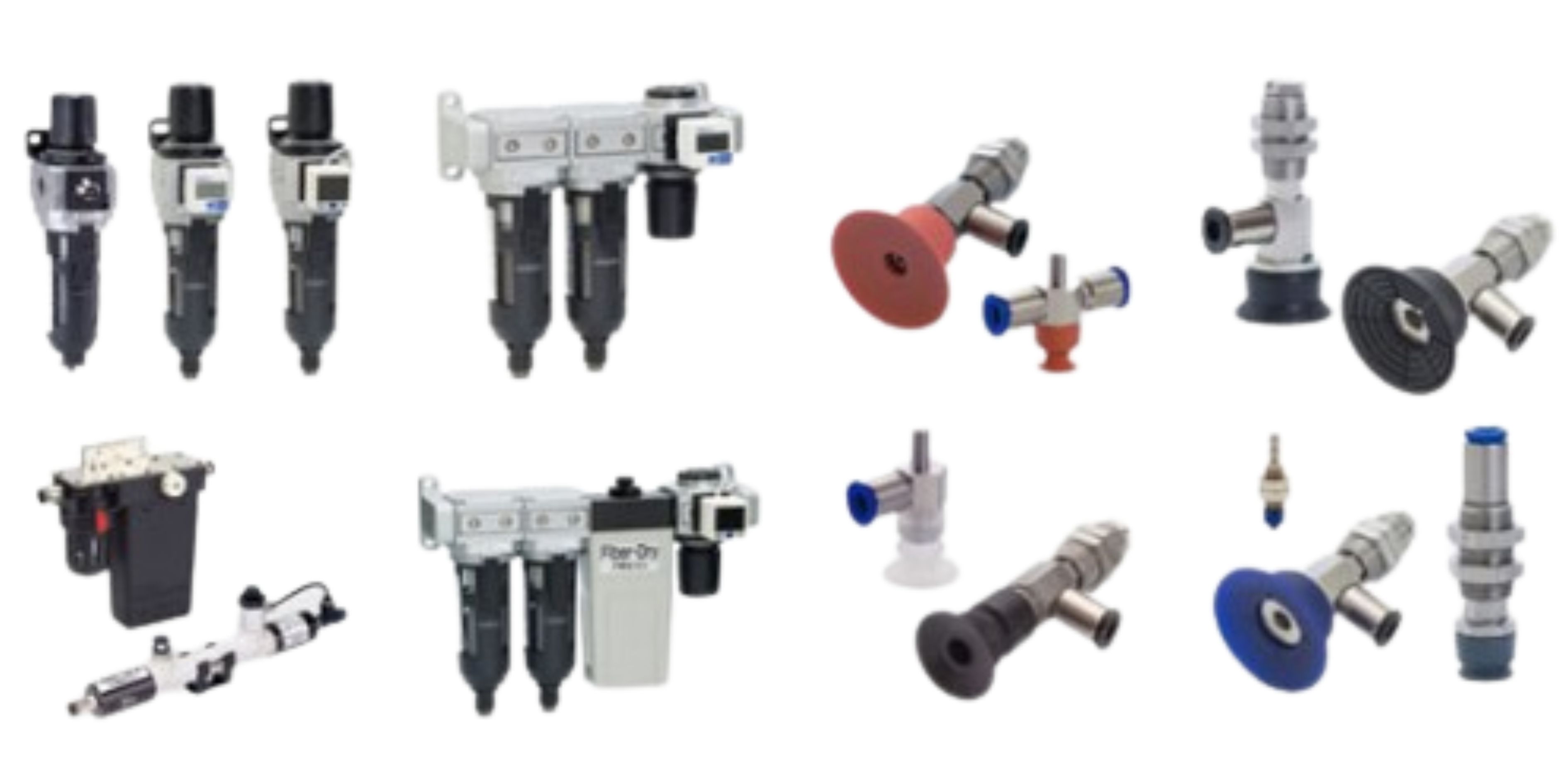
In a busy plant, small connection points can decide whether a pneumatic setup feels steady or constantly “touchy.” A loose joint, a tiny leak, or a hard-to-seat line can quietly drain air, slow motion, and create inconsistent results. That is why many teams pay close attention to the parts that connect tubing, controls, and actuators. When connections hold tight and stay predictable, operators spend less time chasing pressure drops and more time keeping production moving. A well-matched Pisco Air Fittings setup can support cleaner airflow and smoother operation across many work areas. In this article, we will discuss what helps these connections earn trust in real-world pneumatic use.
Consistency That Shows Up in Daily Operation
Trust often comes from what happens over long shifts, not in a quick bench check. When connections stay stable, the line behaves the same from the first cycle to the last. That steadiness helps teams keep timing tight, especially in pick-and-place work, packaging lines, and assembly cells where small airflow changes can shift results. It also supports easier troubleshooting, because technicians can focus on the true cause instead of questioning every joint. When the connection approach stays consistent, the whole setup feels calmer, and maintenance becomes more planned instead of reactive.
Cleaner Airflow for Better Control
Pneumatic performance depends on airflow that is predictable, not “almost right.” A connection that supports smooth flow helps tools and cylinders respond more evenly, which improves control. This matters when equipment needs gentle motion, repeat accuracy, or stable holding force. Well-chosen Pisco Fittings for a clean air routing option can help keep air delivery steady, so the system does not feel jumpy during quick cycles. When airflow stays consistent, operators often notice fewer slowdowns, fewer rechecks, and fewer odd performance shifts that waste time.
Practical Reasons Teams Choose These Connections
A trusted connection choice usually comes from real benefits people can feel on the floor, not marketing language. Here are a few reasons teams often look for reliable connection solutions:
Faster line changes during maintenance because tubing seats cleanly and reconnects without a fight.
Fewer small air losses can affect cycle speed, holding strength, and overall efficiency.
Smoother tool response in repetitive tasks where timing and motion need to stay steady.
Cleaner troubleshooting since stable connections reduce “maybe it’s a leak” uncertainty.
These points matter most when production pressure is high and stops are expensive.
Sourcing Support That Keeps Projects Moving
Even the best design plan can stall when parts are hard to source or when delivery timing is unclear. Many teams prefer supply partners that understand pneumatic applications and can guide selection without overcomplicating the process. Working with Pisco fittings distributors' support can also help reduce ordering mistakes, especially when teams are matching tubing size, line layout, and performance goals. When sourcing is smoother, installs go faster, changeovers feel simpler, and projects stay closer to schedule with fewer last-minute substitutions.
Smarter Systems Connect Sensing and Control
Modern pneumatics is not only about movement. It is also about awareness. Systems often rely on sensing to confirm pressure, detect drops, and keep performance stable during long runs. Using Pisco Pressure Sensors as part of a broader control approach can help teams’ spot changes early and adjust before product quality is affected. When sensing and connections work together, the setup becomes easier to manage because operators can confirm conditions quickly instead of guessing. That kind of clarity builds trust over time, especially in applications where consistency matters more than raw speed.
Conclusion
Reliable pneumatic connections come down to steady airflow, fewer leaks, easier maintenance, and sourcing that does not slow the work down. When those basics are handled well, the entire system feels more predictable, and teams can focus on output instead of constant fixes.
DAS Services, Inc. supports industrial teams by helping them select the right pneumatic components with practical, application-based guidance. They are known for responsive support, dependable supply help, and a straightforward approach that keeps projects moving. Many buyers value their ability to reduce selection stress while keeping quality expectations high.
Frequently Asked Questions
Question: How do these connections help reduce air leaks in real setups?
Answer: Tight, stable joints reduce small air losses that often go unnoticed. Less leakage supports steadier motion, fewer pressure drops, and more predictable cycle behavior during long shifts.
Question: Why does supplier support matter when building pneumatic lines?
Answer: Good supplier support helps match sizes, prevent ordering errors, and keep delivery timing clear. That reduces delays, avoids mismatched parts, and keeps installs moving smoothly.
Question: How can sensing improve pressure stability in pneumatic applications?
Answer: Sensing helps teams spot pressure changes early, confirm stable operation, and respond before performance drops. That means fewer surprises, better control, and more consistent results over time.
Comments
Log in or sign up to join the conversation.