
Introduction
Creative play is an important part of early childhood development, giving children opportunities to explore ideas, express themselves and learn through enjoyable experiences. A well-designed nursery environment can encourage children to use their imagination while developing communication, social and practical skills. Kids nursery settings can provide a combination of resources, activities and supportive guidance that makes creative play a natural part of everyday learning.
Encourages Imaginative Activities
Young children often learn by turning ordinary objects and situations into imaginative experiences. A nursery can provide role-play areas, costumes, toy kitchens, building materials and other resources that allow children to create their own scenarios. Whether they are pretending to run a shop, caring for a toy animal or constructing a building, children can develop stories and ideas through play.
This type of activity allows children to explore different roles and situations at their own pace. It can also encourage them to think creatively rather than relying on a single way of completing a task. A nursery in Leeds can provide children with a safe and engaging environment for creative play and early learning.
Provides a Variety of Creative Resources
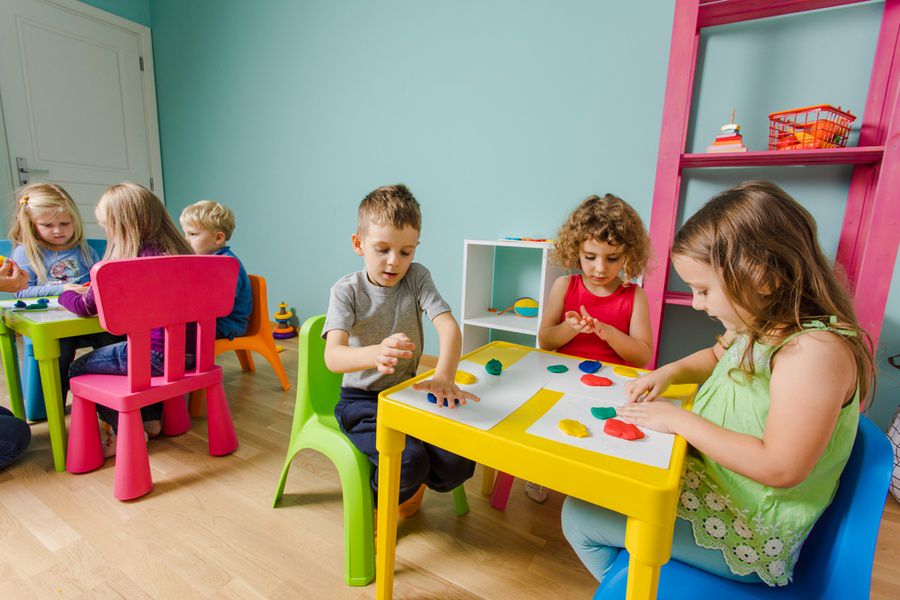
A strong creative environment gives children access to different materials that stimulate exploration. Paint, crayons, paper, clay, blocks, recycled materials and craft supplies can be used in numerous ways. Children can experiment with textures, shapes, colours and construction techniques while developing their own creations.
The focus does not always need to be on producing a particular finished product. Allowing children to experiment freely can help them develop confidence in making choices and discovering what different materials can do.
Supports Learning Through Play
Creative play can connect naturally with early learning. Building activities can introduce basic concepts involving size, shape, balance and space, while drawing and painting can help children practise hand movements and coordination. Story-based role play can support vocabulary and communication.
Nursery practitioners can introduce simple questions and suggestions without taking control of the activity. This approach allows children to remain actively involved while receiving support that extends their thinking and learning.
Develops Communication Skills
Creative play often involves children sharing ideas, negotiating roles and creating stories together. When children participate in group activities, they have opportunities to practise listening, speaking and expressing their thoughts.
For example, a group of children building a pretend town may need to discuss what they are creating and decide how different parts should fit together. These everyday conversations can support language development while making communication enjoyable and meaningful.
Encourages Social Development
Creative activities can provide valuable opportunities for children to develop social skills. Working together on artwork, construction projects or imaginative games encourages cooperation and sharing. Children may learn to take turns, consider other people's ideas and resolve small disagreements.
These experiences can gradually help children understand how their actions affect others. A supportive nursery environment can encourage positive interactions while allowing children to develop independence.
Builds Confidence and Independence
Creative play gives children opportunities to make decisions and see the results of their choices. Selecting materials, deciding what to create and finding solutions to simple challenges can help children develop independence.
There is also value in allowing children to make mistakes. If a tower falls down or a painting does not look as expected, children can try again and explore a different approach. This process can encourage perseverance and confidence in their own abilities.
Creates Flexible Play Spaces
The physical nursery environment can have a significant influence on creative play. Flexible spaces can accommodate activities such as painting, construction, sensory exploration and role play. Having accessible resources allows children to select materials and move between different types of activity.
Outdoor areas can also extend creative opportunities. Natural materials such as leaves, sticks, sand and water can inspire imaginative games and simple investigations while giving children opportunities to explore their surroundings.
Benefits from Supportive Practitioners
Nursery practitioners play an important role in encouraging creativity without directing every aspect of children's play. They can observe what interests children, provide suitable resources and ask open-ended questions that encourage further exploration.
Rather than correcting every unusual idea, practitioners can give children space to experiment and develop their own solutions. This balance between guidance and freedom can help create an environment where children feel comfortable expressing themselves.
Conclusion
A well-planned kids nursery can provide an ideal setting for creative play by combining imaginative activities, varied resources, flexible spaces and supportive practitioners. Creative play allows children to explore ideas while developing communication, social skills, coordination, confidence and independence. By giving children opportunities to experiment, make choices and work with others, nurseries can make creativity an enjoyable and meaningful part of early childhood learning.
Visit Talks Markets for more informative blogs.
Comments
Log in or sign up to join the conversation.