
A beautiful landscape starts with the right plants in the right places. Whether you want to add colorful flower beds, create natural privacy, improve curb appeal, or transform an empty yard into an inviting outdoor space, professional planting can make a significant difference. Proper plant selection and installation can also help create a landscape that is easier to maintain and better suited to local growing conditions.
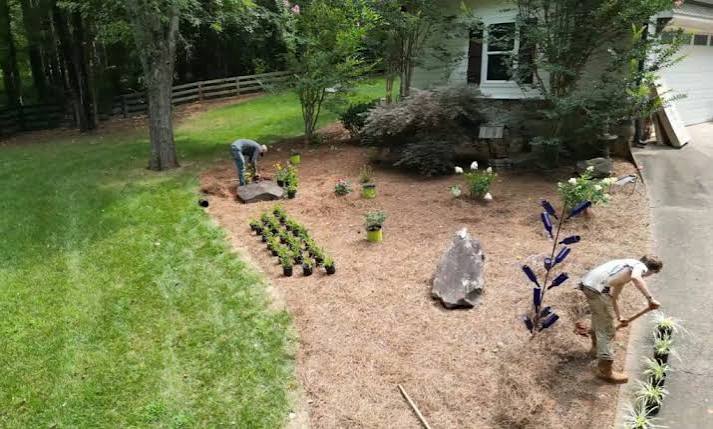
For homeowners and businesses looking for Expert Planting Services in Cumming, GA, professional guidance can be especially valuable. Cumming landscapes can involve clay soil, changing seasonal conditions, mature trees, varying sunlight levels, and sloped properties. Local landscaping professionals commonly provide planting and outdoor design services that include shrubs, privacy trees, sod, flowers, and other landscape plants.
What Are Professional Planting Services?
Professional planting services involve much more than putting a plant into the ground. A knowledgeable landscaping team evaluates the property and considers factors such as sunlight, soil, drainage, plant spacing, mature size, seasonal appearance, and maintenance requirements.
Depending on your goals, planting services may include:
· Flower planting
· Tree planting
· Shrub planting
· Privacy tree installation
· Foundation planting
· Ornamental plant installation
· Native plant installation
· Perennial planting
· Garden bed installation
· Seasonal color planting
· Sod installation
· Landscape bed renovations
A professional approach helps ensure that plants have suitable growing conditions and that the overall landscape looks balanced.
Why Professional Planting Matters in Cumming, GA
Every region presents different landscaping challenges. Cumming properties may have clay-heavy soil, rolling terrain, sunny areas, shaded areas beneath mature trees, and periods of heavy rainfall. These conditions can affect how plants establish and grow. Local landscaping sources specifically note that North Georgia's clay soil can compact easily and may affect drainage and root growth.
Professional planting can help address these challenges by focusing on:
· Appropriate plant selection
· Soil preparation
· Correct planting depth
· Proper spacing
· Drainage considerations
· Sunlight requirements
· Long-term growth
· Seasonal appearance
· Ongoing maintenance
Instead of choosing plants simply because they look attractive at a nursery, professional planting focuses on whether those plants are suitable for the actual property.
Choosing the Right Plants for Your Landscape
Plant selection is one of the most important parts of landscape installation. Different plants have different requirements for sunlight, moisture, soil, space, and maintenance.
For example, a plant that thrives in full sun may struggle beneath a dense tree canopy. Likewise, a plant that requires well-drained soil may not perform well in a consistently wet area.
Professional landscapers can evaluate the planting location and recommend options that complement the property's conditions.
Trees
Trees can provide shade, structure, beauty, and privacy. They can also become long-term focal points within a landscape. When selecting trees, professionals consider mature height, canopy spread, root characteristics, sunlight, and proximity to buildings or utilities.
Shrubs
Shrubs are versatile landscape plants that can be used around foundations, along walkways, within garden beds, or as natural screening.
Evergreen shrubs can provide year-round structure, while flowering shrubs can add seasonal color.
Flowers
Flowers can introduce vibrant colors and seasonal interest. Annuals and perennials can be selected according to the desired bloom period, sunlight, soil, and maintenance preferences.
Ornamental Grasses
Ornamental grasses can add texture and movement to planting beds. They may also work well in areas where homeowners want a more natural or contemporary landscape appearance.
Native and Climate-Appropriate Planting
Choosing plants suited to the local environment can be an important part of creating a sustainable landscape. The University of Georgia Cooperative Extension emphasizes the value of selecting the right plant for the right location and notes that native plants can contribute to lower-maintenance landscapes when matched appropriately to site conditions.
Native or well-adapted plants may be useful because they can be better suited to local environmental conditions. However, plant selection should still consider the specific conditions of each property.
A professional planting plan can combine native plants, ornamental varieties, trees, shrubs, and flowers to create a landscape that looks attractive throughout different seasons.
Planting for Privacy
Privacy planting is a popular landscaping goal for residential properties. Instead of relying only on fences or walls, strategically placed trees and shrubs can create a natural visual barrier.
Privacy planting can be used to:
· Screen neighboring properties
· Define property boundaries
· Improve backyard privacy
· Reduce unwanted views
· Create secluded outdoor areas
· Add greenery around patios and seating spaces
The mature size of each plant should be considered before installation. Plants that appear small at installation can become substantially larger over time.
Local Cumming nurseries and landscaping businesses offer a variety of trees and shrubs suitable for privacy screens and landscape projects.
Foundation Planting
Foundation planting can improve the appearance of a home's exterior by creating a transition between the building and the surrounding lawn.
Shrubs, ornamental grasses, flowers, and smaller trees can be arranged around the front or sides of a property to soften hard architectural lines.
However, plants should not be placed too close to structures. Professionals consider mature plant size, access for maintenance, drainage, and airflow when creating foundation planting designs.
Flower Bed Installation and Seasonal Color
A thoughtfully designed flower bed can become one of the most attractive parts of a landscape. Professional planting services can help determine the appropriate location, shape, soil preparation, and plant combinations.
Seasonal flowers can be used to refresh the appearance of a property throughout the year. Different combinations of annuals and perennials can provide changing colors and textures as seasons progress.
A professional planting design may combine:
· Tall plants
· Medium-height flowers
· Groundcovers
· Evergreen plants
· Ornamental grasses
· Seasonal flowers
This layered approach creates visual depth rather than a flat planting bed.
Soil Preparation Before Planting
Healthy plants need a good foundation. Soil preparation is therefore an important step before planting.
Compacted soil can make it harder for roots to develop properly. Depending on the site, preparation may involve loosening soil, improving organic matter, adjusting planting beds, or addressing drainage concerns.
Professional planting services can evaluate existing soil conditions and determine what preparation is appropriate for the selected plants.
Good soil preparation can help support stronger root establishment and better long-term plant performance.
Proper Plant Spacing
Plant spacing is another detail that can have a major impact on the landscape over time.
Plants placed too close together may eventually become crowded, reducing airflow and making maintenance more difficult. Plants placed too far apart may leave unwanted gaps in the landscape.
Professional installers consider the expected mature size of plants when determining spacing. This helps the landscape look intentional both immediately after installation and as plants mature.
Planting for Curb Appeal
A property's front landscape contributes significantly to its first impression. Fresh plants, well-defined planting beds, colorful flowers, and healthy shrubs can create a welcoming appearance.
Professional planting can help coordinate plants with the home's architecture, driveway, walkway, lawn, and existing trees.
Even a relatively simple planting project can make an older or plain landscape appear more polished.
Planting Around Outdoor Living Spaces
Backyards are increasingly being designed as outdoor living areas. Patios, decks, fire-pit areas, seating spaces, and outdoor kitchens can become more comfortable when surrounded by attractive landscaping.
Plants can provide:
· Natural privacy
· Shade
· Color
· Fragrance
· Soft visual boundaries
· Natural screening
· A relaxing atmosphere
Strategic planting can help connect hardscape features with the surrounding lawn and garden.
Planting and Drainage Considerations
Water management should be considered before installing plants. Areas that remain excessively wet may not be suitable for plants that require well-drained soil.
Similarly, slopes may require erosion-control planting or other landscape solutions.
Professional planting can be coordinated with drainage improvements so that plants are installed in locations where they have a better chance of thriving. Local Cumming landscaping providers offer planting alongside drainage and erosion-control services, reflecting the importance of considering these elements together.
The Professional Planting Process
A quality planting project generally involves several stages.
1. Property Assessment
The process begins by examining the property and discussing the homeowner's goals.
2. Plant Selection
Plants are selected based on sunlight, soil, moisture, mature size, appearance, and maintenance requirements.
3. Landscape Planning
Professionals determine where trees, shrubs, flowers, and other plants should be positioned.
4. Soil Preparation
The planting areas are prepared to provide suitable conditions for root development.
5. Professional Installation
Plants are installed at appropriate depths and spacing, with care taken to protect roots and establish the plants correctly.
6. Initial Watering
Newly installed plants require appropriate watering to support establishment. The exact requirements depend on plant type, weather, soil, and site conditions.
7. Ongoing Maintenance
Pruning, watering, mulching, fertilizing when appropriate, and monitoring plant health help maintain the landscape.
Benefits of Hiring Expert Planting Professionals
Professional planting offers advantages beyond convenience.
Better Plant Selection
Professionals can help identify plants that fit the property's growing conditions.
Improved Landscape Design
A coordinated planting plan can create better balance, color, texture, and structure.
Proper Installation
Correct planting depth, spacing, and soil preparation can support healthier establishment.
Long-Term Planning
Professionals consider how plants will look when they mature rather than focusing only on their appearance on installation day.
Reduced Maintenance Problems
Appropriate plant selection and placement can make future maintenance more manageable.
Cumming-area landscaping providers offer planting as part of broader landscape installation and design services, including shrubs, trees, sod, and outdoor improvements.
How to Choose Planting Services in Cumming, GA
When comparing landscaping professionals, consider their experience, plant knowledge, service range, previous work, communication, and customer reviews.
Before hiring a planting service, ask:
1. What plants do you recommend for my property?
2. Are the plants suitable for my soil and sunlight?
3. How large will the plants become?
4. How will the soil be prepared?
5. What spacing will be used?
6. What maintenance will the plants require?
7. Will you provide watering instructions?
8. Can planting be combined with landscape design?
9. Do you offer ongoing landscape maintenance?
A professional assessment can help you make a better decision than selecting plants based only on appearance or price.
Common Planting Mistakes to Avoid
Homeowners can encounter problems when planting without considering long-term requirements.
Common mistakes include:
· Choosing plants unsuitable for the available sunlight
· Planting too close to buildings
· Ignoring mature plant size
· Installing plants in poorly drained soil
· Planting too deeply
· Overcrowding garden beds
· Selecting high-maintenance plants for a low-maintenance landscape
· Neglecting watering after installation
· Failing to plan for seasonal changes
Professional planting helps reduce these mistakes through proper planning and installation.
Maintaining Newly Installed Plants
New plants require attention during their establishment period. Regular watering is often particularly important after installation, although watering needs vary depending on weather, soil, plant species, and location.
Mulch can also be useful in appropriate planting beds. It may help conserve soil moisture, moderate soil temperatures, and reduce weed competition when installed correctly.
Regular inspection allows homeowners to identify problems such as wilting, pest activity, disease symptoms, or irrigation issues before they become more serious.
Why Professional Planting Is a Long-Term Investment
Landscaping is not simply about making a property look attractive today. A well-planned planting project can continue improving the landscape as trees, shrubs, and other plants mature.
Professional planning considers growth patterns, seasonal changes, maintenance requirements, and the relationship between different landscape elements.
With the right plants in the right locations, a property can become more attractive, functional, and enjoyable over time.
Frequently Asked Questions
What types of planting services are available in Cumming, GA?
Planting services may include trees, shrubs, flowers, privacy plants, ornamental grasses, foundation landscaping, seasonal color, native plants, and sod installation.
What are the best plants for Cumming, GA?
There is no single best plant for every property. The right choices depend on sunlight, soil, drainage, available space, maintenance preferences, and the landscape's design goals.
Is professional planting better than DIY planting?
DIY planting can work for small projects, but professional services can be valuable for larger landscapes or when homeowners need help with plant selection, soil preparation, spacing, and long-term design.
How often do newly planted plants need watering?
Watering requirements vary by species, season, soil, and weather. Newly installed plants generally need closer attention during establishment, and a professional can provide site-specific guidance.
Can planting improve property privacy?
Yes. Properly selected trees, shrubs, and hedges can create natural screening and help define private outdoor spaces.
Can planting help improve curb appeal?
Absolutely. Well-planned flower beds, shrubs, trees, and foundation plants can create a more welcoming and polished appearance.
Final Thoughts
Professional planting is one of the most effective ways to improve the beauty, functionality, and long-term health of a landscape. From privacy trees and flowering shrubs to foundation plants, seasonal flowers, and native landscaping, the right plants can completely change the character of an outdoor space.
For homeowners searching for Expert Planting Services in Cumming, GA, choosing an experienced professional can help ensure that every plant is selected and installed with its long-term performance in mind. By considering soil, sunlight, drainage, spacing, mature size, and maintenance requirements, a professional planting plan can create an outdoor environment that remains attractive and healthy for years to come.
With thoughtful design, quality installation, and consistent care, your Cumming property can become a greener, more welcoming, and more enjoyable place to live.
Written by: Rank Business Listings
Comments
Log in or sign up to join the conversation.