
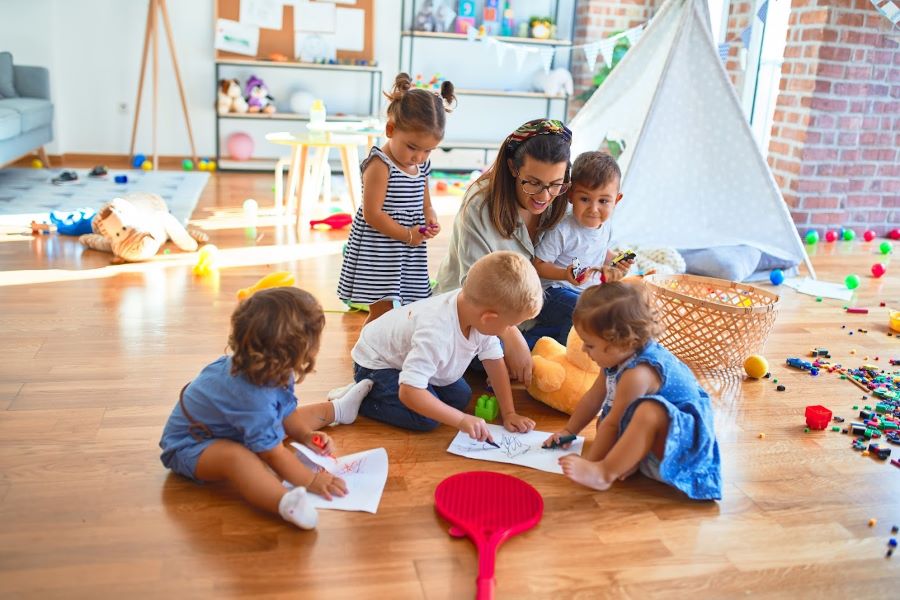
Choosing the right Child Care Centre is an important decision for parents who want their young children to learn, play, and grow in a secure environment. Safety involves much more than keeping doors locked or watching children during activities. A quality Child Care provides proper supervision, clean spaces, trained staff, safe equipment, and clear emergency procedures. When these elements work together, children can enjoy their daily routines while parents feel more confident about their care and development.
Active Supervision
Active supervision is one of the most important parts of keeping young children safe. Staff members need to know where each child is and what they are doing throughout the day. Good Child Care settings use attentive educators who remain engaged with children instead of simply watching from a distance.
Young children can move quickly and may not always understand potential dangers. Staff should therefore stay close during play, meals, outdoor activities, and transitions between rooms. Consistent supervision helps adults respond quickly when a child needs assistance or when an unsafe situation develops.
Safe Indoor Spaces
The physical environment has a major effect on children's safety. A well-maintained Child Care environment should have clean rooms, secure furniture, suitable flooring, and enough open space for children to move around comfortably. Toys and learning materials should also be appropriate for the children's ages.
Electrical outlets, sharp edges, cleaning products, and other potential hazards should be properly secured. Regular inspections can help staff identify problems before they become serious. Keeping rooms organized also reduces the possibility of children tripping over objects or reaching items that could cause harm.
Secure Outdoor Play
Outdoor play gives children an opportunity to exercise, explore, and develop important physical skills. However, outdoor areas need careful planning and regular maintenance. A safe Child Care program should provide playground equipment that is suitable for young children and checked regularly for damage.
Fences and gates should also help prevent children from leaving the designated play area. Staff should remain nearby while children are outside and make sure activities are appropriate for different ages and abilities. Soft surfaces around play equipment can also help reduce the risk of serious injuries from falls.
Trained and Caring Staff
Children need adults who understand their needs and know how to respond to different situations. Staff training is therefore an important part of Child Care safety. Educators should understand basic child development, supervision practices, emergency procedures, and appropriate ways to respond to children's behaviour.
Staff should also communicate respectfully with children and create an environment where young children feel comfortable asking for help. A caring relationship between educators and children can make it easier for children to express their concerns, discomfort, or fears.
Cleanliness and Hygiene
Young children are still developing their immune systems, so cleanliness is an important part of a safe care environment. A good Child Care setting should have regular cleaning routines for rooms, bathrooms, toys, tables, and frequently touched surfaces.
Handwashing should be encouraged at suitable times, particularly before meals and after using the bathroom or playing outside. Food preparation areas also need proper hygiene practices. These simple habits can reduce the spread of common illnesses and help create a healthier environment for children.
Safe Food Practices
Meals and snacks are another important safety consideration for young children. Child Care providers should understand children's dietary needs and be aware of known food allergies. Food should be prepared, stored, and served using appropriate hygiene practices.
Children should also be supervised during meals and snacks. Young children can sometimes have difficulty eating certain foods safely, so age-appropriate food preparation is important. Clear communication between parents and staff can help ensure that dietary requirements and allergies are properly managed.
Emergency Preparedness
A safe Child Care environment should be prepared for unexpected situations. Staff need clear procedures for emergencies such as fires, severe weather, injuries, or other events that may require children to leave the building quickly.
Emergency plans should be easy for staff to understand and should be practiced when appropriate. First-aid supplies should also be available, and staff members responsible for children should know how to respond when a child becomes injured or unwell. Good preparation can help staff remain calm and act quickly when an emergency occurs.
Secure Pickups and Drop-Offs
Children's safety also depends on what happens when they arrive and leave. A reliable Child Care program should have clear procedures for dropping off and collecting children. Staff should know which adults are authorized to pick up each child and should follow established identification procedures when necessary.
These routines help prevent children from being released to unauthorized individuals. Parents should also be informed about the center's arrival and departure policies so that everyone follows the same safety expectations.
Communication With Parents
Strong communication between parents and caregivers can make Child Care safer and more effective. Parents should be able to share important information about allergies, routines, dietary needs, sleep habits, or other concerns that may affect their child during the day.
Caregivers should also communicate important updates with parents, including injuries, changes in behaviour, illnesses, or unusual incidents. Open communication allows both sides to work together and ensures that children's needs are understood consistently.
Final Words
Safety for young children depends on many connected factors, including supervision, trained staff, clean facilities, secure play areas, healthy food practices, and emergency preparation. A safe environment allows children to explore and learn while reducing avoidable risks during their daily activities.
Parents can also play an important role by asking questions about safety procedures, staff training, hygiene routines, outdoor areas, and pickup policies before choosing a care provider. When caregivers and families communicate openly and follow clear safety practices, children can enjoy a supportive environment where they feel comfortable, protected, and ready to learn.
Comments
Log in or sign up to join the conversation.