

This article was originally published on penzu.com and has been republished here with permission.
Most people do not buy outdoor clearing equipment for a single afternoon. They buy it because grass keeps growing, edges keep getting messy, and neglected spaces always ask for attention again. That is why long-term value matters more than a quick first impression. A machine may look convincing in a photo, but real worth shows up later, during repeated use on rough ground, taller growth, awkward corners, and work that cannot be delayed. Buyers who think beyond the starting price often make better decisions. They look at durability, comfort, fuel use, and upkeep together. In the long run, that usually leads to less frustration and more satisfaction. In this article, we discuss the practical qualities that make a machine a better long-term choice.
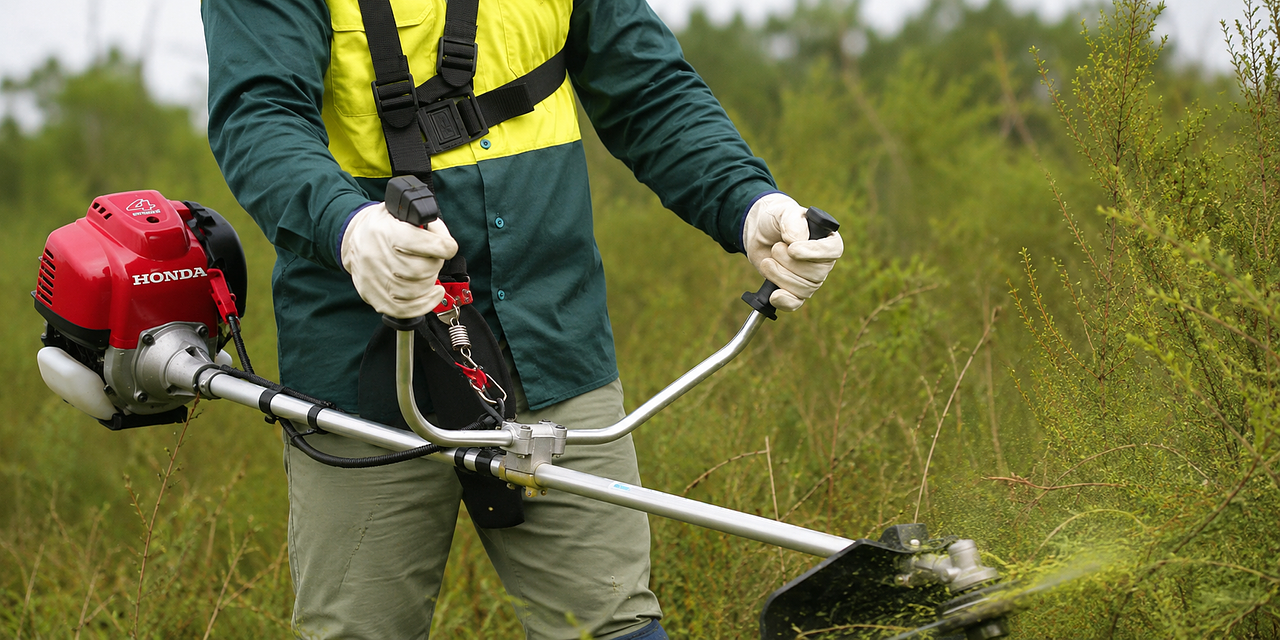
Real performance matters more than a polished first look
A good machine should work well in ordinary conditions, not only in perfect ones. In real settings, the ground is uneven, the growth is mixed, and the work is not always light. Some areas have soft weeds, while others are filled with dense patches near walls, fences, trees, or drainage edges. A worthwhile option should handle those changes without feeling unstable or overly tiring after a short period. Best brush cutter machine, they usually think about how it behaves once the easy part is over. A dependable tool should keep moving smoothly across different sections and feel controlled in the hands of the user.
Strong construction becomes more important over time
At the beginning, many machines can appear quite similar. They start, they cut, and they seem capable enough for the job ahead. The real difference often shows later. After months of regular use, better construction usually becomes easier to notice. Stability, fit, and overall feel start to matter far more once the machine is being used in demanding conditions instead of being tested briefly. Work like that quickly reveals whether the machine was built for repeated effort or just occasional use. Even a reliable brush cutter for farms should feel consistent when the task takes longer than expected. Buyers often remember this only after they have already spent money.
Running costs quietly shape the full experience
Fuel efficiency, service needs, and everyday reliability all influence whether the purchase still feels sensible after months of use. A machine that constantly asks for extra attention can slowly turn into a burden, even when the starting figure seemed attractive. Honda Brush Cutter Price In Kenya, when comparing options. They are not only asking what something costs. They are also trying to judge whether the price reflects stronger long-term value. A machine that runs more smoothly, wastes less time, and creates fewer interruptions may end up feeling like the better choice overall.
Comfort and control decide whether it stays useful
Long-term use is not only about cutting ability. It is also about how the machine feels in regular hands-on work. 4 Stroke Brush Cutter Price in Kenya often connects to a broader idea of comfort and usability. Buyers may be thinking about longer working sessions, larger open spaces, or areas that need better control near paths and planted sections. A machine that feels manageable through repeated use tends to remain part of the routine. One that feels heavy, awkward, or irritating may gradually be avoided, even if it still works.
A good choice should still suit tomorrow’s workload
One common mistake is buying only for the immediate job. The machine may be needed today for overgrown grass, but later it could be used around a bigger home, a wider compound, or a more demanding plot. That future shift matters. Long-term value often comes from choosing something that still feels suitable when the workload grows a little beyond the original plan. Brush Cutter label and think about realistic use ahead. A machine meant only for light, occasional trimming may not satisfy someone who ends up working on rougher or broader sections more often. Thinking a little further ahead can prevent disappointment. The right choice should not just solve today’s clearing problem. It should continue to make sense when the work becomes slightly heavier, more frequent, or less predictable.
Conclusion
Long-term value usually comes from several practical qualities working together. The machine should perform well on uneven ground, feel manageable during repeated use, and justify its running costs over time. Buyers who look beyond appearance and compare real working comfort, durability, and future suitability often end up making wiser decisions.
For anyone exploring dependable options locally, Brush Cutters offers a useful starting point with a more grounded buying experience. The company presents equipment choices in a way that helps buyers think practically about long-term use rather than quick appeal alone. When a purchase needs to feel sensible, not just today but months from now, Brush Cutters leaves a quietly confident impression.
Frequently Asked Questions
Question: What should someone compare before making a final purchase?
Answer: A buyer should compare intended workload, terrain type, ease of handling, fuel use, and expected maintenance needs. It also helps to think about how often the equipment will be used. Looking at all of these together gives a much clearer picture than focusing only on price or appearance.
Question: Is a higher starting cost always a better sign?
Answer: Not always. A higher figure does not automatically mean better value. What matters is whether the machine offers stronger durability, better comfort, and smoother long-term use. Sometimes a moderately priced option gives better overall value if it performs consistently and stays practical through repeated work.
Question: Why do some buyers regret their choice after a few months?
Answer: This often happens when the machine looked suitable at first, but did not match actual daily use. It may feel too tiring, need too much attention, or struggle with rougher sections. Regret usually comes from choosing for the moment instead of thinking about repeated use across different conditions.
Comments
Log in or sign up to join the conversation.