
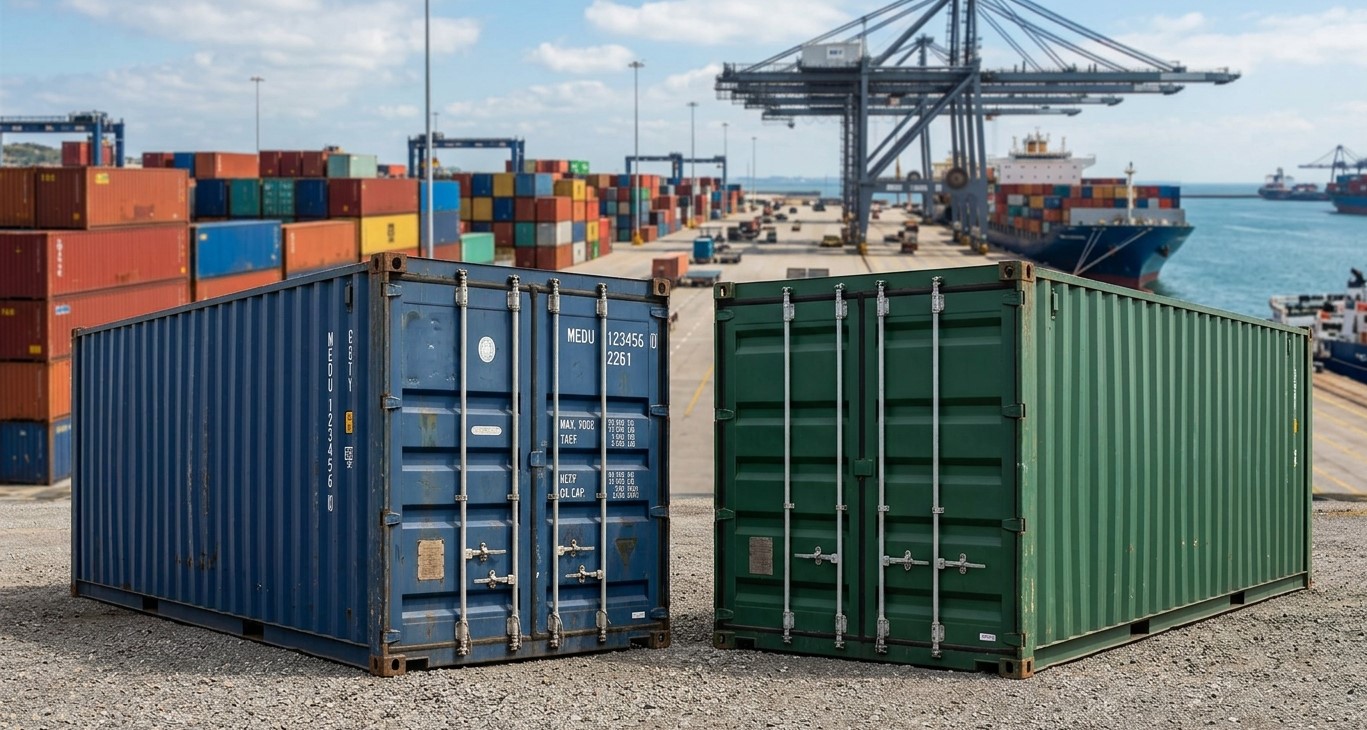
When searching for shipping containers for sale, you may come across terms such as "shipping container" and "Conex box." Many buyers wonder whether these are two different types of containers or simply different names for the same thing. Whether you are searching for a shipping container for sale near me, comparing storage containers for sale, or exploring container solutions from Conex Hub, understanding the terminology can make it easier to choose the right container for your needs. In most everyday situations, a Conex box and a shipping container refer to essentially the same type of steel container, although the terms can have different historical origins and regional usage.
Table of Contents
What Is a Shipping Container?
What Is a Conex Box?
Shipping Container vs. Conex Box
Why Are They Called Conex Boxes?
Are Conex Boxes Different From Shipping Containers?
Common Uses for Both
Which Container Should You Choose?
What to Check Before Buying
Frequently Asked Questions
Final Thoughts and CTA
What Is a Shipping Container?
A shipping container is a standardized, durable steel container originally designed to transport cargo efficiently between different modes of transportation, including ships, trains, and trucks.
Shipping containers are manufactured in standardized dimensions to make handling and transportation easier. Common sizes include 20-foot and 40-foot containers, while high-cube versions provide additional interior height.
Today, shipping containers are used for much more than transporting goods. Businesses, contractors, homeowners, farms, warehouses, and construction companies use them for storage and other applications.
Depending on their design, containers can be used for:
General storage
Business inventory
Construction materials
Equipment storage
Workshops
Temporary facilities
Modified buildings
Agricultural storage
What Is a Conex Box?
A Conex box is another commonly used term for a steel intermodal shipping container.
The word "CONEX" comes from Container Express, a military container system developed for transporting supplies. The term became widely associated with rugged steel cargo containers.
Over time, "Conex box" became a common informal term, particularly in the United States, for shipping and storage containers.
As a result, someone asking for a "Conex box" may be looking for the same basic type of steel container that another person calls a "shipping container."
Shipping Container vs. Conex Box
For most buyers, there is no major functional difference between the terms.
Feature | Shipping Container | Conex Box |
|---|---|---|
Basic concept | Steel intermodal container | Steel intermodal container |
Primary historical use | Cargo transportation | Military logistics and cargo transportation |
Common sizes | 20 ft, 40 ft, high cube, etc. | Similar container sizes |
Storage applications | Yes | Yes |
Transportation | Yes, depending on condition and specifications | Yes, depending on condition and specifications |
Common terminology | Widely used internationally | Common informal U.S. term |
The important point is that the term itself does not necessarily tell you the exact condition, size, or quality of the container.
A seller may advertise a container as a "Conex box," while another supplier may call a very similar unit a "shipping container."
Why Are They Called Conex Boxes?
The term comes from the military logistics system known as CONEX, short for Container Express.
The system was developed to make the transportation and handling of military supplies more efficient. Standardized containers could be moved between transportation methods without requiring the contents to be unloaded and repacked.
The term continued to be used even as standardized commercial intermodal containers became widespread.
Today, "Conex box" is often used as a general term rather than referring exclusively to a specific military container design.
Are Conex Boxes Different From Shipping Containers?
In most modern commercial conversations, the terms are often used interchangeably.
However, buyers should pay attention to the actual specifications instead of relying solely on the terminology.
For example, two containers advertised as "Conex boxes" could have very different:
Ages
Dimensions
Conditions
Door configurations
Flooring
Paint systems
Cargo histories
Structural conditions
Likewise, two products advertised as shipping containers can have very different specifications.
This is why it is important to ask the supplier for specific information about the container you are considering.
Common Uses for Both
Whether you call it a shipping container or a Conex box, the same general type of steel container can be useful for many applications.
Storage
Storage is one of the most common uses. Businesses and property owners can use containers to keep tools, equipment, inventory, furniture, and other belongings protected from outdoor exposure.
Construction
Construction companies often use containers to store tools, materials, equipment, and supplies at job sites.
Business Inventory
Retailers and other businesses can use containers as additional storage when warehouse space is limited.
Workshops
With appropriate modifications, a shipping container can be converted into a workshop or work area.
Agricultural Storage
Farms and agricultural businesses may use containers to store equipment, tools, supplies, and materials.
Specialized Applications
Containers can also be modified for offices, retail spaces, temporary facilities, and other specialized applications. Modifications should be properly planned to ensure the container remains suitable for its intended use.
Which Container Should You Choose?
Instead of focusing only on whether a supplier calls a unit a "Conex box" or "shipping container," consider the specifications that actually matter.
Determine the Required Size
Think about what you need to store and how much space is available. A 20-foot container may be appropriate for smaller storage needs, while a 40-foot unit provides more capacity.
Consider the Condition
Containers may be available as new or one-trip units and used units in different conditions.
If buying used, inspect the roof, doors, flooring, walls, corner posts, and other important components.
Think About Your Intended Use
A container used for simple storage may have different requirements from one intended for transportation, modification, or a permanent installation.
Consider Delivery
Before purchasing, make sure your property has suitable access for the delivery vehicle and enough space for the container to be placed safely.
If you are searching for a shipping container for sale near me, ask the supplier about delivery options, placement requirements, and any additional delivery costs.
What to Check Before Buying
When comparing shipping containers for sale, don't make your decision based solely on price or terminology.
Check:
Container dimensions
Interior and exterior condition
Door operation
Roof condition
Floor condition
Structural components
Rust and corrosion
Previous repairs
Delivery requirements
Available modifications
If your primary goal is storage, you can also compare different storage containers for sale to determine which option provides the appropriate combination of size, condition, access, and price.
Conex Hub provides shipping container solutions for a variety of storage, commercial, construction, and other applications. Buyers can focus on their specific requirements rather than choosing based only on the name used to describe the container.
Frequently Asked Questions
Is a Conex box the same as a shipping container?
In most modern commercial usage, yes. "Conex box" is commonly used as an informal term for a steel shipping or intermodal container.
Why is it called a Conex box?
The term comes from CONEX, or Container Express, a military container system used to transport supplies efficiently.
Are Conex boxes good for storage?
Yes. Shipping containers commonly called Conex boxes are widely used for storing equipment, inventory, tools, materials, furniture, and other items.
Are Conex boxes waterproof?
Shipping containers are designed to protect cargo from outdoor conditions, but their condition matters. Damaged doors, seals, roofs, or corroded areas can allow water to enter. A container should be inspected before purchase.
What sizes are Conex boxes available in?
Common shipping container sizes include 20-foot and 40-foot units, along with high-cube versions. Availability varies by supplier and location.
Should I buy a new or used Conex box?
The choice depends on your budget and intended use. New or one-trip containers generally have less wear, while used containers may provide a more economical option for certain storage applications.
Where can I find shipping containers for sale?
You can compare suppliers offering shipping containers for different applications, sizes, and conditions. Conex Hub provides container options for storage, commercial, construction, and other uses.
Final Thoughts
The main difference between a shipping container and a Conex box is usually the terminology rather than the basic product. A Conex box is a commonly used term with historical military origins, while "shipping container" is the broader and more widely recognized term for standardized intermodal cargo containers.
When comparing shipping containers for sale, focus on the container's size, condition, specifications, access, intended use, and delivery requirements rather than simply whether it is called a Conex box or shipping container.
If you are searching for a shipping container for sale near me or comparing storage containers for sale, Conex Hub can help you explore container solutions suited to different residential, commercial, construction, and storage needs.
Find the Right Container for Your Needs
Ready to find a container for your storage or project?
Explore the available options from Conex Hub and consider your required size, container condition, intended application, site access, and delivery requirements. Choosing based on these factors can help you find a container that fits your project and long-term needs.
Comments
Log in or sign up to join the conversation.