

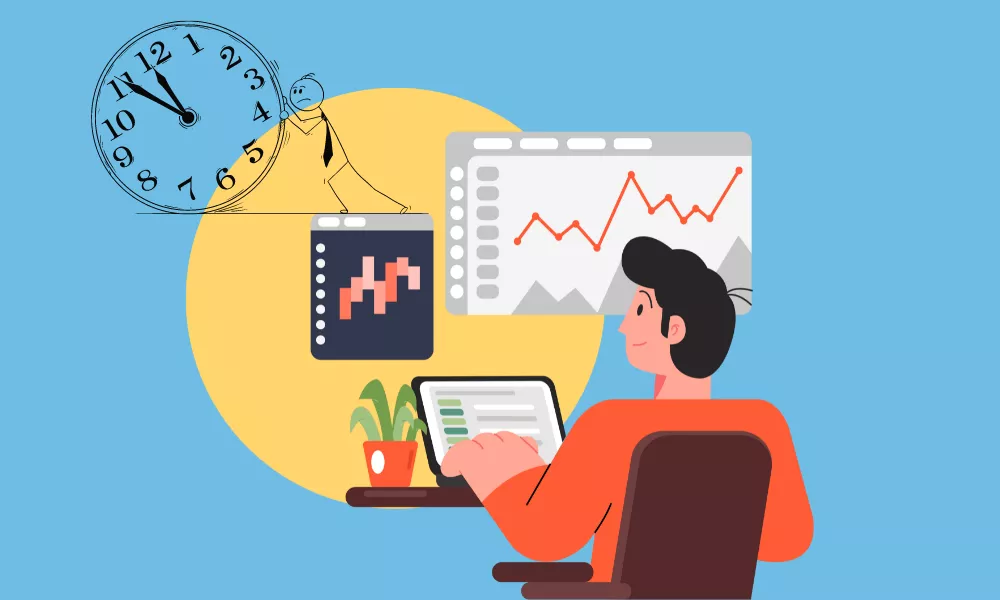
What is overtrading work?
Overtrading is conducting more business than a company's operating capital can support. When this occurs, a business typically runs out of cash, significantly increasing the risk of bankruptcy. An example of overtrading is when a company that wants to increase sales gives its customers easy credit with protracted payment conditions.
The result is that the company must pay for the products it sells to customers but will only receive revenue from those sales for a while, leaving it short on cash to pay suppliers. Regularly updating a cash projection and keeping an open line of credit with a lender are two ways to prevent overtrading.
KEY LESSONS
- Brokers who trade excessively for their client's accounts in order to earn commission fees are engaging in overtrading, which is against the law.
- Individual professional traders may overtrade as well, although the SEC does not regulate this kind of behavior.
- By adhering to best practices like self-awareness and risk management, individuals can significantly reduce their risk of overtrading.
Types of Overtrading by Investors
Self-regulation is the only way to stop someone from overtrading on their own account. The common types of overtrading that investors may participate in are listed below, and knowing about each one will help you become more self-aware.
Discretionary Overtrading:
The discretionary trader does not set restrictions for size changes and uses flexible position sizes and leverage. Even though this kind of flexibility can have its benefits, it usually ends up being the trader's undoing.
Technical Trading Excess:
Technical indicators are frequently used as a defense by traders who are just starting out in their trade careers. They already know what stance they want to take, so they hunt for evidence to support it and make themselves feel better.
Then they create a system, discover more indicators, and construct rules. Confirmation bias refers to this conduct, which over time, typically results in systemic losses.
slingshot overtrading:
Traders who are in need of action frequently adopt a "shotgun blast" strategy, purchasing anything and everything they believe might be worthwhile. Shotgun overtrading is characterized by the simultaneous opening of several small positions for which the trader has no clear strategy.
However, studying trade history and then inquiring as to why a specific trade was made at the time can lead to an even more certain diagnosis. A shotgun trader will need help to respond to such a query in detail.
Typical reasons for overtrading
Overtrading can result from a variety of causes, but some typical ones are as follows:
- Large capital investment before generating income
- Late payments on invoices from clients or customers. Nearly one in ten small firms in the UK claim that late payments endanger their viability.
- Accruing unforeseen costs.
- A rapid rise in demand or seasonal patterns in the business.
- A significant rise in stock.
- Spending a lot of money on a long-term contract before getting paid by the client.
- Minimizing the expense of doing business.
Impact of excessive trading
Overtrading can have a variety of negative repercussions on your money and the health of your company. If you're trying to fill orders without the requisite resources, overtrading can cause a ton of stress, which is one of its main impacts. Your workers may frequently experience this stress as well, which can make for a challenging work environment.
There's also a risk that your customers will eventually feel the effects. If you accept business that you can only do partially or to the required standard, you risk losing customers. In more challenging situations, you can even be subject to legal action for contract breach or non-fulfillment. This could harm your standing in the marketplace and make it hard for your business to recover from losses.
How to keep from overtrading
By consistently monitoring your cash flow, you may prevent overtrading. Instead of purchasing, think about leasing. Reduce your stock levels to lower the amount of working capital needed. Reduce the risk of late payments from your customers and work with your suppliers to improve payment terms. Here is more information on each of these actions.
1. Spend cash wisely.
To manage and forecast your cash flow more effectively, consider adopting accounting software or calling your accountant for assistance. You can identify and plan around any deficits or seasonal tendencies that could otherwise result in overtrading if you have clear monthly data on your cash reserves.
2. Renting rather than purchasing equipment
Instead of buying equipment outright, leasing it can help you avoid having to make significant upfront payments. Instead, you can spread out the payments over a number of months, giving you extra cash to pay your other monthly obligations. In some cases, leasing will be less expensive than buying.
3. reduce your stock levels.
According to Goodacre, "excess stock increases the operating capital your business needs."
To assist with stock management, a clever Electronic Point of Sale (EPOS) system is worthwhile to install. With the help of EPOS, you can easily keep track of all your transactions, from the purchase of items to their sale, so you can actively check stock levels and reduce them in response to demand.
4. Examine your business plan
Reduce the risk of late payment of payments by reexamining your business strategy. For instance, you can accept more payments upfront or think about switching to a subscription model to get payments more frequently.
By automating your routine bills, you'll also increase the likelihood that they'll be sent on time and that you'll be paid as soon as possible.
5. Bargain with vendors
To assist you in better monitoring and projecting your cash flow, consider negotiating by extending payment intervals or even raising payment frequency if your supplier's payment terms aren't working for your business.
As Goodacre puts it, "Ambition is good and must be promoted." However, expansion must be carefully considered, and you must be aware of the possibility of overtrading in order to take precautions against it. You will be better prepared to seize growth opportunities if you do this so that they will come your way more readily.
You have access to a 24-hour online business account management system with the American Express Business® Gold Card1, which makes it easier for you to maintain tabs on your balance, credit, and purchases in real-time for better visibility of your incomings and outgoings.
This will give you the information you need to protect your cash reserves month by month, ensuring that you always have money available to fulfill your payments and organize your spending.
Conclusion
- Excessive trading can reduce returns, which is overtrading.
- Some brokers and financial products, such as mutual funds, have their own restrictions on how frequently you can trade.
- Frequent trading can result in exorbitant expenses and may not align with an average investor's or trader's objectives.
Comments
Log in or sign up to join the conversation.