

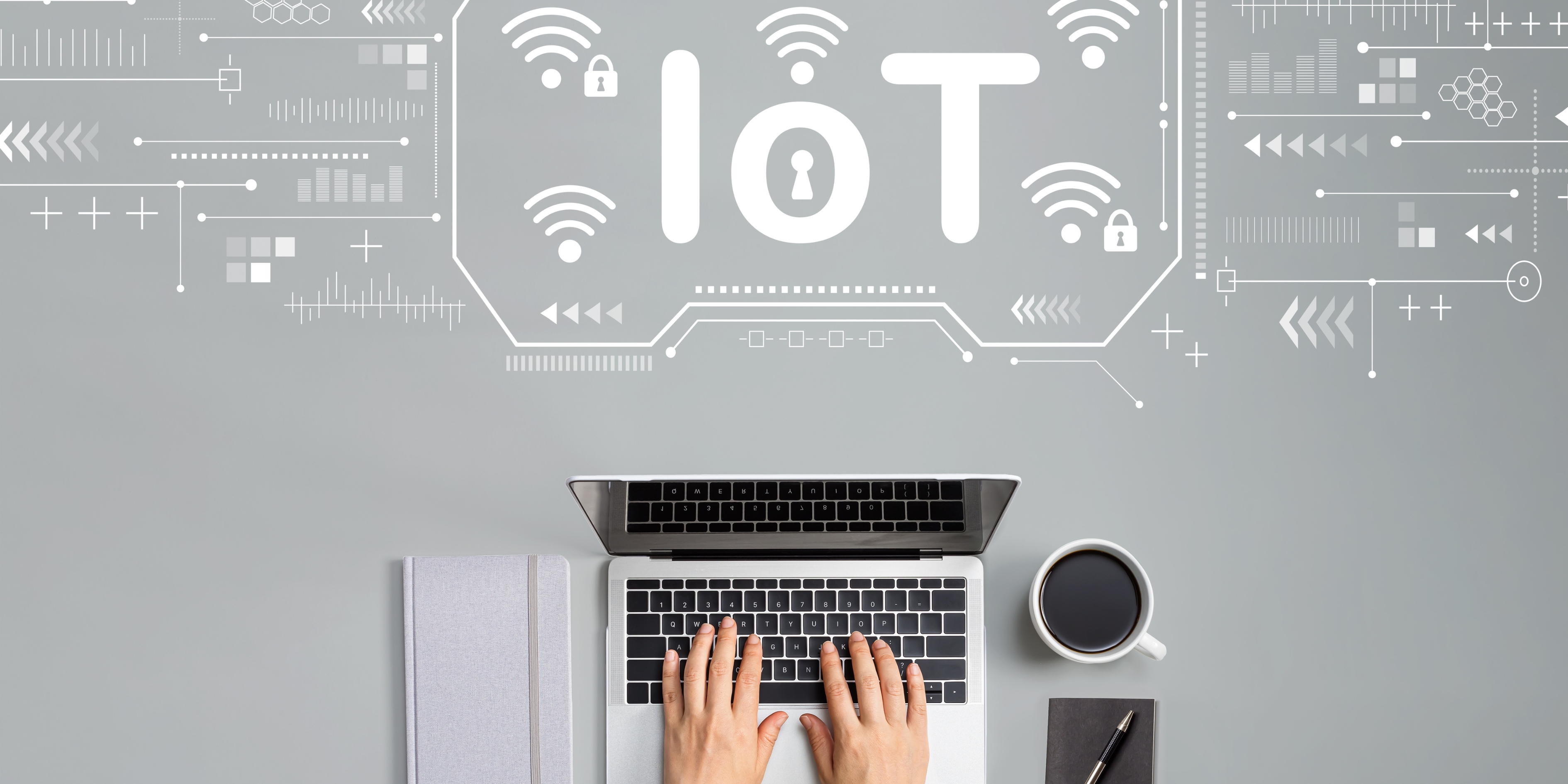
Industries are becoming more linked through smart devices, sensors, cloud platforms, mobile apps, automation systems, and real-time data. IoT development helps businesses monitor assets, decrease downtime, track operations, increase safety, and establish smarter customer experiences. IoT Analytics reported that linked IoT devices reached 21.1 billion worldwide in 2025, while Statista expects IoT connections to reach 22 billion in 2026. These numbers show why linked technology is now a serious business priority.
What Is IoT Development?
Many business leaders ask over, what is IoT development and how does it apply to real operations? IoT development is the procedure of developing connected systems where physical devices, sensors, software, cloud platforms, and applications link through the internet or private networks.
These systems gather data from devices, send it to cloud or edge platforms, process insights, initiate actions, and let users monitor or control equipment through dashboards, mobile apps, or web platforms.
How IoT Development Works
IoT development by and large links hardware, firmware, connectivity, backend systems, cloud infrastructure, databases, APIs, dashboards, analytics, and mobile or web applications. The system may gather sensor data, send alerts, automate rules, and add with existing business software.
Core components generally include:
Sensors and linked devices
Firmware and embedded software
Wi-Fi, Bluetooth, cellular, LoRaWAN, or private network connectivity
Cloud or edge computing platform
APIs and backend systems
Databases and data processing
Web or mobile dashboards
Security, authentication, and access control
Each component should work together to generate a reliable connected solution.
Why IoT Development Is Transforming Industries
IoT development is converting industries because it supports companies to move from reactive operations to data-driven and automated operations. Businesses can monitor conditions, identify issues, and act earlier rather than waiting for equipment failure.
Companies practice IoT to track inventory, monitor machines, optimize energy use, enhance safety, decrease inspections, and make faster decisions. McKinsey has assessed that IoT could unlock $5.5 trillion to $12.6 trillion in international economic value by 2030, indicating its long-term business potential.
Key Benefits of IoT Solutions
IoT solutions can strengthen practical operational advancements, that include:
Real-time asset monitoring
Predictive maintenance
Decreased downtime
Effective operational visibility
Automated alerts and actions
Enhanced safety and compliance
Intelligent customer experiences
Data-driven decision-making
Businesses should assess where manual monitoring, delayed reporting, or downtime is concerning performance.
IoT Development Services for Business Growth
IoT development services assist businesses in designing, developing, deploying, and maintaining linked systems. These services may involve IoT strategy, device integration, firmware support, cloud backend development, dashboards, mobile apps, API integrations, testing, security, and post-launch support.
Professional IoT development services are helpful when a business needs a custom system rather than a generic device platform.
Industries Using IoT Development
IoT is used across several sectors because almost every industry can benefit from automation and real-time visibility.
General use cases include:
Manufacturing: equipment monitoring and predictive maintenance
Healthcare: distant patient monitoring and smart medical devices
Logistics: fleet tracing and cold chain monitoring
Agriculture: intelligent irrigation and soil monitoring
Real estate: smart buildings and energy management
Retail: inventory tracking and customer analytics
Construction: equipment tracing and site safety monitoring
The best solution depends on device environment, data accurateness, connectivity, and integration needs.
Role of an Offshore Software Development Company in IoT Projects
An offshore software development company can facilitate businesses to access IoT software skills without developing a full internal team. Offshore teams may offer backend developers, mobile app developers, cloud engineers, dashboard developers, QA testers, and integration experts.
They can maintain IoT dashboards, APIs, mobile apps, cloud platforms, device data processing, reporting systems, and long-term maintenance.
IoT Development Process: What to Expect
The process starts with discovery and planning for use case. The team finds the business problems, device needs, data points, users, integrations, connectivity requirements, and anticipated outcomes.
At next stage, the architecture and prototype are planned. This contains hardware communication, cloud architecture, backend logic, database structure, dashboards, security, and prototype features.
During development and testing, teams create APIs, dashboards, alerts, automation workflows, and integrations. Testing should check device communication, data accurateness, performance, security, and usability.
After deployment, monitoring, firmware updates, cloud maintenance, bug fixes, and future improvements are necessary for IoT systems.
Common Challenges in IoT Development
IoT projects can become difficult when planning is weak. Usual challenges include device compatibility, unstable connectivity, poor data precision, security risks, cloud cost, scalability issues, weak dashboards, and lack of assimilation with business systems.
These risks can be decreased through proper architecture, testing, security planning, and experienced development support.
Conclusion
IoT development is converting industries by linking devices, gathering real-time data, automating operations, improving visibility, and sustaining smarter decisions.
IM Services provides support for Offshore WordPress development services, IoT development services, offshore software development support, dashboards, cloud platforms, mobile applications, integrations, and long-term digital product development. Businesses can review their operations, recognize automation opportunities, and define IoT needs before starting a connected solution.
FAQs
1. What is IoT development?
IoT development is the procedure of developing linked systems where devices, sensors, software, cloud platforms, and applications exchange data and support automation.
2. Why do businesses need IoT development services?
Businesses need IoT development services, because these services help businesses monitor assets, automate workflows, gather real-time data, enhance safety, decrease downtime, and make better decisions.
3. Which industries use IoT development?
IoT development is employed in manufacturing, healthcare, logistics, agriculture, construction, real estate, retail, energy, and smart city projects.
4. How can an offshore software development company support IoT projects?
An offshore software development company can offer backend developers, cloud engineers, mobile app developers, dashboard developers, QA testers, and integration experts for IoT projects.
Comments
Log in or sign up to join the conversation.