
Low-density lipoprotein (LDL) cholesterol is often referred to as "bad" cholesterol because high levels can contribute to plaque buildup inside the arteries. Over time, this process may increase the risk of coronary artery disease, heart attack, stroke, and other cardiovascular conditions. Many people have elevated LDL cholesterol without experiencing symptoms, making routine cholesterol testing especially important. Individuals searching for EECP therapy near me often discover that managing cholesterol is an essential part of protecting long-term heart health. Understanding what qualifies as dangerously high LDL cholesterol can help you take action before serious complications develop.
What Is LDL Cholesterol?
LDL cholesterol transports cholesterol from the liver to the body's cells. While cholesterol is necessary for hormone production, vitamin D synthesis, and healthy cell membranes, excessive LDL cholesterol can accumulate within artery walls. This buildup forms plaques that narrow blood vessels and reduce blood flow to the heart and brain. As plaques grow, they increase the likelihood of cardiovascular disease. Maintaining healthy LDL cholesterol levels is therefore a key component of preventive cardiology.
Why Is LDL Called "Bad" Cholesterol?
Unlike high-density lipoprotein (HDL), which helps remove excess cholesterol from the bloodstream, LDL contributes to plaque formation when levels become elevated. These plaques may harden over time, reducing arterial flexibility and restricting circulation. If a plaque ruptures, it can trigger the formation of a blood clot that blocks blood flow entirely. This blockage may result in a heart attack or stroke. Lowering LDL cholesterol is one of the most effective strategies for reducing cardiovascular risk.
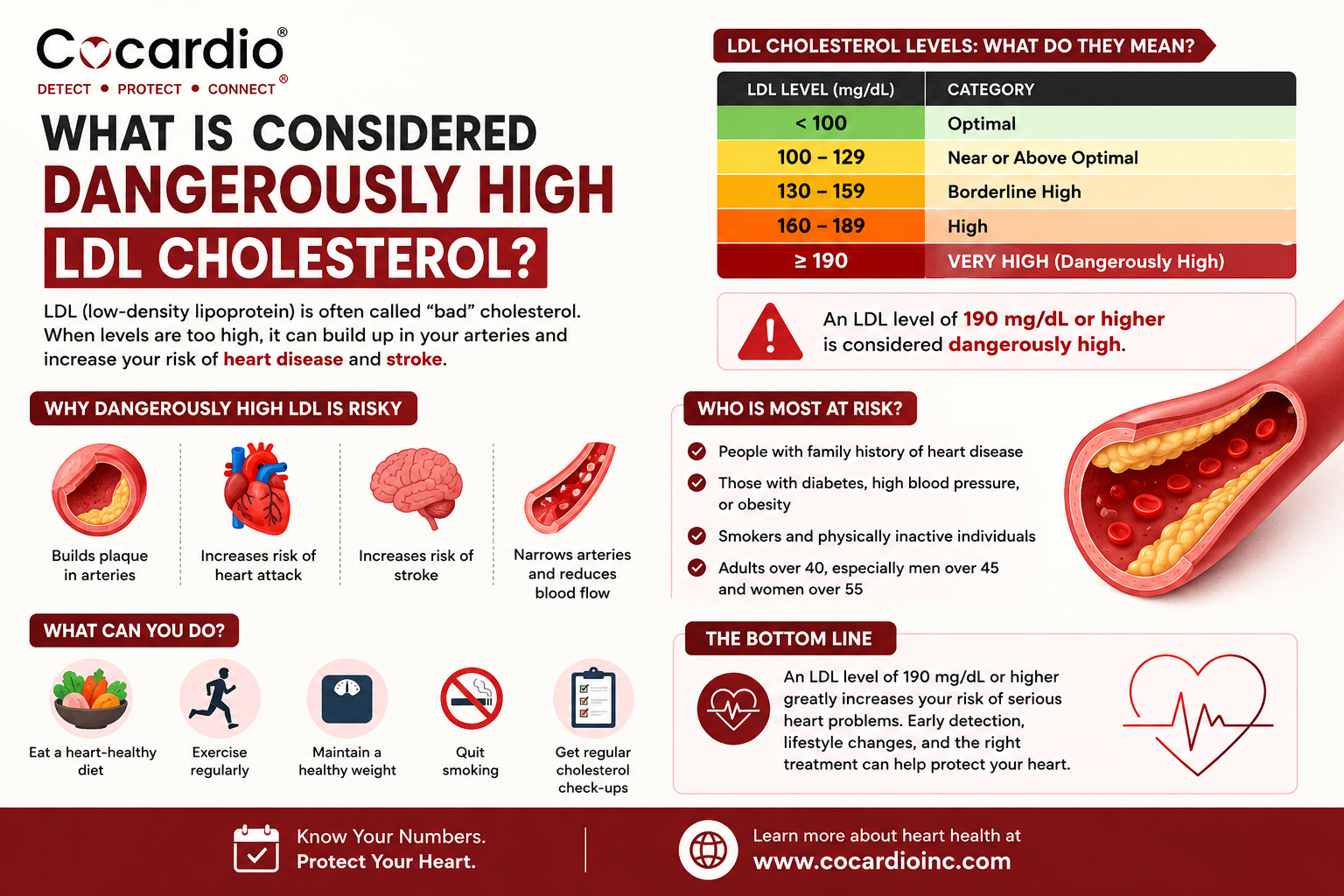
What Is Considered Dangerously High LDL Cholesterol?
According to the American Heart Association, LDL cholesterol levels are generally categorized as follows:
Less than 100 mg/dL – Optimal
100–129 mg/dL – Near optimal
130–159 mg/dL – Borderline high
160–189 mg/dL – High
190 mg/dL or higher – Very high (dangerously high)
An LDL cholesterol level of 190 mg/dL or above significantly increases the risk of cardiovascular disease and usually requires prompt medical evaluation and treatment. Individuals with diabetes, existing coronary artery disease, or multiple cardiovascular risk factors may need much lower LDL targets. Your healthcare provider will determine the appropriate goal based on your overall health and risk profile. (American Heart Association)
Does Everyone Have the Same LDL Goal?
No. LDL cholesterol goals vary depending on your medical history and cardiovascular risk. Someone with previous heart disease or diabetes may need a substantially lower LDL target than an otherwise healthy adult. Doctors often calculate your overall cardiovascular risk before recommending treatment. Family history, blood pressure, smoking, age, and kidney disease all influence your recommended cholesterol level. Personalized care provides a more accurate approach than relying on one laboratory number alone.
What Causes High LDL Cholesterol?
Several lifestyle and genetic factors contribute to elevated LDL cholesterol. Diets high in saturated fats, trans fats, and processed foods may increase cholesterol production. Physical inactivity, obesity, smoking, and uncontrolled diabetes also affect cholesterol metabolism. Some individuals inherit familial hypercholesterolemia, a genetic disorder that causes extremely high LDL cholesterol from an early age. Even healthy lifestyles cannot fully overcome inherited cholesterol disorders, making medical treatment essential for many patients.
Lifestyle Factors
Poor nutrition and lack of exercise often contribute to increasing LDL cholesterol over time. Excess body weight may also worsen blood pressure, blood sugar, and inflammation, further increasing cardiovascular risk. Smoking damages blood vessels and accelerates plaque formation. Limiting saturated fat intake, increasing dietary fiber, exercising regularly, and maintaining a healthy weight can support healthier cholesterol levels. Lifestyle changes remain an important part of every cholesterol management plan.
Familial Hypercholesterolemia
Familial hypercholesterolemia causes very high LDL cholesterol because the body cannot effectively remove LDL particles from circulation. People with this inherited condition may develop cardiovascular disease decades earlier than expected. Family members often have similar cholesterol patterns across multiple generations. Early diagnosis allows treatment to begin before severe artery damage develops. Anyone with exceptionally high LDL cholesterol should discuss the possibility of inherited cholesterol disorders with their physician.
Why High LDL Cholesterol Is Dangerous
High LDL cholesterol damages arteries gradually over many years. Plaques reduce blood flow, making it harder for oxygen-rich blood to reach the heart muscle. This process increases the likelihood of angina, heart attacks, peripheral artery disease, and stroke. Many patients remain symptom-free until significant blockage has already occurred. Early identification and treatment help reduce these long-term risks.
Plaque Buildup in the Arteries
Plaques consist of cholesterol, inflammatory cells, calcium, and other substances deposited within artery walls. As plaques enlarge, arteries become narrower and less flexible. Blood flow may decrease during physical activity when the heart requires additional oxygen. Eventually, a plaque may rupture and trigger a clot that suddenly blocks circulation. These events can become life-threatening emergencies requiring immediate medical attention.
Symptoms of High LDL Cholesterol
High LDL cholesterol itself rarely produces noticeable symptoms. Most people only discover elevated levels during routine blood work. However, advanced artery disease caused by prolonged high cholesterol may produce chest pain, shortness of breath, leg discomfort while walking, or stroke symptoms. Waiting for symptoms before checking cholesterol may delay treatment until significant cardiovascular damage has already occurred. Regular screening remains the safest approach.
When Should You Be Tested?
Adults should discuss cholesterol screening with their healthcare provider based on age, medical history, and cardiovascular risk. Individuals with diabetes, hypertension, obesity, smoking history, or strong family history of heart disease often require earlier and more frequent testing. Routine blood tests allow doctors to identify elevated cholesterol before symptoms appear. Early treatment may significantly reduce long-term cardiovascular complications. Screening recommendations vary depending on individual risk factors.
How Is High LDL Cholesterol Treated?
Treatment usually begins with lifestyle modification, including healthier eating habits, regular exercise, smoking cessation, and weight management. Many patients also require cholesterol-lowering medications such as statins or other lipid-lowering therapies. Blood pressure, diabetes, and other cardiovascular risks should be managed simultaneously. Ongoing monitoring helps determine whether treatment goals are being achieved. Successful cholesterol management combines medication with sustainable lifestyle improvements.
Diet and Exercise
Reducing saturated fats while increasing fruits, vegetables, whole grains, legumes, and healthy fats can improve cholesterol levels. Regular physical activity supports weight control and improves overall cardiovascular health. Even moderate exercise several days each week may contribute to better cholesterol management. Lifestyle improvements also reduce many other cardiovascular risk factors. Long-term consistency is more important than short periods of extreme dieting.
Can EECP Help Patients With High Cholesterol?
Some patients searching for EECP therapy near me already have coronary artery disease related to long-standing high cholesterol. EECP for high cholesterol is not intended to lower LDL cholesterol itself or replace cholesterol-lowering medication. Instead, CoCardio explains that EECP may be considered for eligible patients with cardiovascular disease while comprehensive risk-factor management continues. Cholesterol control remains essential regardless of whether additional therapies are recommended. Patients should continue all prescribed medications unless instructed otherwise by their physician.
EECP and Coronary Artery Disease
For eligible patients with chronic stable angina, EECP therapy for angina may be considered as part of a comprehensive treatment plan after appropriate medical evaluation. It should not replace cholesterol management, blood pressure control, diabetes treatment, or other evidence-based therapies. EECP addresses symptoms in selected patients rather than eliminating arterial plaque or lowering LDL cholesterol. Treatment decisions should always be individualized. Your cardiologist can determine whether EECP is appropriate for your condition.
Should You Search for EECP Therapy Near Me?
If you have coronary artery disease, chronic stable angina, or persistent cardiovascular symptoms despite appropriate treatment, discussing EECP therapy near me with a qualified cardiovascular provider may be appropriate. An evaluation typically includes reviewing your symptoms, medical history, medications, diagnostic testing, and overall cardiovascular health. Not every patient qualifies for EECP, and eligibility depends on individual clinical circumstances. Understanding the expected benefits, limitations, and treatment goals is important before beginning therapy. A consultation allows your provider to determine whether EECP fits into your broader care plan.
Understanding EECP Therapy Cost
Patients often ask about EECP therapy cost before starting treatment. Costs vary depending on the treatment plan, insurance coverage, provider, and individual clinical circumstances. Discussing financial considerations during your consultation helps you understand available options and potential coverage. Your treatment decision should be based primarily on medical appropriateness rather than cost alone. Your healthcare provider and insurance company can explain the financial details specific to your situation.
Preventing High LDL Cholesterol
Prevention begins with healthy daily habits supported by regular medical care. Eating a heart-healthy diet, remaining physically active, avoiding tobacco, limiting alcohol, and maintaining a healthy body weight all contribute to healthier cholesterol levels. Routine cholesterol testing helps identify problems before symptoms develop. Individuals with inherited cholesterol disorders benefit from earlier diagnosis and treatment. Preventive care remains one of the most effective ways to reduce future cardiovascular disease.
Conclusion
Dangerously high LDL cholesterol—generally 190 mg/dL or higher—substantially increases the risk of coronary artery disease, heart attack, and stroke. Because elevated cholesterol often develops silently, routine screening and early treatment are essential. Lifestyle changes, medications, and ongoing cardiovascular care work together to lower risk and improve long-term health. Patients searching for EECP therapy near me should understand that EECP does not replace cholesterol-lowering treatment but may be considered for selected individuals with chronic stable cardiovascular disease. Working closely with your healthcare team provides the best opportunity to manage cholesterol and protect your heart for years to come.
Medical Disclaimer
This article is intended for educational purposes only and should not be considered medical advice, diagnosis, or treatment. Always consult a qualified physician or cardiologist regarding your individual health concerns, cholesterol management, or eligibility for EECP therapy. Never delay seeking emergency medical care for symptoms such as severe chest pain, shortness of breath, stroke symptoms, or other signs of a medical emergency.
Comments
Log in or sign up to join the conversation.