

Chamfer Tool Guide: Uses, Types, and Key Benefits
In modern manufacturing and machining, precision is essential for producing high-quality components. One important finishing operation that helps achieve accuracy and safety is chamfering. Whether working with metal, plastic, or wood, creating smooth beveled edges improves both functionality and appearance. This is where a chamfer tool becomes an essential part of the machining process.
Chamfering removes sharp corners from a workpiece and creates angled edges that improve assembly, reduce stress concentration, and enhance overall product quality. Industries such as aerospace, automotive, woodworking, and precision engineering rely heavily on chamfering operations to ensure consistent and professional results.
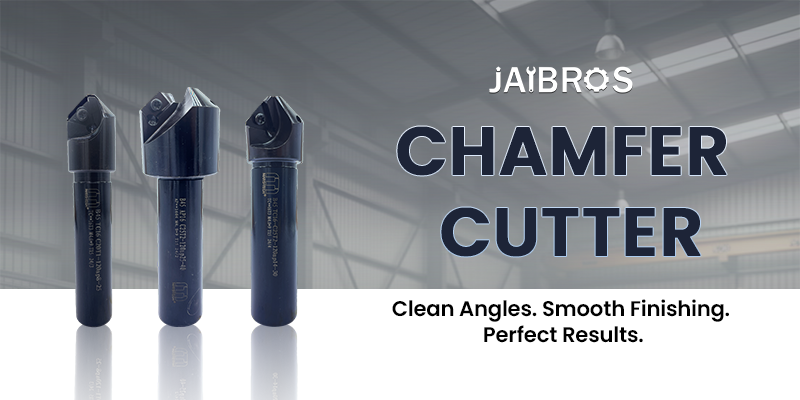
What Is a Chamfer Tool?
A chamfer tool is a cutting instrument used to create a beveled edge between two surfaces of a workpiece. Instead of leaving a sharp 90-degree corner, the tool removes material at a specific angle, usually 45 degrees, to form a smooth transition.
The primary purpose of a chamfer tool is to improve edge quality while making components safer to handle and easier to assemble. Chamfering can be performed manually or using CNC machines, lathes, milling machines, and specialized edge-finishing equipment.
This process is commonly used during final machining operations to prepare parts for assembly, welding, coating, or inspection.
Why Is Chamfering Important?
Chamfering is much more than a cosmetic finishing process. It provides several practical advantages that directly affect product performance and manufacturing efficiency.
Improved Safety
Sharp edges can cause injuries during handling and assembly. Chamfering eliminates these hazards by creating smooth, safe edges.
Better Assembly
Components often fit together more easily when edges are chamfered. The angled surface helps guide mating parts into position.
Reduced Material Stress
Sharp corners can become points of stress concentration. Chamfered edges distribute stress more evenly, improving durability.
Enhanced Appearance
Finished products with clean beveled edges look more professional and attractive.
Improved Coating and Finishing
Chamfered surfaces help paints, coatings, and surface treatments adhere more uniformly.
How Does a Chamfering Tool Work?
The tool operates by cutting away material at a specific angle from the edge of a workpiece. Depending on the machine setup, chamfering can occur during milling, turning, drilling, or dedicated finishing operations.
The cutting edge engages the material and gradually removes a controlled amount to create the desired bevel. CNC systems allow precise control over chamfer dimensions, ensuring consistency across multiple parts.
In manufacturing environments, a properly selected chamfer tool helps maintain dimensional accuracy while reducing secondary finishing operations.
Common Uses of Chamfering Tools
Chamfering tools are used across many industries and applications.
Edge Breaking
One of the most common applications is removing sharp edges after machining.
Deburring
Machining often leaves small burrs on component edges. Chamfering removes these imperfections and improves part quality.
Assembly Preparation
Chamfered edges allow easier insertion of fasteners, bearings, shafts, and other components.
Weld Preparation
Beveled edges improve weld penetration and joint strength in fabrication projects.
Surface Finishing
Chamfering contributes to a more polished and professional appearance.
Thread Entry Preparation
Creating a beveled edge at the start of a threaded hole helps guide screws and bolts during assembly.
Types of Chamfering Tools
Various chamfering tools are available depending on the application and machine type.
Standard Chamfer Mills
These are among the most widely used options for creating beveled edges in CNC machining. They are available in different diameters and angles to suit various applications.
Spotting and Chamfer Combination Tools
These tools perform spotting and chamfering operations in a single setup, improving productivity and reducing cycle times.
Back Chamfering Tools
A back chamfer tool is specifically designed to machine difficult-to-access surfaces located behind holes or internal features. These tools are particularly useful in aerospace and precision engineering applications.
Countersink Tools
Countersinks are often used to create chamfered openings for flat-head screws and fasteners.
Indexable Chamfer Tools
These tools use replaceable inserts, making them cost-effective for high-volume manufacturing environments.
Chamfering in CNC Machining
Modern production facilities frequently use a dedicated chamfer tool cnc setup to ensure consistent and repeatable edge finishing.
CNC-controlled chamfering offers several advantages:
High precision
Improved repeatability
Faster production
Reduced operator error
Better surface finish
Automated chamfering is particularly valuable in industries where tight tolerances and quality standards must be maintained.
Chamfering on Lathes
Turning operations often require edge finishing on cylindrical parts.
A chamfer tool lathe is designed specifically for creating angled edges during turning operations. These tools help remove burrs, improve appearance, and prepare components for assembly without requiring secondary machining processes.
Lathe chamfering is commonly used in shaft manufacturing, threaded components, and precision turned parts.
Chamfering in Woodworking
Chamfering is not limited to metalworking.
A chamfer tool for wood is widely used in furniture manufacturing, cabinetry, decorative woodworking, and carpentry projects. Woodworkers use chamfered edges to improve aesthetics while reducing the risk of splintering and edge damage.
Wood chamfering can be performed using routers, hand tools, or specialized woodworking machines.
Factors to Consider When Choosing a Chamfering Tool
Selecting the right tool requires careful evaluation of several factors.
Material Type
Different materials require different cutting geometries and coatings.
Chamfer Angle
Common angles include:
30°
45°
60°
90°
The required angle depends on engineering specifications and application needs.
Tool Material
Carbide and high-speed steel are the most common options.
Carbide offers:
Longer tool life
Higher cutting speeds
Better wear resistance
Machine Compatibility
Always ensure compatibility with your machine spindle, tool holder, and operating parameters.
Production Volume
High-volume manufacturing often benefits from indexable tooling systems due to lower operating costs.
Benefits of Using Chamfering Tools
Investing in the right chamfering solution offers numerous advantages.
Increased Productivity
Efficient cutting geometries reduce machining time and improve throughput.
Better Part Quality
Consistent edge finishing improves product appearance and dimensional accuracy.
Longer Tool Life
Modern tool designs and coatings reduce wear and extend service life.
Lower Production Costs
Reduced rework and secondary finishing operations help minimize manufacturing expenses.
Enhanced Safety
Removing sharp edges protects workers during handling and assembly.
A quality chamfer tool contributes significantly to achieving these operational benefits.
Common Mistakes to Avoid
Manufacturers often encounter problems when chamfering tools are improperly selected or used.
Using the Wrong Angle
Incorrect chamfer angles can result in rejected parts and assembly issues.
Ignoring Material Requirements
Tool selection should always match the material being machined.
Poor Speed and Feed Settings
Improper cutting parameters can shorten tool life and reduce surface quality.
Neglecting Tool Maintenance
Regular inspection and replacement prevent poor machining performance.
Future Trends in Chamfering Technology
As manufacturing becomes increasingly automated, chamfering technology continues to evolve.
Emerging developments include:
Advanced carbide grades
Improved coating technologies
Smart tool monitoring systems
Automated tool measurement
High-performance CNC integration
These innovations help manufacturers improve productivity while maintaining exceptional quality standards.
Conclusion
A chamfer tool plays a vital role in modern machining by creating smooth beveled edges that improve safety, assembly, durability, and appearance. From basic edge breaking to advanced CNC operations, chamfering tools help manufacturers achieve consistent and professional results across a wide range of materials and industries.
Whether you're working with a simple tool chamfer application, machining precision metal components, or handling specialized internal features, choosing the right chamfering solution can significantly improve efficiency and product quality. Understanding the different types, applications, and benefits ensures you can make informed tooling decisions for any machining project.
Frequently Asked Questions (FAQs)
1. What is the main purpose of a chamfering tool?
A chamfering tool is used to remove sharp edges and create beveled surfaces that improve safety, assembly, and appearance.
2. What is the difference between chamfering and deburring?
Deburring removes burrs and rough edges, while chamfering creates a defined angled edge on the workpiece.
3. Where is a back chamfer tool commonly used?
Back chamfering tools are used for machining internal or hard-to-reach surfaces behind holes and complex features.
4. Can chamfering tools be used on wood?
Yes, specialized chamfering tools are commonly used in woodworking for decorative edge finishing and improved durability.
5. Why is CNC chamfering preferred in manufacturing?
CNC chamfering provides higher precision, repeatability, faster production, and consistent quality across multiple parts.
Comments
Log in or sign up to join the conversation.