


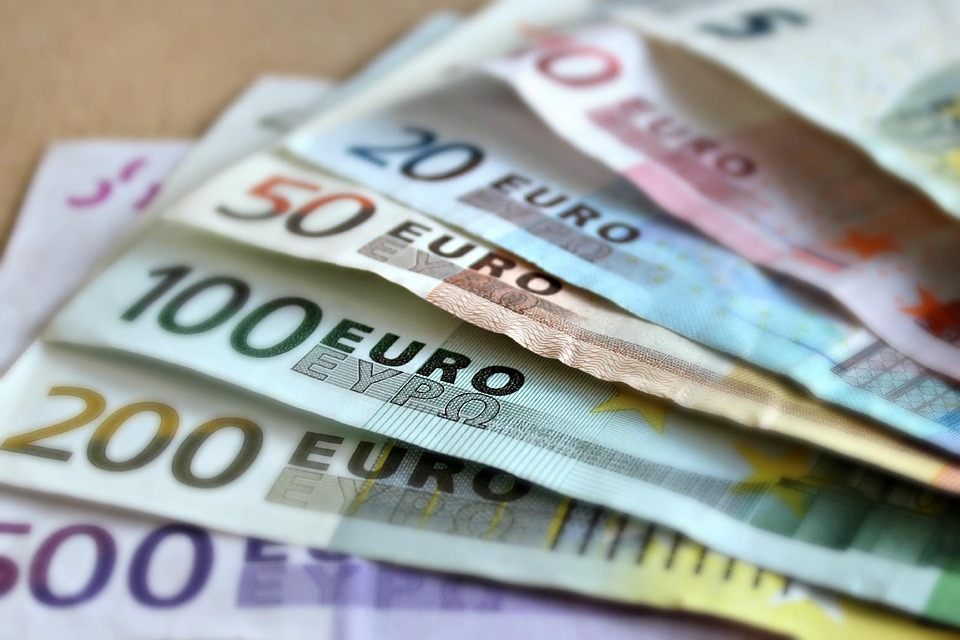
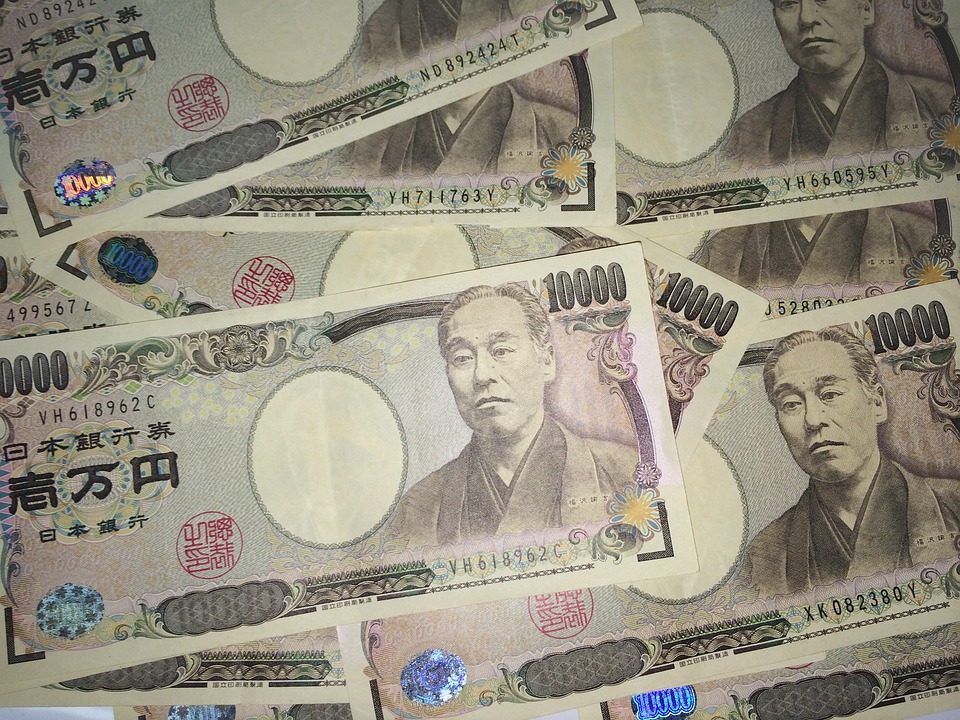
One of the most crucial factors when it comes to a country’s economic well-being is its Foreign Exchange rate (forex). This factor provides economic strength, which is the main reason why it is thoroughly analyzed and watched constantly. When it comes to sending or receiving money from abroad, you may need to keep track of the exchange rates.
Exchange rates are determined by the rate at which a country’s currency may be changed into another. It may likely fluctuate daily with the altering market interference of supply and demand of currencies from one country to another. Therefore, it is crucial to have an understanding of what determines exchange rates.
In this article, we examine some of the main factors that have an impact on the fluctuations and differences in exchange rates and explain the causes behind their volatility, helping you understand the ideal time to send money overseas.
Inflation
The changes in currency exchange rates are caused by changes in market inflation. A country that consists of a lesser inflation rate than another country will have a higher rate of value in its currency. The cost of services and merchandise increases at a slower rate where there is low inflation. A country that has a frequently low inflation rate presents an increasing currency value whereas a country that has a higher inflation rate usually has a downturn in its currency value and is typically followed by higher interest rates.
Interest rate
The changes in interest rate have an impact on the currency value and exchange rate of the dollar. Interest rates, forex rates, and inflation are all tied in. Rises in interest rates generate a value to a country’s currency due to the higher interest rates that provide higher rates to lenders, resulting in attracting additional foreign capital, which generates an increase in exchange rates.
Current Account Deficit
The current account is the balance of trade that takes place between the country and its trading partners. This factor reflects all payments between countries for merchandise, interest, services, and dividends. In the current account, A deficit exists due to spending more of its currency on importing products that it is taking in through earnings which causes depreciation.
Public Debt
Countries tend to borrow money to fund projects in the public section to fuel their economy. On the other hand, countries with great public deficits are less likely to attract foreign investors, since larger debt causes larger inflation which develops devaluation of their currency. Furthermore, a great debt can cause significant concern in foreign investors, as they may question the financial competence of the country and sell their bonds with the devaluation of the currency.
Terms of Trade
Terms of trade calculate the comparable development of the costs of exports and imports of a certain country, showing the development of the price of the products exported from these countries. If there is a larger rise in the cost of a country’s exports rather than of its imports, its terms of trade will have improved significantly when compared to that of its trading partners. This results in a rise in export income by providing more demand for the currency of the country and the following rise in value, which causes an increase in the exchange rate of the currency.
Solid Economic Performance
Foreign investors tend to look for countries that contain solid economic performance and stability in which they invest their money. A country that consists of such encouraging aspects will remove investment funds from countries that are regarded to contain more economic and political risk. Political uproar, for instance, can cause discouragement in a currency and a transfer of funds to the currencies of countries that have more stability.
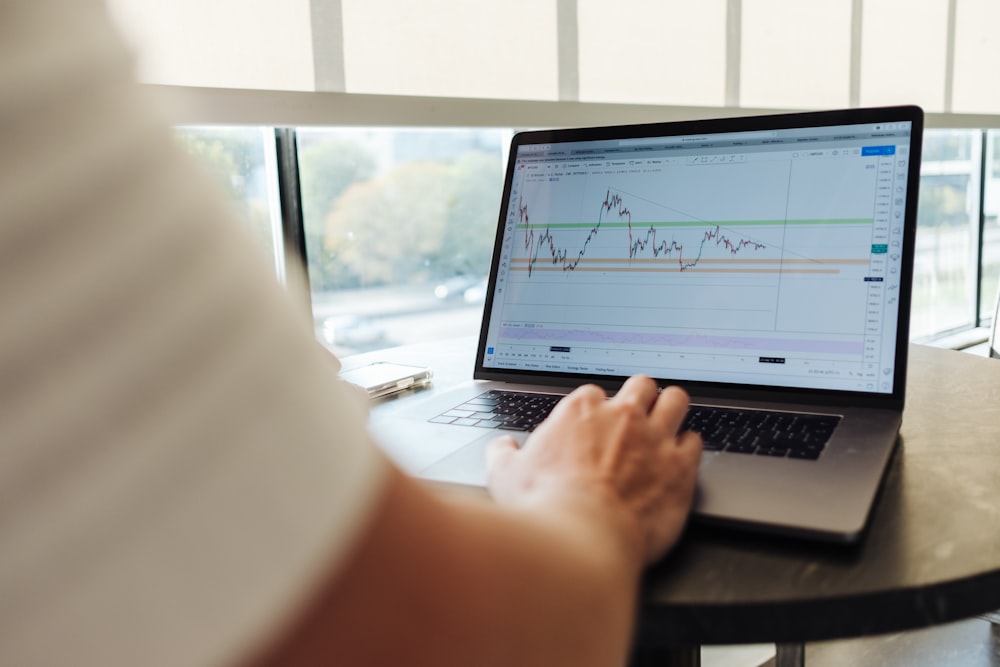
At the end of the day, the future of the foreign exchange rate fluctuations is determined by all these factors. If an investor sends and receives money regularly, keeping track of these factors will help the investor build a better understanding of how currency values and exchange rates function in the rate of return on their investments.
Comments
Log in or sign up to join the conversation.