
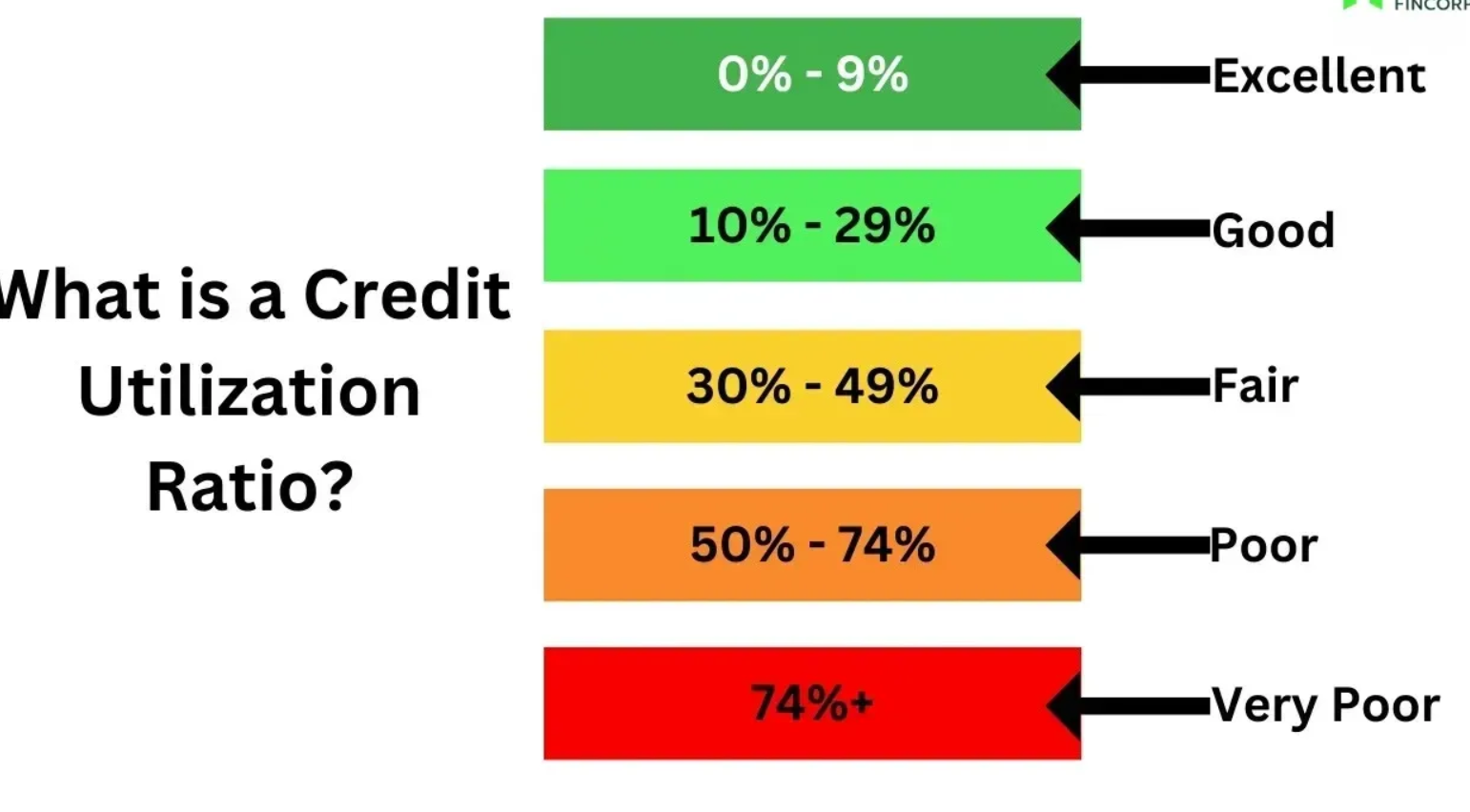
Credit utilization sounds technical, but it is basically a snapshot of how “full” your available credit is at a given moment. Think of it less like a personality judgment and more like a photo that lenders and scoring models can see when your accounts report.
That is why credit utilization can feel confusing. You might pay on time, feel responsible, and still watch your score wobble. Often, it is not because you did anything wrong. It is because the photo was taken when your balance was higher than you expected.
If high balances and interest are already creating pressure, you might be thinking about broader options to stabilize things. Resources like debt relief in Texas can be one path to explore. Either way, understanding what credit utilization really measures gives you more control, because you can work with the system instead of guessing what it wants.
Credit Utilization Is a Ratio, Not A Moral Verdict
Credit utilization is the percentage of your available revolving credit you are using. Revolving credit usually means credit cards and lines of credit, where you can borrow, repay, and borrow again up to a limit.
The basic formula is simple:
Balance ÷ Credit limit = Utilization rate
If you have a credit card with a $1,000 limit and a $300 balance, your utilization on that card is 30 percent. If you have multiple cards, there is also an overall utilization rate across all cards combined.
This is why utilization gets so much attention. It is one of the clearest signals of how much you are leaning on credit right now.
The Less Common Detail: Utilization Is Often a “Timing” Issue
Here is where most people get tripped up. Many assume utilization is calculated based on what they carry after they pay, or what they owe on the due date. But what usually matters is what gets reported to the credit bureaus, and that reporting often happens around your statement closing date.
So you can pay in full every month and still show high utilization if the balance is high when the statement closes. Your report might capture a moment when you just booked travel, covered a big expense, or ran normal spending through the card for points.
That is why utilization can change fast, and why scores can bounce even when your habits have not changed. You are looking at different snapshots.
Why Low Utilization Helps Your Credit Health
A low utilization rate generally signals that you are not relying heavily on credit, and that you have breathing room. From a lender’s point of view, someone who regularly uses most of their available credit can look riskier, even if they pay on time, because it suggests tighter cash flow or less flexibility if an emergency hits.
Credit scoring models try to predict risk. Utilization is one way they estimate how stretched you might be.
A common rule of thumb is to keep utilization low, often under 30 percent. Many people aim even lower for the strongest results, but the most practical goal is consistency and keeping it out of the high ranges.
For a consumer-friendly explanation of what goes into credit scores, including how borrowing and balances can affect them, the Consumer Financial Protection Bureau has a helpful overview of what a credit score is and what influences it.
Individual Card Utilization vs Overall Utilization
There are two lenses to watch:
Individual utilization: How much you use on each card compared to its limit. One card near max can raise flags, even if your total across cards is moderate.
Overall utilization: All revolving balances combined divided by all revolving limits combined.
People sometimes focus only on the overall number, then wonder why their score is not improving. If one card is consistently high, it can still weigh on the snapshot lenders see.
A simple fix can be spreading spending across cards, if you have more than one, or making an extra payment before the statement closes on the card that tends to run high.
Utilization Is Not About Debt Type, It Is About Revolving Credit
Utilization is mainly tied to revolving accounts. Installment loans, like auto loans, student loans, or many personal loans, work differently. They have a set balance and a set payment schedule, and the concept of “utilization” does not function the same way there.
That said, revolving utilization often has an outsized impact because it changes month to month and reflects day to day borrowing behavior.
So if you are trying to improve your credit profile, focusing on credit card and line of credit balances is usually where you can see changes fastest.
Why Paying Early Can Matter More Than Paying On Time
Paying on time is still critical. But for utilization, timing can be just as important as the payment itself.
Two people can both pay their credit card in full by the due date. One pays the day after the statement closes, and their report shows a high balance for that month. The other pays before the statement closes, and their report shows a low balance. Same responsibility, different snapshot.
If you are trying to qualify for a mortgage, a rental, or a refinance soon, it can be worth paying down balances before statements close for a couple of cycles. It is not a trick. It is simply choosing when the photo gets taken.
What Can Raise Utilization Even When You Feel Disciplined
A few very normal situations can make utilization jump:
● A large one time purchase you plan to pay off
● A reduced credit limit from the issuer
● Closing an old card, which reduces your total available credit
● Putting all spending on one rewards card for simplicity
● Carrying a balance during a high expense season
None of these automatically mean you are in trouble. They just change the ratio. The key is noticing the ratio and adjusting if you need your credit profile to look stronger in the near term.
How To Check Your Utilization In Real Life
You can estimate utilization by looking at your current balance and credit limit for each card. But remember the “snapshot” point. What matters on your credit report is what is reported, not always what you see on a random day.
That is why reviewing your credit reports can be useful. It shows the balances and limits that are actually being reported.
A reliable way to access your official credit reports is through AnnualCreditReport.com, the federally authorized site for free credit reports. It helps you confirm that the numbers being reported match what you expect.
Practical Ways To Keep Utilization Lower Without Feeling Deprived
Lowering utilization does not have to mean never using your cards. It often means adjusting mechanics:
● Make a mid-month payment if your balances climb quickly.
● Pay before the statement closing date, not only by the due date.
● Ask for a credit limit increase if your income and history support it, and if you can avoid increasing spending.
● Spread spending across cards rather than running one card hot.
● Focus on paying down high balance cards first, especially those near their limit.
If debt balances are already heavy, the best strategy might be a broader plan that reduces interest and stabilizes cash flow, not just small timing tweaks. Utilization is a tool, but it is not the whole picture.
The Big Takeaway
Credit utilization really means how much of your available revolving credit you are using, and it matters because it signals how stretched your credit is at the moment it gets reported. Keeping it low supports stronger credit health and a more favorable credit profile.
Once you understand that utilization is often a snapshot, you can stop guessing and start managing it intentionally. That is where the stress drops and the results get more predictable.
Comments
Log in or sign up to join the conversation.