
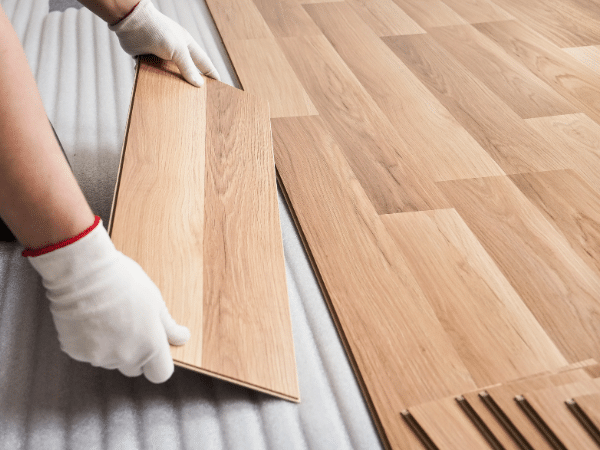
A new floor should be a long-term investment, but flooring does not always age as expected. In Houston homes, moisture, humidity, temperature changes, installation mistakes, and unsuitable materials can all shorten the life of a floor. Sometimes the problem is obvious, such as buckling or cracked tiles. In other cases, the damage develops slowly underneath the surface before homeowners realize something is wrong.
Understanding why flooring fails early can help homeowners make better decisions before installation and recognize problems before they become expensive repairs.
Excess Moisture in the Subfloor
Moisture is one of the most important factors affecting flooring performance. A floor can look completely dry on the surface while moisture remains trapped in the concrete slab or subfloor underneath. When flooring is installed over a damp surface, that moisture can move into the flooring material and cause swelling, warping, adhesive failure, discoloration, or mold-related problems.
This is particularly important for wood and wood-based products. Engineered wood and laminate can react differently from solid hardwood, but neither should be installed without considering the moisture conditions of the site.
Before installation, the subfloor should be checked using an appropriate moisture-testing method. The acceptable moisture level depends on the flooring product and installation system, so the manufacturer's requirements should be followed.
Houston's Humid Climate
Houston's climate creates another challenge for flooring. High humidity can affect materials that naturally absorb and release moisture. Wood flooring, for example, can expand when it absorbs moisture and contract when conditions become drier. Repeated changes can contribute to gaps, cupping, crowning, or other dimensional problems.
Indoor conditions matter just as much as outdoor weather. Air conditioning helps regulate indoor humidity, but homes can still experience localized moisture around bathrooms, kitchens, entrances, poorly ventilated spaces, or areas affected by leaks.
Maintaining relatively stable indoor humidity is therefore an important part of protecting moisture-sensitive flooring.
Poor Subfloor Preparation
Many flooring problems that appear to be installation failures actually begin underneath the flooring. The subfloor needs to be suitable for the chosen material. It may need to be cleaned, leveled, repaired, dried, or otherwise prepared before installation.
An uneven subfloor can create hollow areas beneath tile, movement in floating floors, uneven wear, or visible imperfections. For resilient flooring and other thin materials, even small irregularities can become noticeable after installation.
A professional installer should identify significant subfloor problems before the new flooring is installed rather than simply covering them.
Installing Flooring on an Uneven Surface
Flooring materials are not designed to correct major variations in the surface beneath them. For example, ceramic and porcelain tiles require a properly prepared substrate because movement or uneven support can contribute to cracked grout or broken tiles. Floating floors can also feel unstable when installed over an excessively uneven surface.
Leveling and flattening are not necessarily the same thing. A floor may not need to be perfectly level, but it generally needs to meet the flatness requirements of the flooring system being installed. Following the manufacturer's installation specifications is essential.
Choosing the Wrong Flooring for the Room
There is no single flooring material that is ideal for every room. A busy hallway needs a different performance profile from a quiet bedroom. Bathrooms and laundry areas require careful consideration of water exposure, while kitchens need flooring that can handle spills, cleaning, and frequent foot traffic.
Before choosing a material, consider:
Expected foot traffic
Moisture exposure
Cleaning requirements
Pets and children
Direct sunlight
Furniture loads
Maintenance expectations
Subfloor type
Choosing based only on appearance can lead to disappointment if the material is not appropriate for the room.
Poor Installation Practices
Even a high-quality flooring product can fail when installation is rushed or performed incorrectly. Different flooring systems have specific requirements for adhesive application, expansion gaps, fastener placement, underlayment, seam treatment, acclimation, and substrate preparation.
For example, some wood flooring products need to acclimate to the indoor environment before installation. Floating floors may require adequate expansion space around walls and fixed objects. Tile installations require appropriate substrate preparation and setting materials.
These details may not be visible when the project is complete, but they can have a major effect on how the floor performs months or years later.
Ignoring Expansion and Movement
Flooring materials move. Wood expands and contracts with changes in moisture content. Other materials can also experience dimensional changes due to temperature or environmental conditions.
If a flooring system does not have adequate room to accommodate expected movement, pressure can build up. In floating flooring systems, insufficient expansion space can contribute to buckling or lifting.
This is why expansion gaps should not simply be removed because they are inconvenient or visually undesirable. Proper trim and transition details are designed to conceal these necessary spaces.
Water Leaks Can Cause Hidden Damage
A leaking dishwasher, refrigerator line, washing machine, toilet, pipe, or roof can expose flooring to water for an extended period.
The longer moisture remains, the greater the chance of damage to both the flooring and the underlying materials. Some flooring surfaces may appear fine even though the subfloor has absorbed water.
If flooring suddenly begins to swell, discolor, separate, or develop an unusual odor, look for the source rather than simply replacing the visible damaged section. Fixing the leak and assessing the underlying substrate should come before installing replacement flooring.
Heavy Traffic and Improper Maintenance
Not every flooring failure is related to installation. High-traffic areas naturally experience more wear. Dirt and grit brought indoors can act like abrasives, gradually scratching certain surfaces. Furniture can also leave dents or marks when moved incorrectly.
Maintenance should match the flooring material. Using excessive water on moisture-sensitive flooring, applying unsuitable cleaning products, or ignoring spills can shorten its service life.
Simple habits such as using entrance mats, cleaning spills promptly, adding protective pads under furniture, and following the flooring manufacturer's cleaning recommendations can make a meaningful difference.
Direct Sunlight and Temperature Changes
Sunlight can affect some flooring materials over time. Repeated exposure to ultraviolet light can cause certain finishes and flooring surfaces to fade or change color. Large windows and glass doors can therefore create noticeable differences between areas exposed to direct sunlight and areas that remain shaded.
Window coverings, appropriate UV protection, and selecting flooring with suitable color-stability characteristics can help reduce the effect. Temperature changes can also influence some flooring systems, particularly when combined with changes in humidity.
Why Professional Installation Matters
Quality installation is not simply about making the finished floor look attractive on the day the project is completed. It is about preparing the surface correctly and following the technical requirements of the flooring product.
This is where quality flooring services in Houston, TX can provide value when the work includes proper site evaluation, subfloor preparation, material-specific installation, and attention to moisture and movement.
A professional approach should begin before materials are placed. The installer should understand the existing floor, identify potential problems, confirm that the selected material is appropriate, and follow the product's installation requirements. That preparation can prevent many problems that would otherwise become expensive callbacks.
What Homeowners Should Check Before Installation
Before approving a flooring installation, ask a few practical questions. First, how will the subfloor be inspected? If moisture is a concern, ask what type of moisture testing is appropriate for the flooring being installed.
Next, ask whether the existing floor needs leveling, repair, removal, or additional preparation. You should also understand how the material will be handled before installation. Some products have specific temperature, humidity, or acclimation requirements.
Finally, ask what maintenance the manufacturer recommends. Knowing how to care for the floor from the beginning can help protect your investment.
5 Frequently Asked Questions
1. Why does flooring buckle in Houston homes?
Excess moisture and inadequate expansion space are common causes of buckling. Moisture can enter from the subfloor, plumbing leaks, or elevated indoor humidity, while insufficient room for normal material movement can cause pressure to build beneath the flooring.
2. Should a concrete floor be tested for moisture before flooring installation?
Yes, when the flooring system requires moisture control. Concrete can contain moisture that is not obvious from its appearance. The appropriate test and acceptable moisture level depend on the flooring material and manufacturer's installation requirements.
3. Can new flooring be installed over an uneven subfloor?
Only if the existing surface meets the flooring manufacturer's requirements. Significant unevenness should normally be corrected before installation. Covering an unsuitable subfloor can lead to movement, cracked finishes, premature wear, or visible imperfections.
4. How can homeowners protect flooring from Houston's humidity?
Keep indoor humidity reasonably stable, repair leaks quickly, control moisture in kitchens and bathrooms, and follow the flooring manufacturer's maintenance recommendations. Moisture-sensitive materials benefit from consistent indoor environmental conditions.
5. Is expensive flooring less likely to fail?
Not necessarily. A premium flooring product can still fail when it is installed over a damp or uneven subfloor or maintained incorrectly. Long-term performance depends on the combination of appropriate material selection, proper preparation, correct installation, and suitable maintenance.
Final Words
Early flooring failure is rarely caused by one simple factor. Moisture, subfloor conditions, installation quality, material selection, environmental changes, and maintenance can all influence how long a floor performs.
The most effective approach is to address potential problems before installation rather than waiting for visible damage to appear. A dry and properly prepared subfloor, suitable flooring material, correct installation methods, and consistent maintenance provide a much stronger foundation for long-term performance.
For Houston homeowners, paying particular attention to moisture and humidity is especially important. A floor that is selected and installed with the actual conditions of the home in mind is far more likely to remain comfortable, attractive, and functional for years.
Comments
Log in or sign up to join the conversation.