

Power washing is commonly used to remove dirt, stains, algae, mold, mildew, and other buildup from outdoor surfaces. Over time, these materials can collect on different parts of a home because of rain, humidity, changing temperatures, vehicle pollution, and everyday outdoor exposure. Knowing which areas need cleaning can help homeowners understand where exterior dirt is most likely to build up.
For homeowners researching house power washing Passaic County NJ, it is important to look beyond the main walls of the house. Driveways, sidewalks, patios, decks, fences, exterior walls, and other surfaces can all collect dirt and organic growth. Each surface may also require a different cleaning approach depending on its material, condition, and the type of buildup present.
1. Exterior House Walls
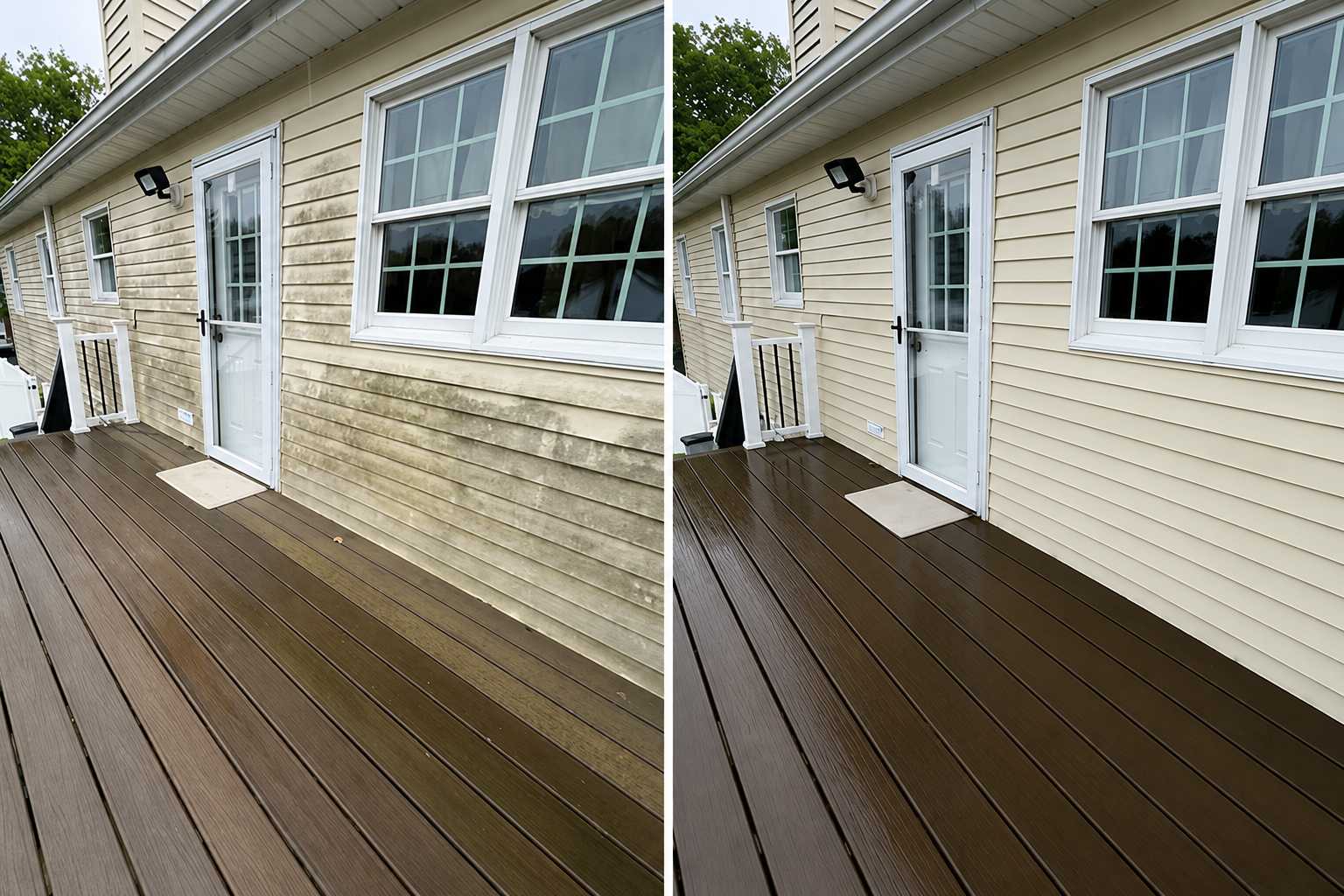
The exterior walls are one of the most noticeable areas that collect dirt. Siding, brick, stucco, and other wall materials can develop dark marks, green growth, dust, and stains.
Rain can carry dirt down the walls, while shaded areas may stay damp for longer periods. This moisture can contribute to algae, mold, or mildew growth. Regular cleaning can remove surface buildup and make it easier to identify cracks, damaged siding, peeling paint, or other maintenance issues.
The cleaning method should depend on the exterior material. For example, some siding materials can tolerate controlled pressure, while delicate surfaces may require a lower-pressure method.
2. Driveways
Driveways receive constant exposure to vehicles, weather, dirt, oil, leaves, and other outdoor materials. Concrete driveways can develop dark stains and green or black organic growth, especially in areas that receive limited sunlight.
Because driveways are horizontal surfaces, water and debris can remain on them longer than on vertical walls. Dirt can also become embedded in small pores within concrete.
Cleaning the driveway can help remove accumulated surface contaminants and make stains easier to identify. Oil and chemical stains may require different treatment from ordinary dirt or algae.
3. Walkways and Sidewalks
Walkways around a home can become dirty from foot traffic, rain, leaves, soil, and nearby landscaping. Moss and algae may also grow on areas that remain damp or shaded.
These surfaces are important to inspect because organic growth can change the surface texture and potentially make it more slippery when wet. Cleaning can remove the buildup and make the condition of the walkway easier to evaluate.
Special attention may be needed around cracks, joints, and uneven sections where dirt tends to collect.
4. Patios
Patios are exposed to many of the same conditions as driveways and walkways. Furniture, plants, food, leaves, and regular outdoor use can contribute to surface buildup.
Concrete, brick, stone, and paver patios each have different cleaning requirements. For example, excessive pressure can potentially damage softer materials or disturb joint sand between pavers.
Before cleaning a patio, it is useful to identify the surface material and determine whether stains are caused by dirt, algae, rust, food, grease, or another substance.
5. Decks
Wooden and composite decks can accumulate dirt, pollen, algae, mildew, and other outdoor debris. Wood requires particular care because excessive pressure can damage the surface fibers.
A cleaning method that is too aggressive may leave visible marks or cause splintering. Composite decking can also have manufacturer-specific cleaning recommendations.
Deck cleaning should therefore take into account the age, material, finish, and condition of the surface rather than using the same pressure setting used for concrete.
6. Fences
Fences are often overlooked during exterior cleaning. Wood, vinyl, and other fence materials can collect dirt, green algae, mildew, and weather-related discoloration.
Because fences are usually exposed on multiple sides, buildup may be more noticeable on shaded sections. Wooden fences may require a gentler cleaning approach than concrete or other hard surfaces.
Cleaning also provides an opportunity to notice loose boards, damaged sections, or areas where the material has begun to deteriorate.
7. Garage Doors
Garage doors are another exterior surface that can collect dust, pollen, mud, and water marks. Since garage doors are often located near driveways, they can also receive splashes of dirt from vehicles.
Different garage door materials have different cleaning requirements. Metal, vinyl, and painted surfaces should be cleaned carefully to avoid damaging the finish.
8. Exterior Steps
Steps can collect dirt and organic growth just like walkways and patios. Because people regularly walk over these surfaces, buildup should not be ignored.
Concrete, brick, stone, and wooden steps require different cleaning techniques. Areas that remain shaded or damp may need closer attention because moss and algae can grow more easily there.
9. Outdoor Walls and Retaining Walls
Retaining walls and decorative exterior walls can develop stains, moss, algae, and dirt over time. Their location near soil and landscaping can increase exposure to moisture and organic material.
These surfaces should be inspected based on their construction material. Stone, brick, concrete, and painted surfaces may respond differently to pressure washing.
How Often Should These Areas Be Cleaned?
There is no single cleaning schedule that works for every home. Factors such as climate, shade, rainfall, landscaping, surface material, and the amount of outdoor use can affect how quickly buildup develops.
A homeowner may need to inspect exterior surfaces periodically rather than relying only on a fixed schedule. Green growth, dark staining, visible dirt, slippery areas, and heavy discoloration can indicate that a surface needs attention.
It is also important to avoid assuming that every surface should be cleaned using high pressure. Some materials can be damaged by excessive pressure, while others may require specialized cleaning solutions or lower-pressure techniques.
What Should Homeowners Check Before Power Washing?
Before cleaning an exterior surface, check the material and its condition. Look for cracks, loose paint, damaged siding, deteriorated wood, loose pavers, and other existing problems.
It is also important to identify the type of stain or buildup. Dirt, algae, mold, rust, grease, and paint may require different cleaning methods.
For homeowners considering house power washing Passaic County NJ, understanding these surface differences is important because proper cleaning is based on the material and condition of each area, not simply the amount of pressure used.
Frequently Asked Questions
1. What parts of a house can be power washed?
Common areas include exterior walls, driveways, sidewalks, patios, decks, fences, garage doors, steps, and certain retaining walls. The appropriate cleaning method depends on the surface material.
2. Can all exterior surfaces be cleaned with high pressure?
No. Some surfaces, such as certain types of wood, painted materials, and delicate masonry, can be damaged by excessive pressure. Lower-pressure or other cleaning methods may be more appropriate.
3. Why do shaded areas get dirty faster?
Shaded areas often dry more slowly after rain or washing. Longer periods of moisture can create favorable conditions for algae, moss, and mildew growth.
4. Does power washing remove mold and algae?
Cleaning can remove visible mold, algae, and other organic buildup from many exterior surfaces. However, the appropriate method depends on the material and the type of growth present.
5. How often should a driveway be cleaned?
The frequency depends on traffic, weather exposure, surrounding landscaping, staining, and organic growth. Some driveways may need periodic cleaning, while others may remain clean for longer periods.
6. Can power washing damage a house?
Improper pressure, incorrect equipment, or an unsuitable cleaning method can damage certain surfaces. Understanding the material and using an appropriate cleaning technique is important for preventing surface damage.
Comments
Log in or sign up to join the conversation.