

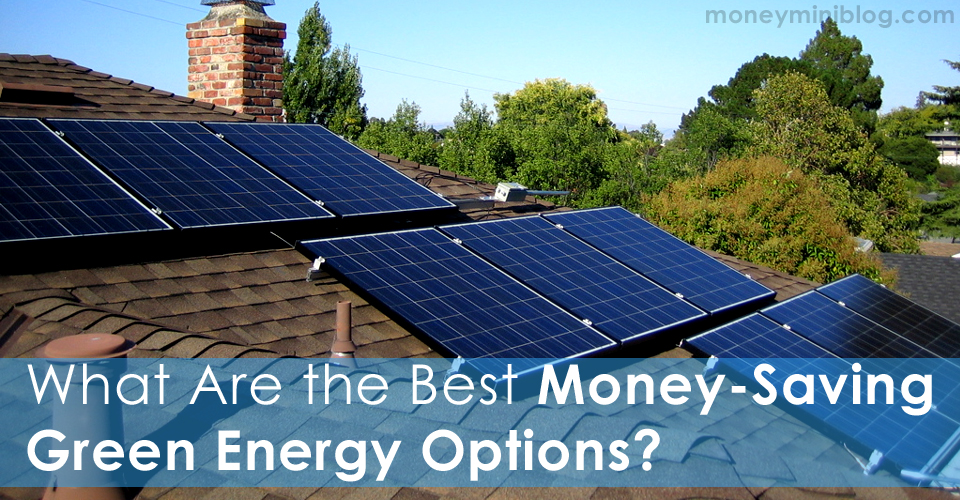
There are various sources of green energy available today with wind turbines and solar being the most popular. However, in addition to these two, thermal, geothermal and biofuels from plants are also reliable sources of renewable green energy.
Before selecting which option to install, it is important that you consider several factors including your budget size and the suitability of your property. It is also crucial that you make your home energy efficient by insulating, double glazing and draught-proofing whenever possible.
When considering the financial implications of installing and maintaining a renewable energy option in your home, it is important to know that almost all the costs are upfront. The only running costs involved are in the form of maintenance for the equipment used to harness the energy.
Installation of any of these green energy options is easily taken care of by energy providers with various packages depending on the homeowner’s needs and preferences. Refer to resources like localelectricitycompanies.com to compare rates among different providers.
First, you need to know your options.
Solar Energy
Solar energy is by far the most popular green energy option in the country. Its popularity stems from the fact that it can be harnessed into different forms of energy for use at home.
Solar energy can be converted directly into electricity by photovoltaic cells in solar panels placed either on the rooftops or on the ground. Solar thermal systems use the suns energy to heat water and living rooms.
Solar energy offers tangible cost benefits and reduces carbon emissions. According to the US Department of Energy, conventional water and house heating systems contribute more than a quarter of your monthly energy bill.
These costs can be easily offset by installing solar at your home with the added benefit of electricity for lighting from your solar panels.
It is important to consider a couple things, however, before settling on solar energy:
- The angle on your roof- if you have a flat roof, you may need to install adjustable elements that can be fixed at an optimum angle.
- Your budget considerations- There are more than four types of photovoltaic solar panels with differences in cost and efficiency.
Though the installation costs are relatively large, solar energy helps you save on your monthly bills and has a relatively good return on investment. On to the next popular option…
Wind Energy
Wind turbines are another popular type of micro generation system. Small scale turbines are ideal for use in the generation of electricity for domestic use.
Wind turbines, however, are dependent on the wind speed in your home area. For areas that meet the wind speed requirements, you could opt to have the turbine mounted on your roof or on a pole. Personally, living in Oklahoma, I know I would have no problem whatsoever finding a source for wind energy, but other areas of the country may struggle.
Apart from the relatively cheap installation costs, wind energy is also a good investment as you can sell any extra electricity generated to your neighbors. The installation costs depend on the type and size of turbine used.
Who knew you could use energy as an investment? Well, more of a money-saver, but still!
Final Words
There are other options out there as I have mentioned in the beginning, but solar and wind are the two most common and usually the most affordable. There is a lot more competition out there for these two options, which generally means lower prices.
If you’re considering going green with your energy, look to these options first.


Comments
Log in or sign up to join the conversation.