
A damaged or weakened tooth can affect chewing, speaking, confidence, and overall oral comfort. When a tooth has lost significant structure because of decay, fracture, extensive fillings, or previous dental treatment, a dental crown may provide an effective way to restore its shape and function. Modern restorative dentistry offers different crown materials and treatment approaches, allowing dentists to select options according to each patient's individual dental needs.
For patients considering professional dental restoration, Expert Crown treatment in DHA Lahore can provide a carefully planned approach to rebuilding damaged teeth. A qualified dentist can examine the affected tooth, evaluate the surrounding gums and bite, and recommend an appropriate restoration based on the patient's oral-health condition.
What Is Dental Crown Treatment?
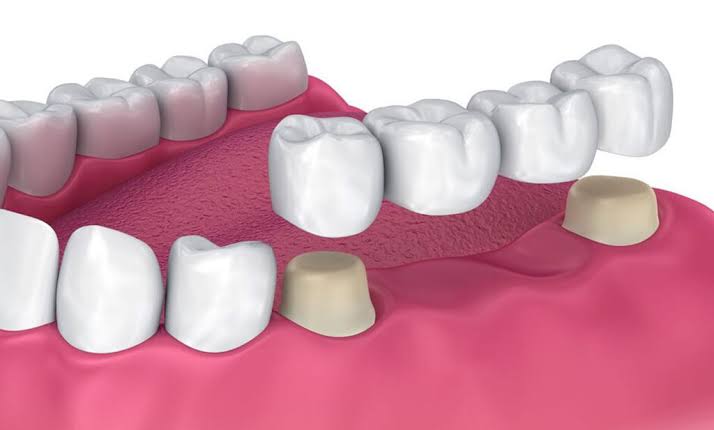
A dental crown is a custom-made restoration designed to cover a damaged or weakened tooth. It is shaped to resemble a natural tooth and is intended to restore the tooth's structure, appearance, and function.
Crowns can be made from different materials, including ceramic, porcelain, zirconia, porcelain-fused-to-metal, and metal. The appropriate material depends on factors such as the location of the tooth, chewing forces, aesthetic requirements, remaining tooth structure, and the dentist's clinical recommendation.
A crown should not be viewed as simply a cosmetic covering. It is a restorative treatment that requires proper diagnosis and planning.
Why Might You Need a Dental Crown?
A dentist may recommend a crown when a tooth has experienced substantial structural damage. Large cavities can weaken a tooth to the point where a conventional filling may not provide sufficient support.
A crown may also be considered for a tooth that has a large filling, significant fracture, severe wear, or certain restorations following root canal treatment.
In some cases, crowns can also be part of a broader smile-restoration plan. However, the treatment should be selected according to the patient's actual dental condition.
How Does Expert Crown Treatment Work?
The process generally begins with a detailed dental examination. The dentist evaluates the affected tooth, neighboring teeth, gums, bite, and surrounding structures.
Dental X-rays may be recommended when necessary to assess the roots and supporting structures. If decay, infection, or gum disease is present, these issues may need to be addressed before the crown is placed.
Once the tooth is considered suitable, it is carefully prepared to create enough space for the crown. A digital scan or traditional impression can then be used to design the restoration.
Depending on the case, a temporary crown may be provided while the permanent restoration is being prepared. At the final appointment, the dentist checks the permanent crown's fit, appearance, contacts, and bite before securing it.
What Types of Dental Crowns Are Available?
Patients in DHA Lahore may have access to several types of dental crowns. Each material has different characteristics, so the best choice depends on the specific tooth and treatment goals.
Zirconia Crowns
Zirconia is a strong ceramic material that can provide a tooth-colored appearance. It may be considered for both front and back teeth depending on the individual case.
Ceramic Crowns
Ceramic crowns can provide a natural-looking appearance and may be useful when aesthetics are an important part of the treatment.
Porcelain-Fused-to-Metal Crowns
These crowns combine a metal foundation with a tooth-colored outer surface. They have been used in restorative dentistry for many years.
Metal Crowns
Metal crowns can provide strong resistance to chewing forces and may be appropriate for selected back teeth.
A dentist can compare the available materials and recommend an option based on clinical requirements.
Can Crown Treatment Restore a Broken Tooth?
A crown may be used to restore certain broken teeth when enough healthy tooth structure remains. The extent and location of the fracture are important factors.
A minor chip may not require a crown and could potentially be treated with bonding or another conservative option. On the other hand, a tooth with extensive structural damage may need more comprehensive restoration.
If a tooth is severely fractured or the damage extends below the gumline, a crown may not always be possible. A professional examination is therefore important before selecting treatment.
Can a Crown Protect a Weak Tooth?
One of the important purposes of a crown is to provide coverage for a structurally compromised tooth.
A weakened tooth can be vulnerable to further damage under normal chewing forces. When a crown is clinically appropriate, it can cover and restore the remaining tooth structure.
However, a crown does not eliminate the need for good oral hygiene. The natural tooth underneath and around the restoration still requires proper care.
Are Dental Crowns Used After Root Canal Treatment?
Some teeth that have undergone root canal treatment may benefit from a crown, particularly when a significant amount of tooth structure has been lost.
Root canal treatment addresses infection or inflammation within the tooth, while a suitable restoration can help restore the tooth afterward.
The need for a crown depends on factors such as the tooth's location, remaining structure, functional demands, and overall condition. Your dentist can determine the appropriate restoration after evaluating the tooth.
Are Dental Crowns Suitable for Front Teeth?
Crowns can be used for selected damaged or weakened front teeth. Since these teeth are highly visible, aesthetics are an important consideration.
The dentist may evaluate the color, shape, size, and proportions of neighboring teeth when designing the restoration.
However, not every cosmetic concern requires a crown. For certain minor chips or aesthetic changes, bonding, veneers, or other conservative treatments may be considered.
How Important Is Proper Crown Fitting?
Proper fitting is essential for the comfort and performance of a dental crown. The dentist needs to check the restoration's margins, contacts, shape, and bite before final placement.
A poorly fitting crown may contribute to discomfort, food trapping, gum irritation, or bite problems.
Professional treatment includes careful assessment before the crown is permanently secured.
How Long Can a Dental Crown Last?
A dental crown is designed for long-term use, but its exact lifespan varies from person to person.
Factors such as oral hygiene, crown material, bite forces, tooth condition, restoration quality, and lifestyle habits can affect longevity.
Patients who grind or clench their teeth may place additional stress on crowns. In appropriate situations, a dentist may recommend a protective night guard.
Regular dental examinations allow the dentist to monitor the crown and supporting tooth over time.
How Should You Care for Your Dental Crown?
Taking care of a crowned tooth is similar to caring for natural teeth. Patients should maintain regular brushing and clean between their teeth every day.
The gumline around the crown deserves particular attention because plaque can accumulate in this area.
If the crown is part of a bridge or another restoration, the dentist may recommend specialized cleaning techniques or interdental aids.
Regular dental appointments are also important for checking the restoration and overall oral health.
What Can Damage a Dental Crown?
Although crowns are designed to withstand normal chewing, certain habits can increase the risk of damage.
Patients should avoid using their teeth to open packages or bite hard non-food objects. Excessively hard foods may also place additional stress on some restorations.
Teeth grinding and clenching can increase wear and may affect both natural teeth and crowns.
If you notice a loose crown, crack, unusual sensitivity, or change in your bite, contact your dentist for an assessment.
Is Crown Treatment Painful?
Dental crown preparation is normally performed with appropriate local anesthesia when needed. This helps keep the procedure comfortable.
Some patients may experience temporary sensitivity or mild discomfort after treatment. This can occur as the tooth and surrounding tissues adapt.
However, significant or persistent pain should not be ignored. Contacting the dental professional allows the cause to be evaluated and managed appropriately.
How Much Does Crown Treatment Cost in DHA Lahore?
The cost of crown treatment in DHA Lahore varies according to the individual case and the type of crown selected.
Factors may include the crown material, laboratory quality, complexity of tooth preparation, diagnostic procedures, condition of the tooth, and any additional treatment required before restoration.
For example, a zirconia crown may have a different cost from a metal or porcelain-fused-to-metal crown.
Patients should request a complete treatment estimate and clarify what is included before starting the procedure.
How Can You Choose a Crown Specialist in DHA Lahore?
Choosing a qualified and experienced dental professional is an important part of restorative treatment.
Patients should consider the dentist's qualifications, experience with restorative procedures, diagnostic approach, and ability to explain different treatment options.
It is also reasonable to ask about crown materials, laboratory procedures, expected treatment stages, follow-up appointments, and aftercare.
The lowest price should not be the only deciding factor. Proper diagnosis, restoration quality, professional fitting, and long-term care are equally important.
Crown vs. Filling: Which Treatment Is Better?
Fillings and crowns serve different purposes.
A filling is generally used to repair a tooth with a smaller or moderate area of decay or damage. A crown provides coverage over a larger portion of a tooth and may be recommended when substantial tooth structure has been lost.
A dentist should select the most conservative treatment that can provide an appropriate result. Not every damaged tooth requires a crown.
Crown vs. Veneer: What Is the Difference?
A dental crown generally covers a substantial portion of a tooth, while a veneer is primarily designed to cover the front surface of a tooth.
Veneers are often associated with cosmetic improvements, whereas crowns are commonly used when a tooth requires greater structural restoration.
The appropriate option depends on the amount of damage and the patient's dental goals.
Why Is Oral Hygiene Important After Crown Treatment?
A crown protects the portion of the tooth it covers, but it does not make the surrounding area immune to dental disease.
Plaque can accumulate around the crown margins and affect the gums. The natural tooth structure beneath the restoration can also develop decay if oral hygiene is neglected.
Regular brushing, cleaning between teeth, a balanced diet, and professional dental checkups can help protect the restoration and surrounding tissues.
What Happens During the First Dental Consultation?
During the initial consultation, the dentist may ask about your dental concerns and examine the affected tooth.
Depending on the situation, X-rays or other diagnostic procedures may be recommended. The dentist can then discuss whether a crown is appropriate and explain available alternatives.
This consultation is also a good opportunity to ask about crown material, expected treatment stages, estimated cost, aftercare, and long-term maintenance.
What Are the Benefits of Professional Crown Treatment?
For suitable patients, professional crown treatment can provide several benefits. It can help restore the shape and function of a damaged tooth while providing coverage for remaining tooth structure.
A well-designed tooth-colored crown can also improve the appearance of a severely damaged or discolored tooth.
Most importantly, professional treatment focuses on the health and function of the tooth rather than simply placing a restoration for cosmetic purposes.
Frequently Asked Questions
What is a dental crown?
A dental crown is a custom restoration designed to cover and restore a damaged or weakened tooth.
Who may need crown treatment?
People with significantly damaged, weakened, heavily restored, or appropriately treated teeth may be candidates for crowns. A dentist must evaluate the tooth before recommending treatment.
Which crown material is best?
There is no single crown material that is ideal for every patient. Zirconia, ceramic, porcelain-fused-to-metal, and metal crowns each have different characteristics.
How long does crown treatment take?
Treatment time varies depending on the tooth, preparation, laboratory process, and restoration type. Your dentist can provide an individualized timeline.
Can crowns look natural?
Yes. Tooth-colored crowns can be designed to closely resemble natural teeth. Shade, shape, size, and surrounding teeth are considered during treatment planning.
How much does a crown cost in DHA Lahore?
The cost varies based on material, case complexity, laboratory quality, and additional dental treatment. A consultation is the best way to obtain an accurate estimate.
Can I eat normally after crown treatment?
Your dentist will provide specific instructions based on your restoration. Once the crown has been appropriately secured and any temporary precautions have passed, many patients can return to normal eating.
Final Thoughts
Dental crown treatment can be an effective restorative option for teeth that have suffered significant damage, decay, fractures, or structural weakness. The success of treatment depends on accurate diagnosis, appropriate material selection, precise preparation, proper fitting, and consistent aftercare.
If you are considering Expert Crown treatment in DHA Lahore, consult a qualified dental professional for an individualized assessment. Rather than choosing treatment based only on cost or appearance, consider the dentist's expertise, restoration quality, treatment planning, and long-term follow-up care.
For more Information: Dental Club
Comments
Log in or sign up to join the conversation.