
If you’ve ever heard someone mention “acid tabs” and found yourself nodding along without really knowing what they meant, you’re not alone. The term gets thrown around casually, but the actual details—what these tiny squares are made of, how they’re used, and what makes them different from other forms of LSD—rarely get explained clearly. This guide walks you through the basics from the ground up, whether you’re just satisfying curiosity or trying to understand what a friend might be talking about.
The Physical Reality of a Blotter Tab
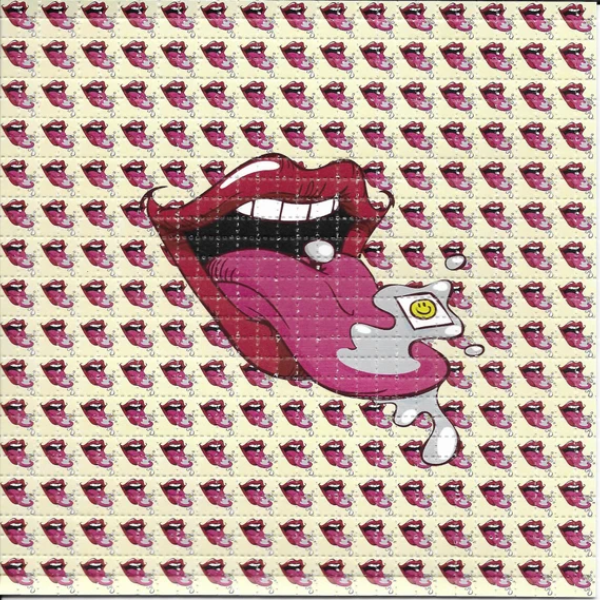
An acid tab is simply a small square of absorbent paper, usually about a quarter-inch across, that has been soaked in a solution of liquid LSD and then dried. The paper is typically perforated into a grid of individual doses, much like a sheet of postage stamps. Manufacturers often print colorful designs or cartoon characters on the sheets—these are called “artwork” or “blotter art,” and they serve no functional purpose other than branding or aesthetics. A single tab weighs almost nothing and feels like a stiff piece of craft paper. Despite its tiny size, that little square can contain anywhere from 30 to over 200 micrograms of LSD, which is more than enough to produce a full psychedelic experience.
How Acid Tabs Are Made From Start to Finish
The process begins with a solution of crystal LSD dissolved in high-purity alcohol or distilled water. A large sheet of absorbent paper, often watercolor paper or specialized blotting paper, is laid flat. The LSD solution is then either painted onto the paper, sprayed in a fine mist, or the entire sheet is dipped into the solution. The key is achieving even distribution so each small square gets roughly the same amount. After soaking, the paper is left to dry in a dark, well-ventilated area because light and heat can degrade LSD. Once dry, the large sheet is perforated into individual tabs. In illegal markets, this process happens in uncontrolled settings, which is why potency varies so wildly from tab to tab and even across the same sheet.
Different Forms of LSD Beyond the Paper Tab
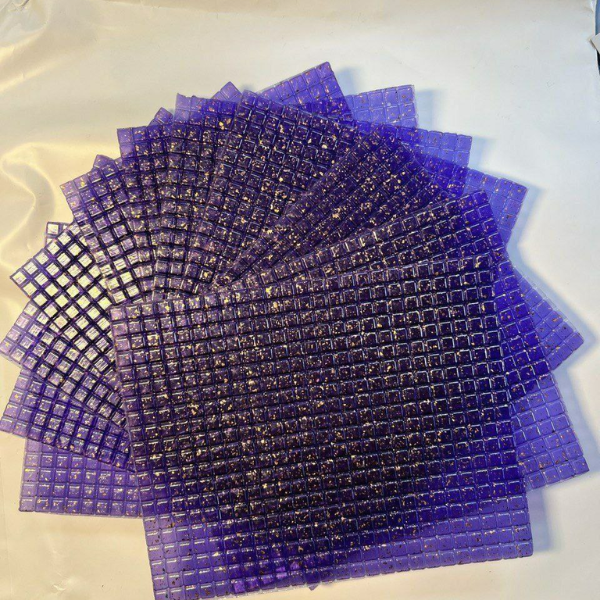
While paper tabs are the most common form, they aren’t the only way LSD appears. Liquid LSD comes in small dropper bottles, with each drop intended as one dose. Gel tabs, sometimes called “windowpanes,” are small squares of gelatin that contain LSD—these tend to be more stable and last longer than paper. Microdots are tiny pill-like tablets, no larger than a poppy seed, that contain LSD pressed with binders. Less common forms include sugar cubes that have been dosed with liquid LSD, gummy candies, or even breath mint strips. However, paper tabs dominate the market because they’re cheap to produce, easy to hide, and simple to transport. If someone offers you buy acid tabs in any other form, the same safety rules apply, but the risk of misidentification or adulteration is even higher.
How to Properly Take an Acid Tab
The standard method is simple: place the tab on or under your tongue and leave it there for ten to fifteen minutes. The LSD absorbs directly through the mucous membranes in your mouth, which allows it to enter your bloodstream faster than if you simply swallowed it. After that time, you can either swallow the paper or spit it out—by then, most of the LSD has already been absorbed. Some people prefer to swallow immediately, which still works but delays the onset by thirty to sixty minutes. A bitter, metallic, or numbing taste is a serious red flag. Genuine LSD has virtually no taste at all. A strong chemical flavor often indicates the presence of NBOMe compounds, which are dangerous imposters that have caused seizures and deaths.
How Long It Takes to Feel the Effects
Do not make the mistake of assuming nothing is happening just because the first hour feels quiet. After placing a tab in your mouth, you will likely feel absolutely nothing for the first thirty to sixty minutes. Then, around the ninety-minute mark, you might notice subtle shifts—colors seem slightly brighter, your thoughts feel a bit slippery, or you feel an odd sense of anticipation. The full effects typically arrive between two and three hours after taking the tab. This slow onset is the number one reason people take too much. Someone who drops a tab, feels nothing after an hour, and takes a second tab can find themselves overwhelmed when both doses hit at once. Patience isn’t just a virtue with acid; it’s a safety requirement.
Factors That Change How a Tab Affects You
The same tab can produce wildly different experiences depending on several variables. Your body weight plays a minor role, but your metabolism, what you’ve eaten that day, and whether you take any medications matter much more. Antidepressants, especially SSRIs, can dramatically dull or completely block the effects of LSD. Having a full stomach slows absorption and can make the come-up feel more gradual. Your emotional state on the day you take the tab is arguably the strongest factor—LSD amplifies whatever is already present, so a calm, curious mood tends to yield a smoother trip than an anxious or frustrated one. Even the same person taking the same tab from the same sheet can have a completely different experience on two different days, simply because their mindset and surroundings changed.
How to Tell If a Tab Has Gone Bad or Lost Potency
LSD is a fragile molecule. It degrades when exposed to heat, light, oxygen, and moisture. A tab left in a hot car for an afternoon might lose half its potency. One stored in a clear plastic bag on a sunny windowsill could become completely inactive within a week. Properly stored tabs—wrapped in foil, sealed in an airtight container, and kept in a cool, dark place like a refrigerator or freezer—can remain potent for years. Signs of degradation are hard to spot by eye alone. Old tabs often look identical to fresh ones. The only real clue comes from testing or from trying a very small piece and noticing unusually weak effects. If a tab has turned brown, developed spots, or smells strange, assume it has degraded or become contaminated and discard it.
Comments
Log in or sign up to join the conversation.