

Well cementing is a fundamental operation in oil and gas drilling, providing structural support, zonal isolation, and long-term protection for wellbores. As exploration activities move into more complex geological formations and operators seek greater efficiency from existing assets, the importance of reliable cementing solutions continues to increase. Cementing technology plays a critical role in preventing fluid migration, protecting groundwater, stabilizing casing, and maintaining well integrity throughout the operating life of a well.
According to TechSci Research report, “Well Cementing Market Size– Global Industry Share, Trends, Competition Forecast & Opportunities, 2021-2031F”, The Global Well Cementing Market will grow from USD 10.88 Billion in 2025 to USD 15.68 Billion by 2031 at a 6.28% CAGR.
The market is being shaped by continued oil and gas exploration, increasing drilling activity, the development of unconventional resources, and the growing complexity of well construction. At the same time, environmental expectations and regulatory requirements are forcing operators to reconsider traditional cementing practices.
Modern well cementing is therefore moving beyond basic well completion requirements. Operators increasingly require cement formulations and placement technologies capable of performing under high temperatures, high pressures, corrosive environments, and challenging geological conditions. The industry's growing emphasis on sustainability is also accelerating the development of low-carbon cement systems and technologies designed to reduce environmental risks.
As exploration expands across conventional and unconventional reservoirs, demand for specialized cementing products and services is expected to remain strong. The combination of well-integrity requirements, technological innovation, regulatory compliance, and continued energy investment is likely to support the long-term expansion of the global Well Cementing Market.
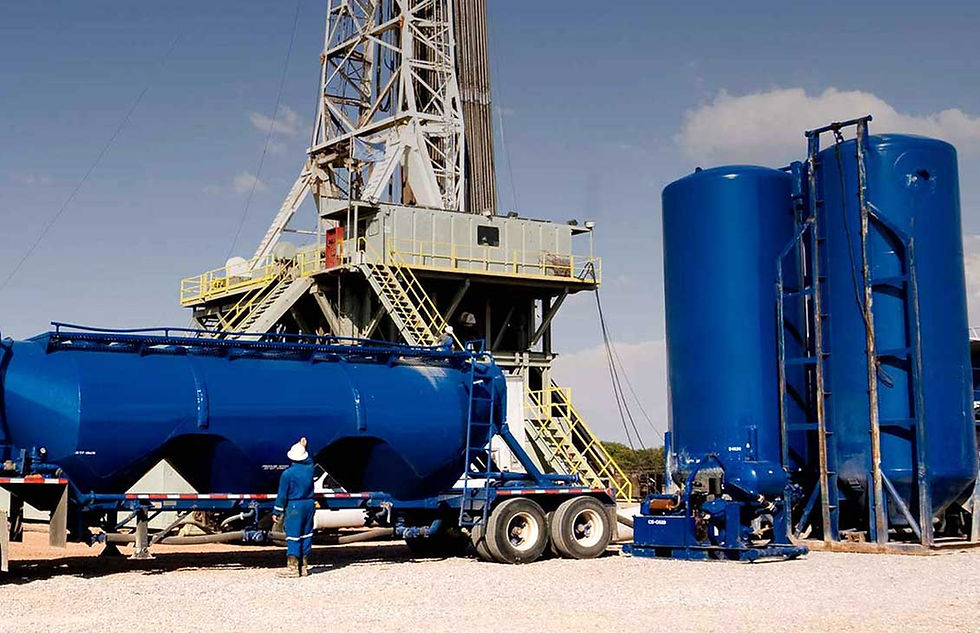
Industry Key Highlights
The Global Well Cementing Market is expected to increase from USD 10.88 billion in 2025 to USD 15.68 billion by 2031.
The market is projected to expand at a 6.28% CAGR through 2031.
Onshore applications held the largest market share in 2023.
Middle East & Africa is the fastest-growing regional market.
Rising oil and gas exploration is supporting demand for cementing services.
Environmental regulations are encouraging the development of low-carbon cementing materials.
Advanced cement formulations are improving wellbore durability and zonal isolation.
Unconventional resources such as shale gas and tight oil are creating demand for specialized cementing technologies.
Enhanced oil recovery activities are contributing to additional cementing requirements.
Offshore and deepwater drilling are creating opportunities for high-performance cementing solutions.
Request For Sample Copy of Report For More Detailed Market insight
Main Drivers
Increasing Oil and Gas Exploration
The continued development of oil and gas resources remains one of the primary factors supporting the Well Cementing Market.
As operators expand drilling programs and seek to increase production from existing reservoirs, the need for reliable well-completion technologies grows accordingly. Cementing is essential for securing casing and isolating different geological zones, making it a critical component of drilling operations.
Both new drilling projects and redevelopment of mature fields require cementing services. As operators increasingly target technically challenging reservoirs, the demand for specialized cement systems capable of handling demanding downhole conditions is expected to increase.
Growing Emphasis on Well Integrity
Well integrity has become a major priority for oil and gas companies because cement failure can result in fluid migration, environmental contamination, production losses, and costly remediation.
Modern cementing solutions are therefore designed to provide stronger bonding, lower permeability, greater durability, and improved resistance to pressure and temperature variations.
Operators are increasingly investing in technologies that can identify potential cementing problems early and improve the reliability of the entire well structure.
Expansion of Unconventional Resources
The growing development of unconventional resources, particularly shale gas and tight oil, is creating additional opportunities for the well cementing industry.
These formations can involve complex well trajectories, hydraulic fracturing, pressure variations, and challenging subsurface conditions. Such requirements demand cementing systems with specialized mechanical and chemical characteristics.
Cement formulations capable of maintaining integrity during high-pressure operations are becoming increasingly valuable as unconventional drilling expands.
Enhanced Oil Recovery Activities
Enhanced oil recovery techniques are being adopted to extend the productive life of mature oil fields.
These operations can expose wells to changing pressure, temperature, and chemical conditions, creating additional requirements for durable cement systems.
As producers attempt to maximize recovery from existing assets, specialized cementing solutions can support well integrity during extended production cycles.
Regulatory Pressure
Environmental and safety regulations are becoming increasingly influential in drilling and completion decisions.
Governments and industry organizations are placing greater emphasis on preventing groundwater contamination, reducing emissions, managing waste, and maintaining structural well integrity.
Compliance requirements are encouraging operators to adopt cementing technologies that minimize environmental risks while improving operational reliability.
Emerging Trends
Shift Toward Low-Carbon Cementing Materials
One of the most significant developments in the industry is the movement toward more environmentally responsible cement formulations.
Conventional Portland cement has a substantial environmental footprint because its manufacturing process requires considerable energy and generates carbon dioxide emissions.
Consequently, research is increasingly focused on alternatives such as geopolymer cement and other low-carbon binders. These materials aim to maintain the mechanical performance required for well construction while reducing the environmental impact associated with cement production.
Smart Cementing Technologies
Digitalization is beginning to influence well cementing operations through advanced monitoring, modeling, and data analytics.
Smart cementing technologies can help operators understand downhole conditions, optimize cement placement, and identify potential integrity issues.
Digital tools can also improve planning by allowing engineers to simulate cement behavior under different pressure and temperature conditions before operations begin.
Advanced Wellbore Isolation
Improved zonal isolation technologies are becoming increasingly important as wells become deeper and more complex.
Effective isolation prevents unwanted movement of fluids between geological formations and contributes to long-term well integrity.
New cement formulations and placement techniques are being developed to improve bonding and reduce the likelihood of leakage.
Greater Environmental Risk Management
Environmental considerations are becoming embedded throughout the well lifecycle.
Operators are increasingly assessing the potential effects of drilling and cementing activities on groundwater, ecosystems, waste streams, and surrounding communities.
This shift is encouraging the adoption of technologies designed to reduce leakage risks and improve the environmental performance of well construction.
Growth in Deepwater and Offshore Activities
Offshore drilling, particularly in deepwater environments, presents highly specialized cementing requirements.
Extreme pressure, temperature fluctuations, difficult logistics, and complex well designs require cement systems with advanced performance characteristics.
As offshore exploration and production investments increase, specialized cementing products are expected to represent an important growth opportunity.
Real-World Use Cases
Onshore Oil and Gas Wells
Onshore applications held the largest market share in 2023.
The dominance of the onshore segment reflects the extensive drilling and production activities conducted across established and emerging oil and gas regions.
Operators are investing in cementing solutions that can improve well stability, reduce leakage risks, and enhance overall production efficiency.
The development of unconventional reservoirs has further strengthened demand because shale and tight formations often require sophisticated cementing approaches.
Offshore Drilling
Offshore wells require cement systems capable of performing under challenging environmental conditions.
Cement must withstand high pressures, temperature variations, and complex geological environments while maintaining reliable casing support and zonal isolation.
As offshore exploration moves toward deeper waters, the demand for high-performance cementing technologies is expected to increase.
Shale Gas Development
Shale gas wells often involve horizontal drilling and hydraulic fracturing, creating demanding requirements for cement integrity.
Specialized cement formulations can help protect casing and maintain isolation between formations during and after stimulation operations.
The continued development of shale resources is therefore expected to contribute to market demand.
Mature Oil Fields
Cementing services also play an important role in extending the operational life of mature fields.
Remedial cementing can address problems such as casing leaks, unwanted fluid movement, and compromised zonal isolation.
As operators seek to maximize recovery from existing assets rather than relying solely on new discoveries, remedial cementing is likely to remain an important application.
Environmental Protection
Well cementing contributes directly to environmental protection by helping isolate underground formations and preventing unwanted fluid migration.
Effective cement barriers can reduce the risk of hydrocarbons or other formation fluids reaching groundwater resources.
This environmental function is becoming increasingly important as regulators and communities demand stronger safeguards around drilling operations.
Competitive Analysis
Major companies operating in the Global Well Cementing Market are:
Schlumberger Limited
Baker Hughes Company
Halliburton Energy Services, Inc.
Weatherford International
Parker Wellbore Company
Nabors Corporate Services, Inc.
China Oilfield Services Limited
NOV Inc.
Customers can also request 10% free customization in this report.
Segmentation
The Global Well Cementing Market is segmented by type, application, well type, and region.
By Type
The market is divided into:
Primary Cementing
Remedial Cementing
Primary cementing is performed during the initial well construction process to secure casing and provide zonal isolation. Remedial cementing is conducted later to address integrity problems, repair leaks, improve isolation, or modify existing well structures.
By Application
The market is segmented into:
Onshore
Offshore
Onshore held the largest market share in 2023, supported by extensive exploration, production, mature-field development, and unconventional drilling activities.
Offshore applications, meanwhile, offer substantial future potential because of growing exploration in technically challenging environments.
By Well Type
The market includes:
Oil
Gas
Shale Gas
Each well type presents different cementing requirements depending on geological conditions, pressure, temperature, drilling method, and production objectives.
The expansion of shale gas and other unconventional resources is increasing the need for advanced cement systems capable of supporting complex well designs.
By Region
The market covers major regions across the global oil and gas industry.
Middle East & Africa is the fastest-growing region in the Global Well Cementing Market.
The region's strong resource base, expanding exploration programs, and investment in oil and gas infrastructure are creating substantial demand for cementing technologies.
The increasing number of drilling activities is also strengthening the requirement for reliable well-integrity solutions. Given the strategic importance of the region to global energy production, continued investment in exploration, field development, and infrastructure is expected to support market expansion.
Future Outlook
The Global Well Cementing Market is expected to maintain steady expansion as oil and gas companies balance production requirements with increasingly stringent environmental and safety expectations.
From USD 10.88 billion in 2025, the market is projected to reach USD 15.68 billion by 2031, reflecting a 6.28% CAGR.
Future market development will depend not only on drilling activity but also on the industry's ability to deliver safer, more durable, and environmentally responsible cementing solutions.
Low-carbon cement formulations, smart cementing systems, advanced wellbore isolation technologies, and digital monitoring are expected to become increasingly important. At the same time, unconventional resources, enhanced oil recovery, offshore drilling, and deepwater projects will create specialized opportunities for technology providers.
Contact US:
Techsci Research LLC
420 Lexington Avenue, Suite 300,
New York, United States- 10170
Tel: +13322586602
Email: [email protected]
Comments
Log in or sign up to join the conversation.