

Introduction
The global energy industry is undergoing a significant transformation as governments, utility providers, and consumers increasingly prioritize efficiency, sustainability, and digitalization. Natural gas continues to serve as one of the world's most important energy resources, supporting residential heating, commercial operations, industrial manufacturing, and power generation. As demand for cleaner-burning fossil fuels grows, the need for accurate gas measurement, intelligent monitoring systems, and efficient distribution networks has become more critical than ever.
Gas meters represent an essential component of modern energy infrastructure. They enable utilities to accurately measure gas consumption, improve billing transparency, detect system abnormalities, and ensure the safe delivery of natural gas to end users. Traditional metering technologies are gradually being replaced by advanced smart gas meters capable of real-time communication, remote monitoring, predictive maintenance, and data-driven decision-making.
According to TechSci Research, the Global Gas Meters Market is projected to grow from USD 5.61 billion in 2025 to USD 7.97 billion by 2031, registering a CAGR of 6.03% during the forecast period. The market's steady growth is supported by expanding natural gas infrastructure, rising adoption of Advanced Metering Infrastructure (AMI), increasing investments in smart city projects, and growing awareness regarding energy efficiency and environmental sustainability.
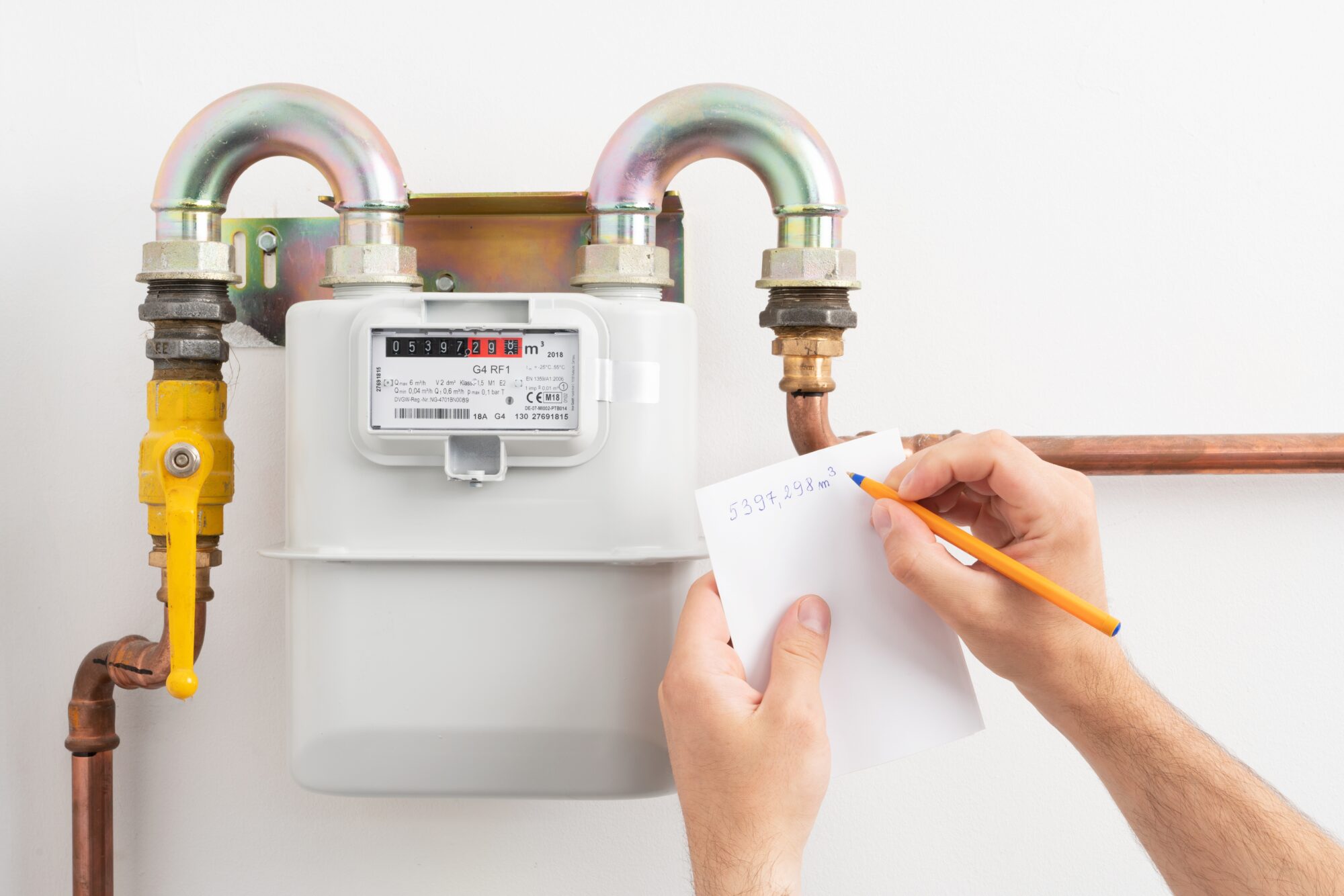
Rapid urbanization, industrial expansion, and modernization of utility networks are encouraging governments and gas distribution companies to deploy next-generation metering solutions. At the same time, consumers are becoming increasingly conscious of their energy consumption and are demanding greater transparency, digital access to usage information, and technologies that help reduce utility costs.
The future of the gas meters market extends beyond simple consumption measurement. Smart metering solutions are evolving into intelligent platforms capable of supporting demand forecasting, leak detection, renewable natural gas integration, and smart grid communication. As utilities continue their digital transformation journey, gas meters are becoming a strategic asset that improves operational efficiency while strengthening customer engagement and environmental performance.
Request For Sample Copy of Report For More Detailed Market insight
Industry Key Highlights
Global Gas Meters Market expected to increase from USD 5.61 Billion in 2025 to USD 7.97 Billion by 2031.
Market projected to register a 6.03% CAGR during the forecast period.
Smart gas meters are rapidly replacing conventional metering systems.
Growing investment in Advanced Metering Infrastructure (AMI) is accelerating market expansion.
Residential applications continue to account for the largest share of global demand.
Natural gas pipeline expansion across emerging economies is creating new installation opportunities.
Digital utilities are increasingly integrating IoT, cloud computing, and AI into gas distribution systems.
North America remains one of the leading regional markets due to rapid technological adoption.
Renewable Natural Gas (RNG) integration is encouraging deployment of more advanced measurement technologies.
Utilities are investing heavily in predictive maintenance and remote monitoring capabilities.
Market Overview
Natural gas has become an increasingly important source of energy due to its relatively lower emissions compared to other conventional fossil fuels. It is widely used for residential cooking and heating, industrial manufacturing, commercial establishments, and electricity generation.
As natural gas consumption continues to rise worldwide, utility companies require highly accurate metering systems capable of managing increasingly complex distribution networks. Gas meters not only determine consumption for billing purposes but also contribute to operational safety, leak detection, infrastructure planning, and energy conservation.
Traditional manual meter reading methods are gradually becoming less efficient as utilities seek to reduce operational costs and improve customer service. Consequently, smart gas metering technologies have emerged as one of the most important developments in the utility sector.
Modern gas meters provide continuous monitoring, automated data transmission, and advanced analytical capabilities that enable utilities to optimize gas distribution while providing consumers with real-time visibility into their energy usage.
The increasing deployment of combined heat and power (CHP) systems, expansion of industrial machinery utilizing natural gas, and rising investment in natural gas infrastructure are expected to sustain long-term demand for advanced gas metering solutions.
Furthermore, natural gas remains an essential raw material across multiple industries, including healthcare, chemicals, and manufacturing, further supporting market growth.
Main Drivers & Trends
Rising Adoption of Smart Gas Meters
One of the strongest drivers transforming the gas meters market is the widespread adoption of smart metering technologies.
Unlike conventional meters, smart gas meters automatically transmit consumption data to utility providers, eliminating manual readings while significantly improving billing accuracy.
These intelligent devices provide consumers with real-time information regarding their gas usage, enabling better energy management and improved cost control.
Utilities also benefit from reduced operational expenses, improved asset management, and enhanced customer satisfaction.
As governments encourage digital utility modernization, investments in smart gas meter deployment continue to increase across developed and developing economies.
Expansion of Natural Gas Distribution Networks
The continuous expansion of natural gas infrastructure remains another major growth driver.
Governments across the world are investing in new transmission pipelines, distribution networks, and city gas distribution projects to improve energy accessibility.
As additional residential, commercial, and industrial consumers gain access to natural gas supplies, demand for reliable gas metering equipment naturally increases.
Every new pipeline connection creates opportunities for meter installation, supporting sustained market expansion.
Growing Focus on Energy Efficiency
Consumers today are becoming increasingly conscious of energy consumption and utility costs.
Smart gas meters provide detailed consumption insights that encourage users to optimize their energy usage.
Utilities can also introduce time-based pricing programs and personalized efficiency recommendations using smart meter data.
These capabilities promote responsible energy consumption while reducing overall demand during peak periods.
Increasing Industrial Consumption of Natural Gas
Industrial facilities continue to adopt natural gas due to its efficiency, cost-effectiveness, and relatively cleaner combustion characteristics.
Manufacturing industries, food processing plants, power generation facilities, chemical manufacturers, and heavy machinery operators rely heavily on uninterrupted gas supplies.
This growing industrial demand directly contributes to increased deployment of commercial-grade and industrial gas metering systems.
Emerging Trends
Artificial Intelligence in Utility Management
Artificial intelligence is beginning to transform utility operations.
AI-powered analytics can process enormous volumes of metering data to predict consumption patterns, identify abnormal usage, detect leaks, and optimize maintenance schedules.
Predictive intelligence reduces operational downtime while improving network reliability.
As utilities increasingly embrace digital transformation, AI integration will become a defining trend within the gas meters market.
Internet of Things (IoT) Integration
The Internet of Things has become a fundamental component of next-generation gas metering.
IoT-enabled smart meters continuously communicate with centralized utility platforms, providing real-time operational data.
These connected devices improve visibility across entire gas distribution networks while enabling remote diagnostics and faster issue resolution.
IoT technology also supports automatic outage notifications, preventive maintenance, and intelligent demand forecasting.
Cloud-Based Meter Data Management
Utilities are increasingly migrating toward cloud-based data management systems.
Cloud platforms enable secure storage, rapid analysis, and centralized management of millions of smart meter readings.
These systems improve operational flexibility while reducing infrastructure costs associated with traditional on-premise data centers.
Cloud-based analytics further enhance business intelligence, allowing utilities to make faster and more informed operational decisions.
Renewable Natural Gas Integration
The growing adoption of Renewable Natural Gas (RNG) is creating new opportunities for advanced gas metering technologies.
Utilities require highly accurate meters capable of monitoring blended gas supplies while ensuring compliance with environmental regulations.
As governments continue promoting renewable energy sources, gas meters capable of measuring RNG blends will experience increasing demand.
Smart Cities Accelerating Meter Deployment
Smart city initiatives are becoming one of the strongest catalysts for smart gas meter adoption.
Modern urban infrastructure increasingly relies on intelligent utility systems capable of integrating electricity, water, and gas management into unified digital platforms.
Gas meters equipped with communication technologies contribute significantly to the development of interconnected urban ecosystems.
Real-World Use Cases
Residential Energy Management
Homeowners increasingly use smart gas meters to monitor daily energy consumption through mobile applications and online dashboards.
This visibility enables families to identify inefficient appliances, reduce unnecessary usage, and lower monthly utility expenses.
Commercial Building Automation
Commercial office buildings, hotels, hospitals, and educational institutions utilize smart gas meters as part of integrated building management systems.
Facility managers monitor energy usage across multiple locations, improving operational efficiency while reducing overall energy costs.
Industrial Manufacturing
Manufacturing facilities depend on precise gas measurement for production planning and operational safety.
Advanced gas meters support continuous monitoring while minimizing production interruptions caused by gas supply issues.
Utility Network Optimization
Gas distribution companies leverage smart meter analytics to forecast demand, identify infrastructure bottlenecks, and optimize gas flow throughout their networks.
Real-time data enables utilities to respond more rapidly to changing consumption patterns.
Competitive Analysis
Honeywell International Inc.
Itron Inc.
Apator SA
Diehl Stiftung & Co. KG
Xylem Inc.
Landis+Gyr Group AG
Badger Meter, Inc.
General Electric
Aclara Technologies LLC
EDMI Limited
Customers can also request for 10% free customization on this report.
Future Outlook
The future of the Global Gas Meters Market appears highly promising as digital transformation continues reshaping the utility sector.
Smart metering adoption is expected to accelerate further with growing investments in smart cities, intelligent infrastructure, and sustainable energy systems.
Artificial intelligence, cloud computing, IoT, predictive analytics, and renewable gas integration will redefine how utilities monitor, distribute, and manage natural gas.
As governments strengthen environmental policies and utilities modernize aging infrastructure, advanced gas metering solutions will become indispensable.
The convergence of digital technologies with utility operations will create new revenue opportunities while improving customer satisfaction, operational efficiency, and environmental sustainability.
10 Benefits of the Research Report
Provides detailed market size and long-term growth forecasts.
Identifies emerging market opportunities across global regions.
Offers comprehensive analysis of key market drivers and restraints.
Evaluates technological innovations shaping future industry development.
Delivers detailed segmentation by technology, application, and meter type.
Supports strategic investment planning with actionable market intelligence.
Examines regional growth prospects and evolving regulatory environments.
Profiles leading companies and evaluates competitive strategies.
Helps organizations understand future customer preferences and technology adoption.
Enables informed business decisions through comprehensive industry analysis.
Conclusion
The Global Gas Meters Market is steadily evolving from conventional measurement systems toward intelligent, connected, and data-driven energy management solutions. Rising investments in smart infrastructure, expanding natural gas networks, increasing consumer awareness regarding energy efficiency, and rapid technological innovation are collectively driving market growth.
Smart gas meters have become more than billing devices—they are now integral components of digital utility ecosystems, enabling remote monitoring, predictive maintenance, improved safety, and enhanced customer engagement. As governments and utilities continue investing in sustainable infrastructure and intelligent energy management, demand for advanced gas metering solutions is expected to remain strong.
With expanding applications across residential, commercial, and industrial sectors, continuous innovation in IoT, artificial intelligence, cloud analytics, and renewable natural gas integration will further strengthen the market's long-term growth trajectory. Organizations that prioritize digital transformation and customer-centric utility services will be well-positioned to capitalize on the evolving opportunities within the Global Gas Meters Market.
Contact US:
Techsci Research LLC
420 Lexington Avenue, Suite 300,
New York, United States- 10170
Tel: +13322586602
Email: [email protected]
Web: https://www.techsciresearch.com/
Comments
Log in or sign up to join the conversation.