

Industry Key Highlights
The Global Well Casing & Cementing Market is projected to grow from USD 9.77 billion in 2025 to USD 15.22 billion by 2031.
The market is expected to register a CAGR of 7.67% through 2031.
Increasing drilling and exploration activity is supporting demand for casing and cementing solutions.
Growing efforts to develop undeveloped hydrocarbon reserves are creating new opportunities.
Horizontal wells are expected to gain greater preference because of their production advantages compared with vertical wells.
Offshore applications are expected to dominate the market during the forecast period.
The casing segment represents a critical component of well construction and is expected to maintain a significant market position.
Shale development is creating additional demand for specialized well construction technologies.
Digitalization of oilfields is supporting more efficient offshore and complex drilling operations.
Technological advances in drilling are opening opportunities in deepwater and challenging geological environments.
Global Well Casing & Cementing Market: Growth, Trends, Drivers and Forecast 2031
The Global Well Casing & Cementing Market plays a fundamental role in oil and gas exploration and production by providing structural integrity, pressure control, and long-term stability to drilled wells. As energy companies pursue new hydrocarbon reserves in increasingly complex geological environments, the demand for dependable casing and cementing solutions is becoming more important across both onshore and offshore operations.
“According to TechSci Research report, “Global Well Casing & Cementing Market - By Region, Competition, Forecast & Opportunities, 2021-2031”, The Global Well Casing & Cementing Market will grow from USD 9.77 Billion in 2025 to USD 15.22 Billion by 2031 at a 7.67% CAGR.
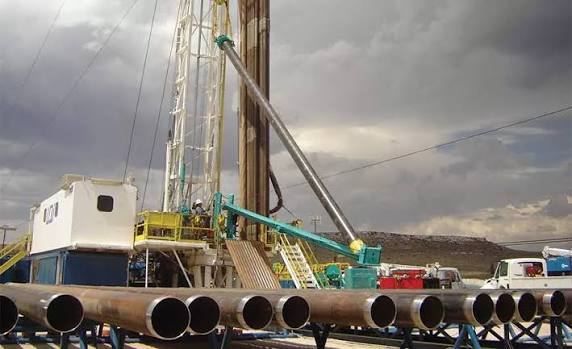
Well casing provides essential support to the borehole, helping prevent formation collapse and isolating different geological layers. Cementing complements the casing process by securing the casing in place and creating barriers between formations. Together, these operations are essential for maintaining well integrity and preventing unwanted fluid migration.
The growing need to access undeveloped hydrocarbon reserves is encouraging energy companies to invest in increasingly challenging drilling projects. Emerging economies, including China and India, are expected to have an important influence on future energy demand because of rapid urbanization, industrialization, and commercialization.
At the same time, improvements in drilling technologies are making previously difficult reserves more accessible. Horizontal drilling, shale development, deepwater exploration, and digitally enabled oilfield operations are creating additional opportunities for companies involved in well casing and cementing.
Request For Sample Copy of Report For More Detailed Market insight
Main Drivers
Rising Global Demand for Oil and Gas
Oil and gas continue to play a significant role in meeting global energy requirements. Population growth, urbanization, industrialization, transportation demand, and commercial development continue to influence hydrocarbon consumption.
As existing reserves face production limitations, energy companies are increasingly evaluating new fields and previously undeveloped resources. New exploration projects require drilling activities, which consequently generate demand for casing, cementing equipment, specialized services, and associated well-construction technologies.
This relationship between drilling activity and well construction makes the expansion of exploration and production projects one of the most important market drivers.
Expansion of Upstream Exploration
Oil and gas companies are increasing investments in upstream activities to maintain production levels and secure future reserves. Exploration and production projects require reliable well construction solutions to safely access hydrocarbon-bearing formations.
The growing number of drilling projects across multiple regions is therefore supporting the well casing and cementing industry. Investments in new exploration blocks, shale resources, offshore fields, and mature-field development are creating demand for specialized services throughout the well lifecycle.
Development of Unconventional Resources
The development of shale and other unconventional hydrocarbon resources has significantly influenced drilling practices. These resources frequently require horizontal wells and specialized completion methods, creating additional requirements for high-performance casing and cementing solutions.
As operators seek to improve recovery from unconventional reservoirs, well construction techniques are evolving to withstand greater pressures, complex geological formations, and extended horizontal sections.
Growing Interest in Undeveloped Hydrocarbon Reserves
Many countries are increasing efforts to identify and develop untapped hydrocarbon resources to strengthen their energy security and support economic growth.
Emerging economies such as China and India are expected to influence future energy-sector dynamics as industrialization and commercialization increase energy requirements. Greater exploration activity in these markets can translate into additional demand for well construction services.
Increasing Offshore Exploration
Offshore exploration is becoming an important source of new hydrocarbon production. Operators are moving into deeper waters and increasingly challenging environments as easily accessible reserves mature.
These projects require highly specialized casing and cementing solutions capable of operating under demanding pressure, temperature, and environmental conditions. Consequently, offshore exploration is expected to remain a major contributor to market growth.
Emerging Trends
Increasing Adoption of Horizontal Wells
Horizontal drilling is gaining preference because it can provide greater reservoir exposure than conventional vertical drilling. By extending the wellbore through a larger portion of the productive formation, horizontal wells can improve access to hydrocarbons in suitable geological conditions.
The increasing use of horizontal drilling is consequently influencing casing designs, cementing requirements, equipment selection, and overall well construction strategies.
Digitalization of Oilfields
Digital technologies are transforming drilling and production operations. Connected equipment, sensors, automation, advanced analytics, and remote monitoring are enabling operators to obtain greater visibility into well conditions and equipment performance.
Digitalization can improve operational decision-making while reducing downtime and supporting more precise drilling activities. As oilfield operations become increasingly connected, casing and cementing processes are also benefiting from improved monitoring and data-driven optimization.
Deepwater and Challenging-Environment Exploration
As conventional reserves become increasingly mature, operators are exploring more difficult geological and geographical environments. Deepwater projects represent a significant opportunity but also introduce complex engineering and operational requirements.
Casing and cementing solutions for such applications must address high pressures, temperature variations, difficult formation characteristics, and stringent well-integrity requirements.
Advanced Cementing Technologies
Modern wells increasingly require cementing solutions designed for complex operating conditions. Improved cement formulations, additives, monitoring systems, and placement techniques are helping operators achieve better zonal isolation and well integrity.
Technological improvements in cementing can reduce risks associated with fluid migration, pressure communication between formations, and structural instability.
Focus on Well Integrity
Well integrity is becoming a central consideration throughout the lifecycle of oil and gas wells. Failures in casing or cement barriers can lead to production losses, environmental incidents, safety hazards, and expensive remediation activities.
As a result, operators are placing greater emphasis on high-quality casing materials, precise cement placement, inspection, monitoring, and long-term integrity management.
Real-World Use Cases
Conventional Oil and Gas Wells
Casing and cementing are fundamental to conventional drilling projects. Casing provides structural support to the wellbore while cement helps secure the casing and isolate geological formations.
These operations enable drilling to continue safely through different geological layers while helping maintain pressure control.
Shale Development
Shale projects frequently rely on horizontal wells and hydraulic fracturing techniques. Robust casing and cementing systems are essential for maintaining well integrity throughout drilling, completion, and production.
The expansion of shale development is therefore generating demand for technologies capable of handling complex well geometries and challenging pressure conditions.
Offshore Platforms
Offshore drilling presents unique challenges because operations take place far from shore and under demanding environmental conditions.
Well casing and cementing systems must provide reliable barriers and structural stability while withstanding significant pressures and temperatures. The increasing development of offshore resources is expected to support demand for advanced solutions.
Deepwater Exploration
Deepwater wells can involve complex geological formations and high-pressure environments. Advanced casing designs and specialized cementing techniques are required to support well stability and prevent unwanted fluid movement.
As operators explore deeper reserves, the technical requirements associated with well construction are becoming more sophisticated.
Mature Field Development
Casing and cementing technologies are also relevant to mature oil and gas fields where operators seek to extend production or access remaining reserves.
Re-drilling, sidetracking, workovers, and well interventions can require specialized casing and cementing services to maintain integrity and optimize recovery.
Competitive Analysis
Archer Limited
Trican Well Service
Baker Hughes Inc.
Basic Energy Services
Forum Energy Technologies
China Oilfield Services Limited
Schlumberger Ltd.
Superior Energy Service Inc.
FMC Technologies Inc.
Halliburton Co
Weatherford International
Customers can also request for 10% free customization on this report.
Segmentation
The Global Well Casing & Cementing Market is segmented based on Type, Well Type, Service, Application, and Region.
By Type
Casing:
Casing is a fundamental requirement in drilled wells. It provides structural support to the wellbore, protects formations, helps control pressure, and contributes to overall well integrity. Because casing is required at multiple stages of well construction, the segment represents a substantial portion of the market.
Cementing:
Cementing secures casing within the well and creates barriers between geological formations. Effective cement placement is essential for preventing unwanted fluid migration and maintaining well integrity throughout the production lifecycle.
By Well Type
Horizontal Wells:
Horizontal wells are expected to gain increasing preference because they can provide greater reservoir contact and potentially improve production rates. Their growing use in shale and other unconventional developments is creating additional opportunities for specialized casing and cementing technologies.
Vertical Wells:
Vertical wells remain important for conventional drilling applications and continue to be used across various geological formations. However, horizontal drilling is expected to capture increasing market attention because of its production and reservoir-access advantages.
By Service
Casing Pipe:
Casing pipes provide the structural framework of drilled wells and are designed to withstand pressure and challenging downhole conditions.
Casing Equipment & Service:
This category includes equipment and specialized services required for casing installation, positioning, and well construction.
Cementing Equipment & Service:
Cementing services cover the equipment and technical processes needed to place cement accurately around casing and achieve effective formation isolation.
By Application
Offshore:
The offshore segment is expected to dominate the Global Well Casing & Cementing Market during the forecast period. Increasing exploration activities in offshore and deepwater environments are creating demand for advanced well construction technologies.
The digitalization of oilfields is further supporting offshore operations by improving monitoring, automation, and operational efficiency.
Onshore:
Onshore fields continue to represent an important application area. Exploration of new formations, mature-field development, unconventional resources, and increasing drilling activity are sustaining demand for casing and cementing services.
By Region
The market is segmented into North America, Asia Pacific, Europe, South America, and the Middle East & Africa.
North America remains an important market because of its extensive drilling activity, unconventional resource development, and established oilfield services ecosystem.
Asia Pacific offers significant opportunities due to growing energy consumption, industrialization, and exploration investments. China and India are particularly important because of their expanding energy requirements and interest in developing domestic hydrocarbon resources.
Europe continues to generate demand through offshore activities and technological development, while South America has opportunities associated with exploration and production projects.
The Middle East & Africa remain strategically important because of their substantial hydrocarbon reserves and continued investment in oil and gas infrastructure.
Recent Industry Development
A notable development supporting the market outlook involves a combined supply agreement covering 1 million metric tonnes of casing and tubing. The contract involved the consolidated supplier's businesses for products from Tenaris SA, Abu Dhabi Oilfield Service Company for products from Vallourec S.A., and Habshan Trading Company for products from Marubeni Corporation.
The scale of this agreement demonstrates the continued requirement for casing and tubing materials as drilling and production activities expand. Large procurement initiatives of this nature can contribute to stronger market demand and reinforce the importance of reliable supply chains for well construction materials.
Future Outlook
The Global Well Casing & Cementing Market is positioned for continued expansion as energy companies invest in new drilling projects and explore increasingly challenging hydrocarbon resources.
The market is projected to increase from USD 9.77 billion in 2025 to USD 15.22 billion by 2031, representing a CAGR of 7.67%.
Horizontal drilling, offshore exploration, shale development, deepwater projects, and digital oilfield technologies are expected to remain important areas of opportunity. These developments require increasingly sophisticated casing and cementing solutions capable of supporting complex well designs and demanding operating environments.
The industry is also likely to place greater emphasis on well integrity, operational efficiency, and environmental protection. Improved cement formulations, advanced casing materials, automated equipment, digital monitoring, and predictive analytics can help operators reduce risks while improving project performance.
As global energy demand continues to evolve, investments in undeveloped hydrocarbon resources are expected to sustain drilling activity across multiple regions. Consequently, suppliers with strong technological capabilities and expertise in challenging well environments will be well positioned to benefit from future opportunities.
FAQ
1. What is the size of the Global Well Casing & Cementing Market?
The Global Well Casing & Cementing Market is projected to grow from USD 9.77 billion in 2025 to USD 15.22 billion by 2031.
2. What is the expected CAGR of the Well Casing & Cementing Market?
The market is expected to expand at a CAGR of 7.67% through 2031.
3. Which well type is expected to gain greater preference?
Horizontal wells are expected to gain increasing preference over vertical wells because they can provide greater reservoir exposure and support higher production potential in suitable formations.
4. Which application segment is expected to dominate the market?
The Offshore segment is expected to dominate the Global Well Casing & Cementing Market during the forecast period, supported by continued offshore exploration, deepwater development, and increasing adoption of digital oilfield technologies.
Contact US:
Techsci Research LLC
420 Lexington Avenue, Suite 300,
New York, United States- 10170
Tel: +13322586602
Email: [email protected]
Comments
Log in or sign up to join the conversation.