

The global oil and gas industry is entering a transformative phase characterized by maturing hydrocarbon assets, evolving environmental regulations, and a growing commitment to sustainable energy practices. As thousands of oil and gas wells worldwide approach the end of their productive lifecycle, the need for safe, efficient, and environmentally responsible decommissioning solutions has become increasingly critical. This shift has created significant momentum for the Global Well Abandonment Services Market, positioning it as a vital component of responsible asset management and environmental stewardship.
According to TechSci Research report, “Global Well Abandonment Services Market – Global Industry Size, Share, Trends, Competition Forecast & Opportunities, 2031-2031F”, The Global Well Abandonment Services Market is projected to grow from USD 1.79 Billion in 2025 to USD 2.32 Billion by 2031 at a 4.42% CAGR.
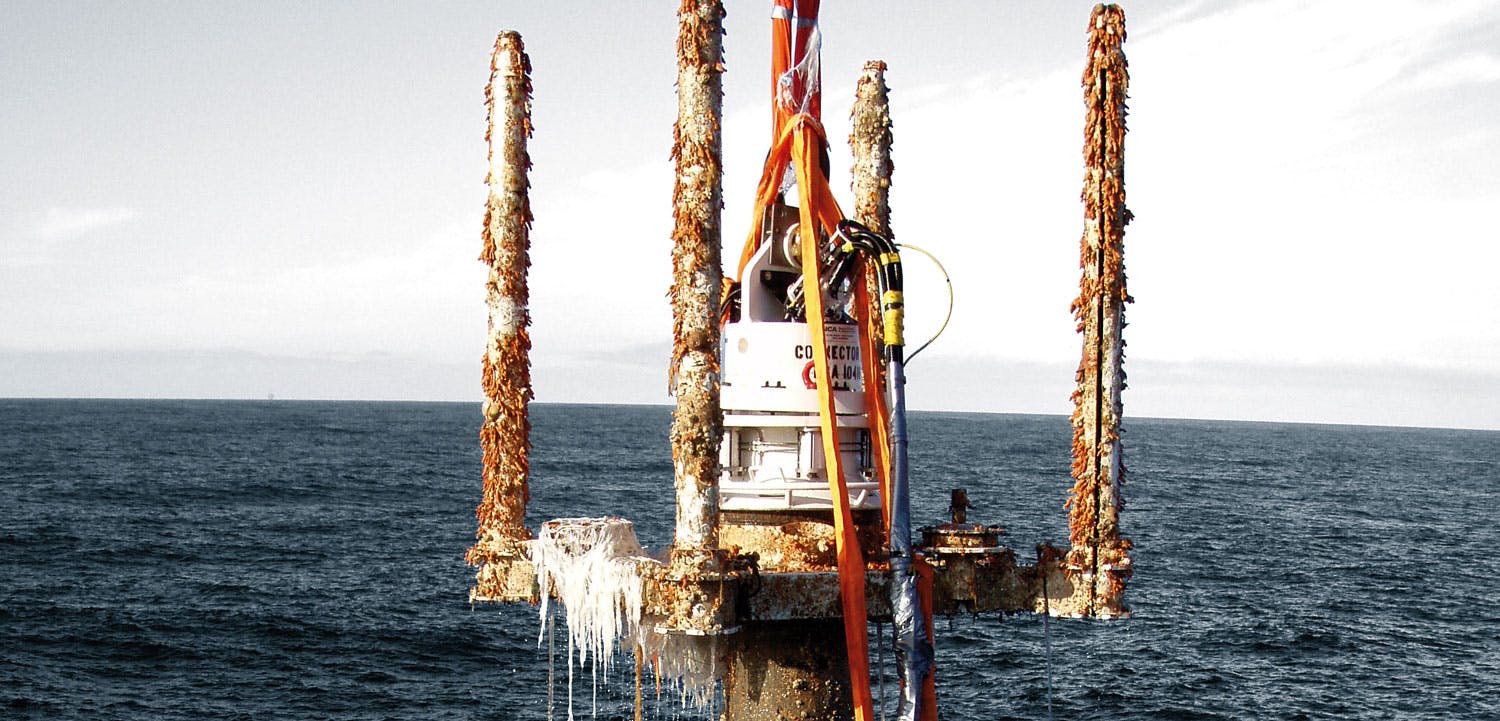
Well abandonment services encompass a wide range of activities designed to permanently seal oil and gas wells, prevent fluid migration, eliminate environmental risks, and restore surrounding sites. These services are essential for ensuring that retired wells do not pose long-term threats to groundwater resources, ecosystems, public health, or nearby communities.
As governments intensify oversight of decommissioning practices and energy companies prioritize sustainability goals, the demand for technologically advanced and cost-efficient well abandonment services is expected to continue growing across both onshore and offshore environments.
Request For Sample Copy of Report For More Detailed Market insight: https://www.techsciresearch.com/sample-report.aspx?cid=29319#requestform
Industry Key Highlights
Global Well Abandonment Services Market expected to reach USD 2.32 Billion by 2031.
Market projected to grow at a CAGR of 4.42% during the forecast period.
Increasing number of mature and depleted oil and gas wells driving market demand.
Growing regulatory pressure regarding safe and environmentally compliant well closure.
Oil & Gas sector remains the dominant end-user segment.
Asia Pacific emerges as the fastest-growing regional market.
Rising adoption of rigless well abandonment technologies.
Increasing investment in offshore decommissioning projects.
Enhanced focus on environmental protection and methane emission reduction.
Growing integration of digital monitoring and predictive maintenance technologies.
Expanding opportunities associated with global energy transition strategies.
Market Overview
Well abandonment refers to the permanent closure and decommissioning of oil, gas, geothermal, and mining wells that have reached the end of their productive life. The process involves plugging the wellbore, removing infrastructure where required, conducting environmental remediation, and ensuring long-term containment of hydrocarbons and other subsurface fluids.
Historically, well abandonment was often viewed as a regulatory obligation rather than a strategic investment. However, growing environmental awareness, increasing public scrutiny, and stricter compliance requirements have elevated abandonment activities to a critical operational priority for energy companies.
Improperly abandoned wells can become sources of methane leakage, groundwater contamination, surface pollution, and safety hazards. Consequently, governments and regulatory agencies worldwide are imposing stricter standards governing well closure procedures.
As a result, specialized well abandonment service providers are playing an increasingly important role in helping operators achieve regulatory compliance while minimizing environmental liabilities and operational risks.
Key Market Drivers
Rising Number of Aging and Depleted Wells
One of the primary drivers fueling the Global Well Abandonment Services Market is the growing inventory of aging and depleted oil and gas wells across major producing regions.
Many oilfields developed decades ago are now approaching the end of their productive lives. As reservoir pressure declines and production volumes decrease, maintaining these wells becomes economically unviable. Consequently, operators are increasingly choosing to retire and abandon mature assets.
The sheer volume of aging wells requiring decommissioning is creating a substantial backlog of abandonment projects worldwide. This trend is particularly evident in North America, Europe, and parts of Asia Pacific, where mature oil and gas basins contain thousands of wells nearing retirement.
As operators work to address these growing liabilities, demand for specialized abandonment services continues to expand.
Stringent Environmental Regulations
Governments and environmental agencies around the world are strengthening regulations governing well abandonment practices.
These regulations are designed to prevent environmental damage resulting from improperly sealed wells. Regulatory authorities now require operators to follow comprehensive plugging and abandonment procedures, conduct environmental assessments, and maintain detailed documentation throughout the decommissioning process.
Failure to comply with regulatory requirements can result in significant financial penalties, legal liabilities, and reputational risks.
As environmental regulations become increasingly stringent, operators are relying more heavily on specialized service providers with the expertise and technologies necessary to meet evolving compliance standards.
Growing Focus on Environmental Sustainability
Environmental sustainability has become a central priority for energy companies worldwide.
Stakeholders, investors, regulators, and local communities increasingly expect companies to demonstrate responsible environmental practices throughout the entire lifecycle of oil and gas assets.
Proper well abandonment plays a critical role in reducing greenhouse gas emissions, protecting groundwater resources, and preventing ecological damage.
Many energy companies are incorporating abandonment programs into broader environmental, social, and governance (ESG) initiatives. This shift is driving increased investment in environmentally responsible decommissioning solutions and creating new opportunities for service providers specializing in sustainable abandonment practices.
Global Energy Transition Accelerating Well Retirement
The global shift toward renewable energy and low-carbon technologies is significantly influencing abandonment activity.
As governments pursue net-zero emission targets and energy companies diversify their portfolios, many operators are reducing investments in mature hydrocarbon assets and reallocating capital toward cleaner energy projects.
This transition is accelerating the retirement of non-productive wells and aging infrastructure, creating a growing pipeline of abandonment projects.
The movement toward renewable energy is therefore not only transforming energy production but also generating long-term demand for well abandonment services.
Economic Optimization and Asset Rationalization
Volatile oil prices and changing market conditions have encouraged operators to optimize asset portfolios.
Maintaining marginal wells often requires significant operational expenditure while generating limited returns. In many cases, abandoning underperforming assets represents a more cost-effective strategy than continued production.
This economic reality is prompting operators to accelerate abandonment programs and focus resources on high-performing assets, further contributing to market growth.
Emerging Trends Reshaping the Market
Adoption of Rigless Well Abandonment Technologies
One of the most notable trends in the Well Abandonment Services Market is the increasing adoption of rigless abandonment solutions.
Traditional abandonment methods often require drilling rigs, which can be costly and time-consuming. Rigless technologies utilize alternative intervention methods that significantly reduce operational expenses while maintaining safety and compliance standards.
These solutions offer enhanced efficiency, reduced environmental impact, and shorter project timelines, making them increasingly attractive to operators seeking cost-effective abandonment strategies.
Digitalization of Well Abandonment Operations
Digital transformation is beginning to reshape abandonment workflows across the industry.
Advanced software platforms, predictive analytics tools, digital twins, and remote monitoring systems are enabling operators to improve project planning, risk assessment, and execution efficiency.
Digital technologies help identify potential challenges before operations commence, reducing downtime and enhancing overall project outcomes.
As the industry embraces digitalization, well abandonment services are becoming more data-driven and technologically sophisticated.
Increased Use of Robotics and Remote Operations
The growing use of remotely operated vehicles (ROVs), robotics, and autonomous inspection technologies is revolutionizing offshore abandonment projects.
These technologies allow operators to perform complex tasks in challenging environments while reducing personnel exposure to hazardous conditions.
Particularly in deepwater and ultra-deepwater projects, robotic solutions improve safety, accuracy, and cost efficiency.
As offshore decommissioning activity increases globally, the role of robotics in abandonment operations is expected to expand significantly.
Advanced Cementing and Barrier Technologies
Innovations in well barrier materials are enhancing the reliability and durability of abandonment projects.
Modern cement formulations provide improved sealing performance, greater resistance to degradation, and enhanced environmental protection.
Research and development efforts continue to focus on creating advanced materials capable of ensuring long-term well integrity under diverse geological conditions.
These advancements contribute to safer and more sustainable abandonment outcomes.
Growing Emphasis on Methane Emission Reduction
Methane emissions have become a major focus area for governments, environmental organizations, and energy companies.
Abandoned wells represent a potential source of methane leakage if not properly sealed. Consequently, operators are prioritizing high-quality abandonment practices designed to minimize emissions and support climate goals.
This focus on methane management is expected to remain a key market driver throughout the forecast period.
Competitive Analysis
Acteon Group Ltd.
AGR Holdco Ltd.
Calfrac Well Services Ltd.
Coretrax Ltd.
Dan Wood Company
Expro Group Holdings NV
Halliburton Company
M and W Drilling LLC
NexTier Oilfield Solutions Inc.
Oceaneering International Inc.
Customers can also request 10% free customization in this report.
Market Opportunities
Several emerging opportunities are expected to support long-term market expansion:
Large-scale decommissioning programs in mature oil-producing regions.
Growing demand for offshore abandonment expertise.
Adoption of environmentally friendly abandonment technologies.
Expansion of digital project management solutions.
Increased investment in methane reduction initiatives.
Development of advanced well integrity monitoring systems.
Rising demand for integrated abandonment and remediation services.
Growth in geothermal well abandonment projects.
Public-private partnerships supporting decommissioning activities.
Expansion of sustainable energy transition programs.
10 Benefits of the Research Report
Provides comprehensive analysis of the Global Well Abandonment Services Market.
Offers detailed market sizing and forecast data through 2031.
Identifies key market drivers and growth opportunities.
Highlights emerging technologies transforming abandonment operations.
Evaluates regional market dynamics and investment potential.
Delivers in-depth segment-wise analysis across service types and applications.
Assesses competitive landscape and strategic developments.
Examines regulatory trends influencing market growth.
Supports informed investment and business expansion decisions.
Enables stakeholders to formulate effective long-term growth strategies.
Contact US:
Techsci Research LLC
420 Lexington Avenue, Suite 300,
New York, United States- 10170
Tel: +13322586602
Email: [email protected]
Comments
Log in or sign up to join the conversation.