

The Global Subsea Well Access and Blowout Preventer (BOP) System Market is entering a new phase of growth as offshore oil and gas operators increasingly focus on deepwater and ultra-deepwater exploration projects. As conventional onshore reserves continue to mature and global energy demand rises, exploration and production companies are investing heavily in offshore resources located in challenging environments. These developments are creating substantial demand for advanced subsea well access technologies and highly reliable blowout preventer systems that ensure operational safety, environmental protection, and drilling efficiency.
According to TechSci Research report, “Global Subsea Well Access and BOP System Market – Industry Size, Share, Trends, Competition Forecast & Opportunities, 2031F”, The Global Subsea Well Access and BOP System Market is projected to grow from USD 7.11 Billion in 2025 to USD 9.29 Billion by 2031 at a 4.56% CAGR.
Subsea well access systems and BOP systems play a crucial role in offshore drilling operations by enabling safe intervention, monitoring, maintenance, and pressure control within subsea wells. These systems are considered indispensable assets in modern offshore exploration projects where operational complexity and environmental risks are significantly higher than traditional onshore drilling operations.
As offshore operators strive to maximize hydrocarbon recovery while minimizing operational risks, the adoption of sophisticated subsea technologies continues to accelerate, positioning the market for long-term growth.
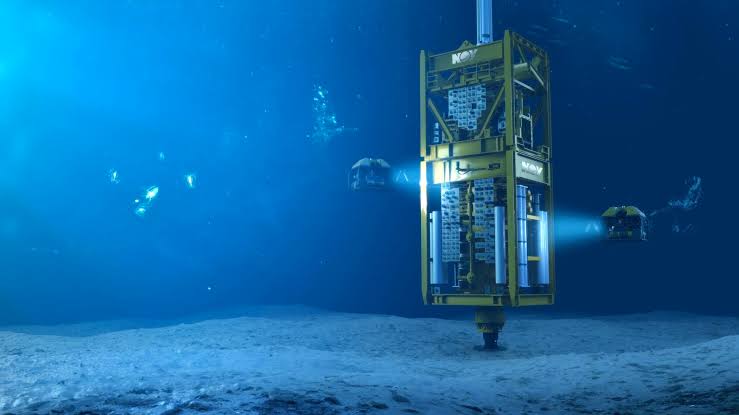
Industry Key Highlights
Global Subsea Well Access and BOP System Market valued at USD 7.11 Billion in 2025.
Market projected to reach USD 9.29 Billion by 2031.
Expected CAGR of 4.56% during the forecast period.
Growing offshore oil and gas exploration activities driving market expansion.
Deepwater and ultra-deepwater drilling projects generating strong demand.
Surface BOP segment dominated the market in 2025.
Asia Pacific emerged as the fastest-growing regional market.
Rising investments in offshore infrastructure supporting market growth.
Increasing focus on safety, environmental compliance, and operational efficiency.
Growing adoption of automation, digital monitoring, and predictive maintenance technologies.
Request For Sample Copy of Report For More Detailed Market insight: https://www.techsciresearch.com/sample-report.aspx?cid=28846#requestform
Market Overview
The subsea oil and gas industry remains one of the most technologically advanced sectors within the global energy ecosystem. Operators continue to explore deeper waters and increasingly complex reservoirs to meet growing energy requirements. This shift toward offshore resources has significantly increased the importance of subsea well access and blowout prevention systems.
Subsea well access systems enable operators to safely interact with offshore wells for intervention, maintenance, completion, and production optimization activities. Blowout Preventer (BOP) systems, meanwhile, serve as critical safety barriers designed to control well pressure and prevent uncontrolled hydrocarbon releases during drilling operations.
The increasing complexity of offshore developments has made advanced well control systems essential for ensuring operational integrity and environmental protection. Companies are therefore investing heavily in technologically advanced subsea equipment capable of functioning efficiently under extreme pressure, temperature, and environmental conditions.
Furthermore, increasing concerns regarding offshore accidents and environmental incidents have reinforced the industry's commitment to adopting high-performance BOP systems that comply with international safety standards.
Key Market Drivers
Growing Deepwater and Ultra-Deepwater Exploration Activities
One of the primary drivers of the Global Subsea Well Access and BOP System Market is the increasing focus on deepwater and ultra-deepwater exploration.
Many of the world's easily accessible hydrocarbon reserves have already been exploited, prompting exploration companies to seek untapped resources located beneath deep ocean waters. These offshore reserves often contain significant quantities of oil and natural gas but require advanced technologies to access and develop economically.
Deepwater projects demand sophisticated subsea well access solutions and highly reliable BOP systems capable of maintaining control in challenging underwater environments. As energy companies continue expanding offshore exploration programs, demand for these critical technologies is expected to rise steadily.
Major offshore basins in regions such as the Gulf of Mexico, Brazil, West Africa, the North Sea, and Asia Pacific are witnessing substantial exploration activity, creating lucrative opportunities for equipment manufacturers and service providers.
Increasing Focus on Operational Safety
Safety remains a top priority in offshore drilling operations due to the potentially catastrophic consequences of well control failures.
BOP systems represent the first line of defense against blowouts and uncontrolled hydrocarbon releases. Regulatory agencies worldwide have introduced increasingly stringent requirements governing offshore drilling safety, encouraging operators to deploy more advanced and reliable pressure control technologies.
Organizations are investing in next-generation BOP systems equipped with enhanced redundancy, automated control capabilities, and real-time monitoring features to improve operational safety and reduce risk exposure.
The industry's commitment to preventing environmental disasters and ensuring workforce safety continues to drive investments in sophisticated well control systems.
Rising Global Energy Demand
Despite the growing adoption of renewable energy sources, oil and natural gas continue to play a crucial role in the global energy mix.
Rapid industrialization, urbanization, and population growth across emerging economies are contributing to sustained energy demand. To meet these requirements, oil and gas companies are expanding exploration activities and investing in offshore production projects.
This ongoing need for energy resources is directly supporting demand for subsea well access and BOP systems required to safely develop offshore reserves.
Expansion of Offshore Infrastructure
Governments and energy companies worldwide are investing heavily in offshore infrastructure development.
Floating production systems, subsea processing facilities, offshore platforms, and underwater pipeline networks are becoming increasingly sophisticated and widespread. These developments require advanced subsea intervention and well control solutions to ensure safe and uninterrupted operations.
As offshore infrastructure continues to expand, the demand for subsea well access equipment and BOP systems is expected to increase correspondingly.
Emerging Trends Transforming the Market
Integration of Digital Technologies
Digital transformation is reshaping offshore operations across the energy sector.
Modern subsea well access and BOP systems are increasingly incorporating advanced sensors, cloud connectivity, artificial intelligence, and real-time analytics capabilities. These technologies enable operators to monitor equipment performance continuously and identify potential issues before they escalate into critical failures.
Digital monitoring systems improve operational visibility, enhance safety, reduce downtime, and support predictive maintenance strategies.
The growing adoption of digital oilfield technologies is expected to remain a major trend throughout the forecast period.
Automation and Remote Operations
Automation is becoming an integral component of offshore drilling and production activities.
Advanced subsea systems now feature automated control mechanisms capable of executing critical safety functions with minimal human intervention. Remote operation technologies allow engineers to monitor and manage subsea equipment from onshore control centers, reducing operational costs and improving safety.
The trend toward autonomous offshore operations is accelerating investment in intelligent BOP systems and digitally enabled well access solutions.
Development of High-Pressure High-Temperature (HPHT) Technologies
The industry is increasingly targeting high-pressure, high-temperature reservoirs that offer significant hydrocarbon potential.
These reservoirs present unique operational challenges requiring specialized well access systems and BOP technologies capable of withstanding extreme conditions.
Manufacturers are developing next-generation HPHT-compatible solutions designed to improve reliability and performance in demanding offshore environments.
As exploration activities move into deeper and more complex reservoirs, demand for HPHT technologies is expected to grow substantially.
Sustainable Offshore Operations
Environmental sustainability is becoming a strategic priority for offshore operators.
Companies are increasingly adopting technologies that minimize emissions, reduce environmental risks, and improve resource efficiency. Advanced BOP systems contribute to sustainability objectives by preventing leaks, spills, and blowouts that could damage marine ecosystems.
The industry's focus on environmentally responsible operations is encouraging investment in safer and more efficient subsea technologies.
Regional Analysis
Asia Pacific Emerges as the Fastest-Growing Market
Asia Pacific is expected to register the fastest growth in the Global Subsea Well Access and BOP System Market.
Countries such as China, India, Malaysia, Indonesia, Vietnam, and Australia are investing heavily in offshore oil and gas exploration to strengthen energy security and support economic development.
Rising offshore production activities, increasing investments in deepwater projects, and expanding subsea infrastructure are creating substantial demand for advanced well access and BOP systems.
Additionally, regulatory reforms promoting safety and environmental protection are encouraging operators to adopt next-generation subsea technologies.
The region's growing energy consumption and expanding offshore exploration programs are expected to position Asia Pacific as a major growth engine for the global market.
Competitive Analysis
Baker Hughes Company
Schlumberger Limited
National Oilwell Varco Inc.
Shandong Kerui Holding Group Co. Ltd
Weatherford International Plc.
Prysmian S.p.A.
Halliburton Company
Schlumberger Limited
Saipem S.p.A
Huisman Equipment B.V.
Customers can also request 10% free customization in this report.
Market Opportunities
Several factors are creating attractive growth opportunities within the subsea well access and BOP system industry:
Expansion of deepwater and ultra-deepwater exploration projects.
Rising offshore investments in emerging economies.
Increasing demand for HPHT-compatible equipment.
Growing adoption of digital oilfield technologies.
Expansion of offshore natural gas production.
Development of intelligent subsea infrastructure.
Integration of automation and remote operations.
Increasing focus on environmental protection and operational safety.
Growth of offshore energy projects in Asia Pacific.
Modernization and replacement of aging offshore equipment.
These opportunities are expected to drive innovation and market expansion over the coming decade.
Contact US:
Techsci Research LLC
420 Lexington Avenue, Suite 300,
New York, United States- 10170
Tel: +13322586602
Email: [email protected]
Web: https://www.techsciresearch.com/
Comments
Log in or sign up to join the conversation.