

According to TechSci Research, the Global Wastewater Recovery System Market is projected to grow from USD 43.35 Billion in 2025 to USD 72.58 Billion by 2031 at a 8.97% CAGR. The market is witnessing remarkable momentum as governments strengthen water conservation regulations while industries increasingly adopt water recycling solutions to improve operational resilience.
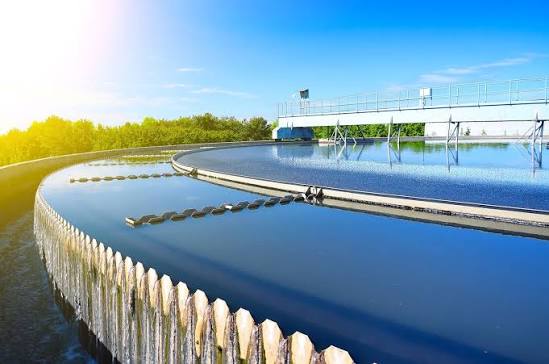
Unlike traditional wastewater treatment systems designed primarily for safe disposal, modern wastewater recovery technologies focus on recovering usable water, valuable minerals, nutrients, and energy from wastewater streams. This shift aligns closely with the growing global emphasis on resource efficiency, environmental sustainability, and circular economy principles.
Industries including food & beverage, pharmaceuticals, textiles, chemicals, mining, oil & gas, power generation, and electronics manufacturing are investing heavily in advanced wastewater recovery technologies to minimize freshwater dependency and meet increasingly strict discharge regulations. Municipal authorities are also modernizing aging treatment infrastructure by integrating advanced recovery systems capable of producing reclaimed water suitable for irrigation, industrial applications, groundwater recharge, and even indirect potable reuse.
Technological advancements have transformed wastewater recovery systems from large, centralized facilities into highly efficient modular, decentralized, and digitally connected solutions. Intelligent monitoring systems, automation, membrane filtration technologies, artificial intelligence, and predictive maintenance have dramatically improved system efficiency while lowering operational costs.
As climate-related water shortages continue affecting countries worldwide, wastewater recovery has become an essential component of long-term water security strategies. Organizations are recognizing that investing in advanced recovery systems is no longer simply an environmental initiative—it has become a strategic business decision that improves resilience, enhances ESG performance, and creates long-term operational value.
Request For Sample Copy of Report For More Detailed Market insight: https://www.techsciresearch.com/sample-report.aspx?cid=29790#requestform
Industry Key Highlights
Growing emphasis on water reuse and circular economy initiatives
Membrane Bioreactor (MBR) technology emerging as the fastest-growing technology segment
Asia Pacific expected to record the highest regional growth
Increasing industrial demand for wastewater recycling
Rising government investment in wastewater infrastructure
Growing adoption of decentralized treatment systems
Rapid deployment of modular wastewater recovery solutions
Expansion of smart water management technologies
Integration of Artificial Intelligence and IoT into treatment facilities
Rising demand from pharmaceuticals, food processing, mining, and manufacturing industries
Growing ESG commitments encouraging sustainable water management
Digital monitoring improving operational efficiency and system reliability
Market Overview
Veolia Environnement S.A.
SUEZ SA
Xylem Inc.
Evoqua Water Technologies Corp.
Pentair plc
Aquatech International LLC
Alfa Laval AB
Thermax Ltd.
Lenntech B.V.
Toray Industries Inc.
Customers can also request for 10% free customization on this report.
Main Drivers & Trends
Growing Global Water Scarcity
Freshwater availability continues to decline due to rapid urbanization, population growth, changing climate patterns, and excessive groundwater extraction.
Many regions already experience severe water stress, forcing governments and industries to seek alternative water sources.
Wastewater recovery provides one of the most sustainable solutions by transforming used water into a reliable secondary resource.
Industries adopting recovery systems reduce dependence on freshwater supplies while strengthening operational resilience during drought conditions.
Rising Environmental Regulations
Governments worldwide continue implementing stricter wastewater discharge standards.
Industrial facilities are increasingly required to reduce pollutants before wastewater discharge while demonstrating responsible water management practices.
Failure to comply with environmental regulations can result in financial penalties, operational restrictions, and reputational damage.
Consequently, organizations are investing in advanced recovery technologies that exceed compliance requirements while generating long-term operational savings.
Expansion of Industrial Manufacturing
Rapid industrialization continues driving wastewater generation across sectors including:
Chemicals
Pharmaceuticals
Food & Beverage
Textiles
Automotive
Electronics
Mining
Oil & Gas
These industries consume enormous volumes of water throughout production processes.
Wastewater recovery systems enable manufacturers to recycle process water, reduce operating expenses, and improve sustainability performance.
Emerging Trends
Membrane Bioreactor (MBR) Technology Driving the Next Generation of Water Recovery
One of the most transformative developments in the Global Wastewater Recovery System Market is the rapid adoption of Membrane Bioreactor (MBR) technology. MBR systems combine biological treatment with advanced membrane filtration, producing high-quality treated water suitable for industrial reuse, irrigation, and various non-potable applications. Compared to conventional wastewater treatment methods, MBR systems offer significantly higher contaminant removal efficiency while occupying substantially less installation space.
Their compact footprint makes them ideal for densely populated urban environments where land availability is limited. Additionally, MBR systems consistently achieve removal efficiencies exceeding 95% for suspended solids and microbial contaminants, enabling industries and municipalities to comply with increasingly stringent environmental standards. As organizations seek reliable and sustainable water reuse solutions, MBR technology is emerging as the preferred treatment option across multiple industries.
The flexibility of MBR systems also allows them to be integrated into both new facilities and existing treatment plants undergoing modernization. As membrane durability improves and operational costs continue to decline, adoption is expected to accelerate significantly throughout the forecast period.
Decentralized Wastewater Recovery Becoming the New Standard
Another major trend reshaping the market is the transition from centralized wastewater treatment infrastructure toward decentralized recovery systems.
Traditional centralized plants require substantial investments in pipelines, land acquisition, civil construction, and long implementation timelines. In contrast, decentralized systems are installed closer to wastewater generation points, enabling organizations to recover and reuse water directly on-site.
Artificial Intelligence Revolutionizing Water Treatment
Artificial Intelligence (AI) is rapidly transforming wastewater recovery operations by enabling intelligent process optimization.
AI-powered software continuously analyzes operational data collected from treatment equipment, pumps, valves, membranes, and sensors. Machine learning algorithms identify inefficiencies, predict equipment failures, optimize chemical dosing, and recommend maintenance schedules.
Zero Liquid Discharge (ZLD) Gaining Momentum
Many industrial sectors are adopting Zero Liquid Discharge systems to eliminate wastewater disposal entirely.
ZLD technologies recover nearly all available water while converting remaining waste into reusable solids.
Competitive Analysis
The Global Wastewater Recovery System Market remains highly competitive, characterized by the presence of several multinational water technology providers offering comprehensive treatment solutions across municipal, industrial, and commercial applications.
Veolia Environnement S.A.
SUEZ SA
Xylem Inc.
Evoqua Water Technologies Corp.
Pentair plc
Aquatech International LLC
Alfa Laval AB
Thermax Ltd.
Lenntech B.V.
Toray Industries Inc.
Customers can also request for 10% free customization on this report.
Future Outlook
The Global Wastewater Recovery System Market is expected to experience sustained growth throughout the forecast period as water scarcity, environmental regulations, industrial expansion, and climate resilience continue shaping investment priorities.
Future market growth will increasingly be driven by the transition toward circular water management, where wastewater becomes a valuable resource rather than a disposal challenge.
Several structural trends are expected to define the industry's future:
Smart Water Infrastructure
Future wastewater recovery facilities will become highly connected, intelligent ecosystems integrating Artificial Intelligence, Industrial IoT, cloud computing, digital twins, robotics, and predictive analytics.
Real-time optimization will improve treatment efficiency while reducing operational costs.
Expansion of Decentralized Treatment
Compact modular treatment systems will continue replacing traditional centralized infrastructure in many commercial and industrial applications.
Hotels, airports, hospitals, industrial parks, educational institutions, residential communities, and manufacturing facilities are expected to become major adopters.
Growth of Industrial Water Recycling
Industries are increasingly recognizing water reuse as both an environmental responsibility and a financial opportunity.
Future manufacturing facilities will be designed with integrated water recycling infrastructure capable of minimizing freshwater consumption while maximizing operational efficiency.
Conclusion
The Global Wastewater Recovery System Market is entering a transformative phase as industries, municipalities, and governments increasingly recognize wastewater as a strategic resource rather than a disposal challenge. projected to grow from USD 43.35 Billion in 2025 to USD 72.58 Billion by 2031 at a 8.97% CAGR. reflecting strong momentum driven by water scarcity, industrial sustainability initiatives, and technological innovation.
Growing demand for decentralized treatment systems, membrane bioreactors, reverse osmosis technologies, and digitally connected water management platforms is reshaping the competitive landscape. Organizations are investing in advanced wastewater recovery systems not only to comply with environmental regulations but also to improve operational efficiency, reduce freshwater dependence, lower long-term costs, and strengthen ESG performance.
Contact US:
Techsci Research LLC
420 Lexington Avenue, Suite 300,
New York, United States- 10170
Tel: +13322586602
Email: [email protected]
Comments
Log in or sign up to join the conversation.