

Introduction
Modern warehouses are no longer simple storage spaces filled with stacked boxes and unorganized inventory. Today, warehouses are intelligent operational hubs that support logistics, manufacturing, retail distribution, and industrial supply chains. At the center of this transformation lies one critical solution: the warehouse racking system.
A warehouse racking system is more than just metal shelves used for storage. It is a strategic infrastructure solution that helps businesses maximize space utilization, improve inventory organization, enhance operational efficiency, and reduce long-term operational costs. From large logistics centers to industrial warehouses and manufacturing facilities, warehouse racking systems have become essential for modern business operations.
As industries continue to expand globally, especially in developing industrial markets such as Saudi Arabia, the demand for advanced warehouse storage systems is growing rapidly. Businesses are increasingly investing in durable and customized racking solutions that improve workflow, increase storage capacity, and support fast-moving supply chain operations.
What Is a Warehouse Racking System?
A warehouse racking system is a structured storage framework designed to store products, pallets, materials, and inventory efficiently within a warehouse or industrial facility. These systems are engineered using high-strength steel and industrial-grade materials capable of handling heavy loads and continuous warehouse operations.
Unlike traditional storage methods, racking systems allow businesses to maximize vertical storage space while maintaining easy access to inventory. This organized approach improves warehouse productivity and reduces clutter, making operations safer and more efficient.
Warehouse racking systems are widely used in:
Logistics centers
Industrial warehouses
Manufacturing plants
Retail distribution centers
Cold storage facilities
Automotive industries
Construction material storage
E-commerce fulfillment centers
Modern warehouse operations depend heavily on efficient storage systems because inventory management and order fulfillment directly impact productivity and customer satisfaction.
Why Warehouse Racking Systems Matter
Efficient warehouse storage is one of the biggest operational challenges for growing businesses. Without proper organization, warehouses can quickly become overcrowded, inefficient, and unsafe.
A properly designed warehouse racking system solves these challenges by creating structured inventory storage areas that improve accessibility, workflow, and operational control.
1. Maximizing Storage Capacity
One of the biggest advantages of warehouse racking systems is the ability to use vertical space effectively. Instead of relying only on floor storage, businesses can install multi-level racking systems that significantly increase storage capacity without expanding warehouse size.
This helps companies reduce facility costs while storing larger inventory volumes efficiently.
2. Improving Warehouse Organization
Organized inventory management is essential for fast-moving operations. Warehouse racks help businesses categorize products systematically, making it easier to locate, track, and manage inventory.
An organized warehouse reduces picking errors and improves operational accuracy.
3. Enhancing Workplace Safety
Safety is a major priority in industrial environments. Poorly organized warehouses increase the risk of workplace accidents, damaged inventory, and operational disruptions.
Industrial-grade racking systems are engineered to support heavy loads safely while improving warehouse organization and reducing hazards.
4. Increasing Operational Efficiency
Warehouse productivity depends heavily on accessibility and workflow efficiency. Proper racking systems allow workers to retrieve products faster, reducing downtime and improving order fulfillment speed.
This becomes especially important in industries with high inventory turnover.
5. Supporting Business Growth
As businesses grow, inventory volumes also increase. Scalable warehouse racking systems allow companies to expand storage capacity without major infrastructure changes.
This flexibility supports long-term operational growth and warehouse optimization.
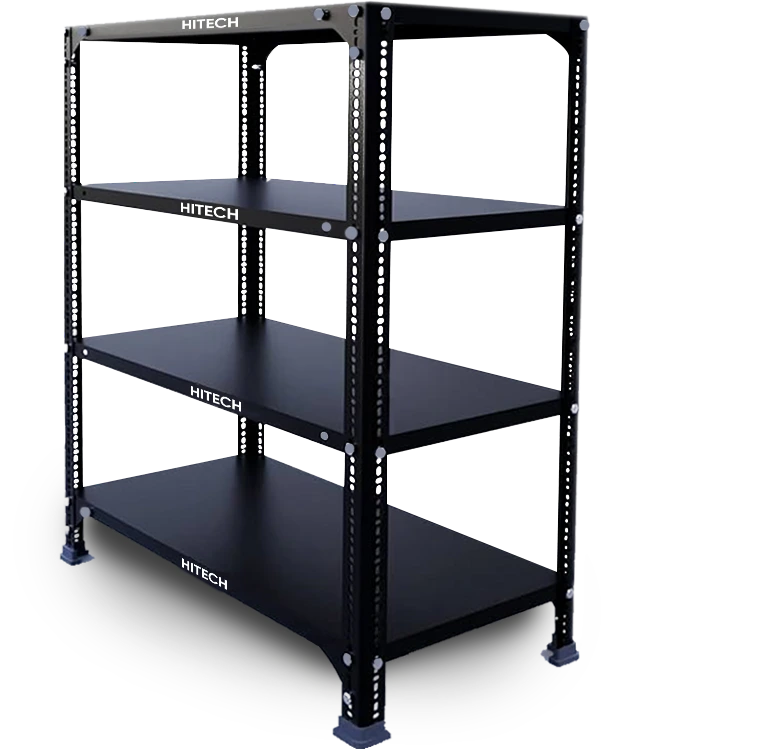
Types of Warehouse Racking Systems
Different industries require different warehouse storage solutions depending on inventory type, operational workflow, and storage requirements. Below are some of the most commonly used warehouse racking systems.
Selective Pallet Racking
Selective pallet racking is one of the most widely used storage systems worldwide. It provides direct access to every pallet, making it highly efficient for warehouses handling diverse inventory.
Benefits:
Easy product access
Cost-effective installation
Flexible storage configuration
Suitable for most industries
This system is ideal for warehouses requiring frequent inventory movement and accessibility.
Drive-In Racking Systems
Drive-in racking systems are designed for high-density storage operations. Forklifts can enter the rack structure directly to load and retrieve pallets.
Advantages:
Maximizes storage density
Reduces aisle requirements
Ideal for bulk inventory storage
These systems are commonly used in cold storage and large industrial warehouses.
Cantilever Racking Systems
Cantilever racks are specifically designed for storing long and oversized materials such as steel bars, pipes, timber, and construction materials.
Features:
Open-front design
Easy loading and unloading
Suitable for irregularly shaped products
Industries handling long materials rely heavily on cantilever storage systems.
Mezzanine Storage Systems
Mezzanine racking systems create additional storage levels within a warehouse by utilizing vertical overhead space.
Benefits:
Expands storage capacity
Maximizes warehouse space
Cost-effective alternative to facility expansion
These systems are commonly used in e-commerce and logistics operations.
Heavy-Duty Industrial Racks
Heavy-duty racks are designed for industrial environments where large and heavy products require secure storage.
Common Applications:
Manufacturing facilities
Industrial warehouses
Automotive storage
Construction materials storage
These racks provide maximum durability and long-term operational reliability.
Warehouse Racking Systems in Saudi Arabia
Saudi Arabia’s industrial and logistics sectors are expanding rapidly due to economic diversification, infrastructure development, and growing e-commerce operations. As warehouse demand increases, businesses are investing in modern storage systems to improve operational performance.
Warehouses across Riyadh, Jeddah, and Dammam are adopting advanced racking systems to support inventory management and supply chain efficiency.
Industries benefiting from warehouse storage solutions in Saudi Arabia include:
Construction industry
Manufacturing sector
Logistics and transportation
Retail and e-commerce
Food and beverage storage
Industrial equipment suppliers
The growing demand for industrial storage systems has increased the need for customized warehouse solutions designed for specific operational requirements.
Choosing the Right Warehouse Racking System
Selecting the right warehouse storage system requires careful planning. Businesses must evaluate operational needs, inventory type, and warehouse layout before installation.
Key Factors to Consider
Warehouse Space
Warehouse dimensions and ceiling height determine the most suitable storage configuration.
Product Weight and Size
Heavy products require industrial-grade racks capable of handling large loads safely.
Inventory Movement
Fast-moving inventory requires easy-access storage systems for efficient operations.
Future Expansion
Scalable storage systems allow businesses to expand warehouse capacity as operational needs grow.
Material Handling Equipment
Forklifts and warehouse equipment must be compatible with the selected racking system.
The Role of Technology in Modern Warehousing
Technology is transforming warehouse operations globally. Modern warehouses now combine advanced storage systems with automation and smart inventory management technologies.
Today’s warehouse racking systems support:
Barcode inventory tracking
RFID technology
Warehouse management systems (WMS)
Automated storage systems
Real-time inventory monitoring
This integration improves inventory accuracy, operational speed, and overall warehouse performance.
Warehouse Safety and Maintenance
Proper maintenance is essential for ensuring warehouse safety and long-term rack performance.
Best Practices:
Conduct regular inspections
Avoid rack overloading
Train warehouse staff properly
Replace damaged components immediately
Follow load capacity guidelines
Ensure professional installation
Regular inspections help businesses maintain safe and efficient warehouse operations.
Future of Warehouse Racking Systems
The future of warehouse storage is becoming smarter, faster, and more automated. Businesses are increasingly adopting intelligent warehousing technologies to improve efficiency and reduce operational costs.
Future trends may include:
AI-powered warehouse systems
Automated robotic storage
Smart inventory tracking
Sustainable storage materials
Flexible modular racking designs
Companies investing in modern warehouse infrastructure today are positioning themselves for long-term growth and operational success.
Final Thoughts
Warehouse racking systems have become an essential part of modern industrial and logistics operations. They help businesses improve storage efficiency, maximize warehouse space, enhance inventory management, and increase workplace safety.
As industries continue to grow in Saudi Arabia and globally, the demand for advanced warehouse storage solutions will continue to rise. Whether for logistics centers, industrial facilities, manufacturing plants, or retail warehouses, investing in the right warehouse racking system is critical for operational success.
Modern businesses require smarter storage solutions, and warehouse racking systems provide the foundation for efficient, organized, and scalable warehouse operations.
Comments
Log in or sign up to join the conversation.