

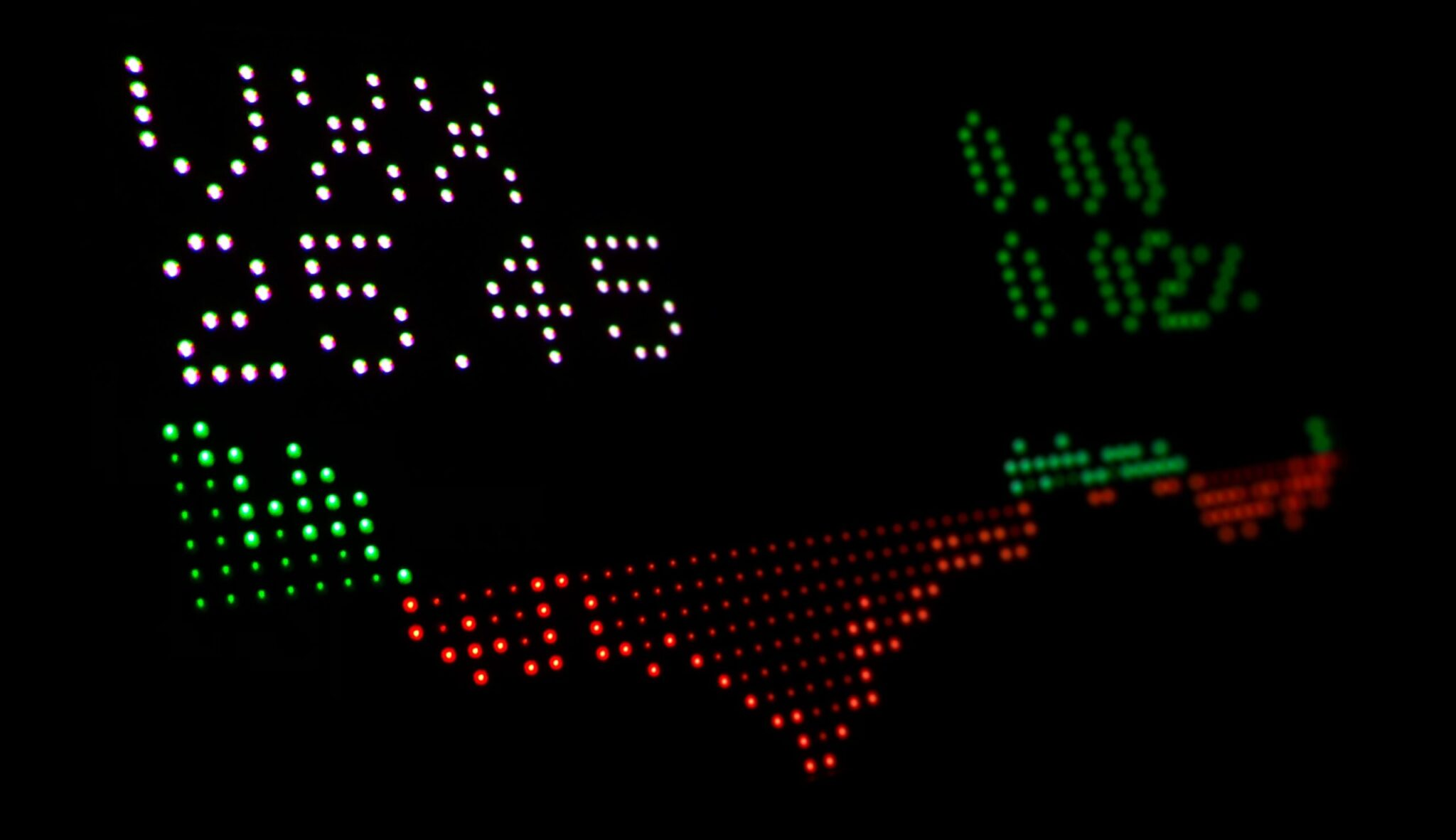
Every time volatility spikes, I watch the same thing happen. Traders panic. They close positions early, go to cash, and then sit on the sidelines waiting for things to “calm down.” And in doing so, they miss some of the best opportunities the market has to offer. I’ve said it for years and I’ll keep saying it: volatility is opportunity.
What Volatility Actually Measures
Most traders think of volatility as chaos. But implied volatility (IV) isn’t chaos — it’s fear quantified. It’s the market’s expectation of future price movement, priced into every options contract. While IV is high, options premiums are expensive. When you’re on the right side of that — selling protection intelligently with defined risk — you benefit directly from that elevated fear. The crowd runs from volatility. The educated trader runs toward it.
Volatility Is Mean Reverting
Here’s one of the most powerful concepts in trading: volatility always comes back to its average. Extreme spikes don’t last. Neither do unusually quiet markets. When implied volatility spikes around a major event — earnings, a Fed decision, geopolitical news — and then that event passes, IV typically collapses. That collapse benefits options sellers. It’s called IV crush, and knowing when it’s coming is one of the most valuable edges you can develop.
Stop Trading Only Direction
Most retail traders are obsessed with one question: which way is this going? Direction matters, but it’s only one dimension. Options trade on price, time, and volatility. You can be right about direction and still lose money if you overpay for premium. You can be wrong about direction and still profit if you structure the trade correctly.
Start asking: what is volatility doing, and how does that change my strategy?
The Bottom Line
Volatility is the language of the options market. Learn to read it, trade it, and respect it — not react to it. When everyone else sees chaos, you’ll see a setup. That’s the edge.


Comments
Log in or sign up to join the conversation.