

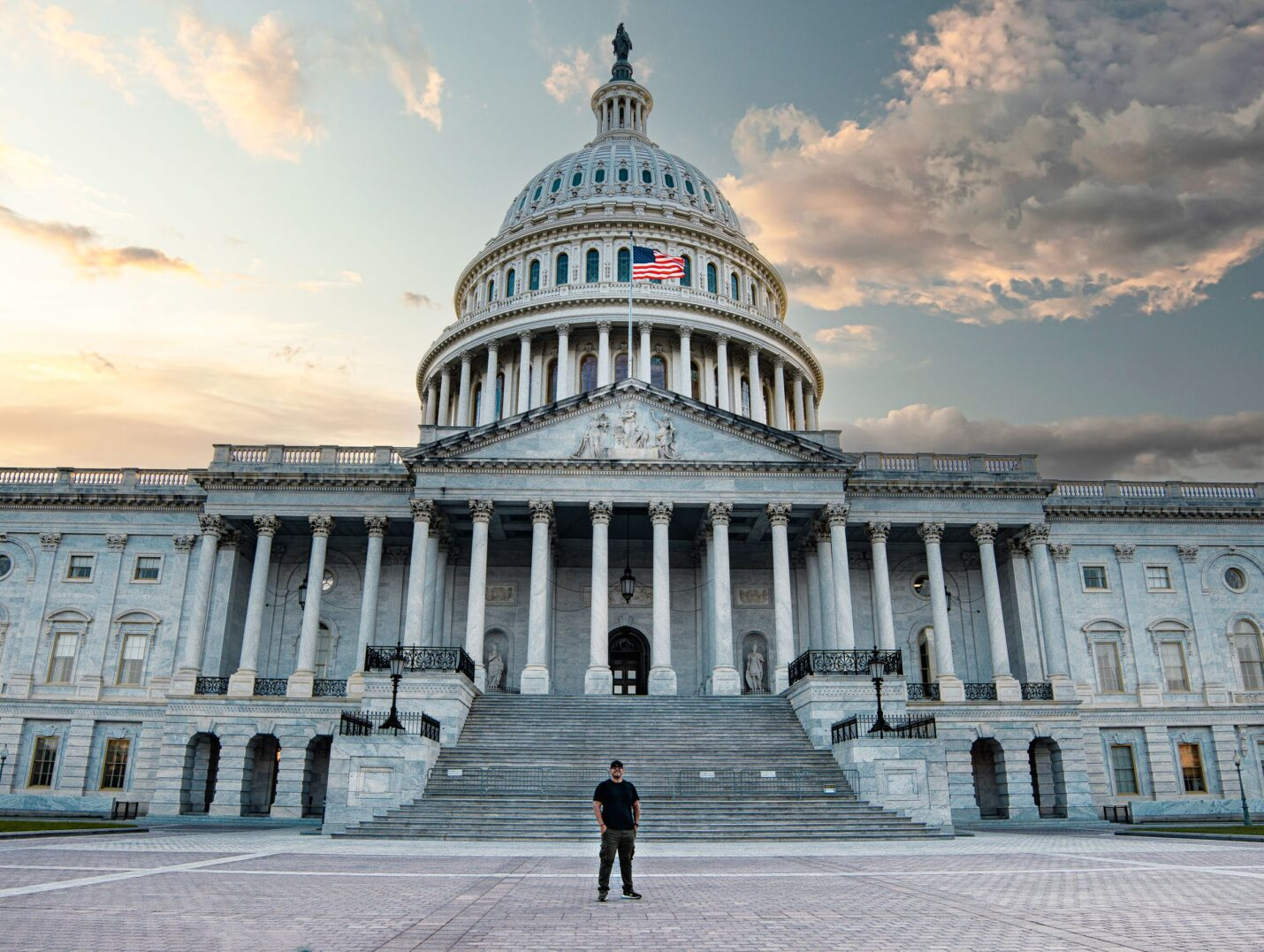
Americans voted on Tuesday in midterm elections that decide control of both chambers of Congress, with all 435 House seats and 35 Senate seats on the ballot. Republicans hold a 53-47 Senate majority, so Democrats need a net gain of four seats to take the chamber, and final polling averages put them about 9 points ahead on the generic congressional ballot.
The first polls close at 7 p.m. Eastern in Georgia, South Carolina, Vermont and Virginia, among other states, and Alaska reports last, around 1 a.m. Eastern. Many close races may not be called on election night, and states such as Georgia and North Carolina count early and mail ballots first, which can skew early returns.
Turnout before Election Day was heavy. More than 59 million people had voted early nationally, and a tracker run from state data showed about 60.1 million mail and in-person early votes by mid-afternoon. Minnesota recorded 886,427 early ballots through Sunday, a midterm record that compares with 687,062 in 2022.
Money has set a record as well. Candidates and outside groups have spent close to $12 billion, with political advertising alone projected at $11.6 billion. Dark-money spending is set to pass $1.5 billion, up from the previous record of $1.35 billion in 2024.
Eleven Senate races are seen as competitive, including Alaska, Georgia, Iowa, Maine, Michigan, Ohio and Texas. The final New York Times/Siena survey showed Democrats ahead in all seven toss-up races it polled.
Prediction markets have moved toward Democrats. Kalshi priced a Democratic Senate majority at 74% on Monday, the highest since the market opened, and at about 75% on Election Day, with Polymarket near 76%. The odds of a Democratic House were about 94% on both platforms. Republicans were the favorites in the Senate market as recently as July, when their odds reached 60%. In Texas, Kalshi’s Democratic odds rose to 74% from 68.4% over 24 hours, and in Kansas to 63% from 52%, in a state that has not elected a Democratic senator since 1932.
Voting has not gone smoothly everywhere. Ballot scanners failed at most sites in Westchester County, New York, which has a pivotal House race, after a late programming change that was not loaded onto other machines. Officials said rejected ballots were not miscounted.
The vote comes with the Iran war in its ninth month and energy prices up since it began, and affordability is among the issues campaigns have centered on.



Comments
Log in or sign up to join the conversation.