

Despite a fall in wage growth and jobs created, the unemployment rate fell to December 2000 low of 3.9%. short GBPUSD?
Earlier indicators show that a below-estimate US jobs report is possible, which could weigh on the dollar. However, unemployment rate surprised the market with a staggering 3.9%, the lowest since December 2000.
- 164k jobs were created versus the forecasted of 190k.
- Both ISM manufacturing and service PMI dropped substantially last month, suggesting business environment turned tougher in the month of April
- Despite US Initial Jobless Claims 4 Week Moving Average was largely unchanged, unemployment rate surprised the market. There have been four periods since 1950 when the unemployment rate flirted with sub-4% readings: 1951-53, 1956-57, 1966-70 and 2000.
- Even though wage growth, which was supposed to be the main focus, fell from 0.2% to 0.1% the market took a cue from the unemployment rate.
- The fall in wage growth indicates that recent pick-up in inflation could be just driven by higher oil prices.
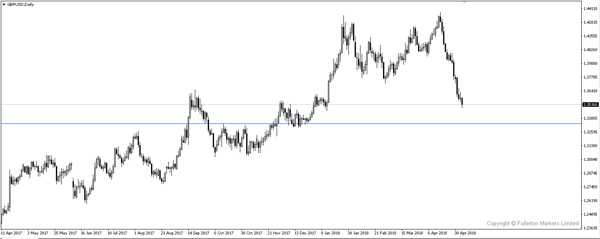
- The buying pressure of GBP/USD was short-lived given that softer data was met with better than expected unemployment rate, causing it to fall through the 1.3500 handle.



Comments
Log in or sign up to join the conversation.