
There comes a moment in every computer owner’s life when the spinning wheel of death becomes a regular visitor. Applications take forever to launch, the fan sounds like a small aircraft taking off, and you find yourself talking to the machine in ways that are not particularly polite. You know it is time for an upgrade. But here is the question that stops most people cold: do I really have to spend seven hundred or eight hundred dollars to get out of this mess? The answer, thankfully, is no. Walking into a PC shop and looking at their refurbished selection might be the best decision you make all year. These are not the same old slow computers you are trying to replace. These are former business-class machines that have been cleaned, upgraded, and tested until they run like new. You get the performance boost you desperately need without the financial hangover that usually comes with new tech. That is what a real upgrade looks like.
What Upgrading Really Means in the Refurbished World
When most people think about upgrading their computer, they imagine buying a brand new machine in a sealed box. But upgrading is really about improving your daily experience, not about owning the newest model year. A refurbished PC from a good shop delivers exactly that improvement. Maybe your current computer has a slow mechanical hard drive that takes two minutes to boot up. A refurbished machine with a solid-state drive will boot in fifteen seconds. Maybe your old computer chokes the moment you open more than five browser tabs. A refurbished business desktop with eight or sixteen gigabytes of RAM will handle twenty tabs without breaking a sweat. The leap in performance between a five-year-old budget laptop and a three-year-old refurbished business desktop is enormous. You are not downgrading or settling. You are making a lateral move to better hardware for a fraction of the price of something brand new.
Why Reliability Is Built into Refurbished Business Machines
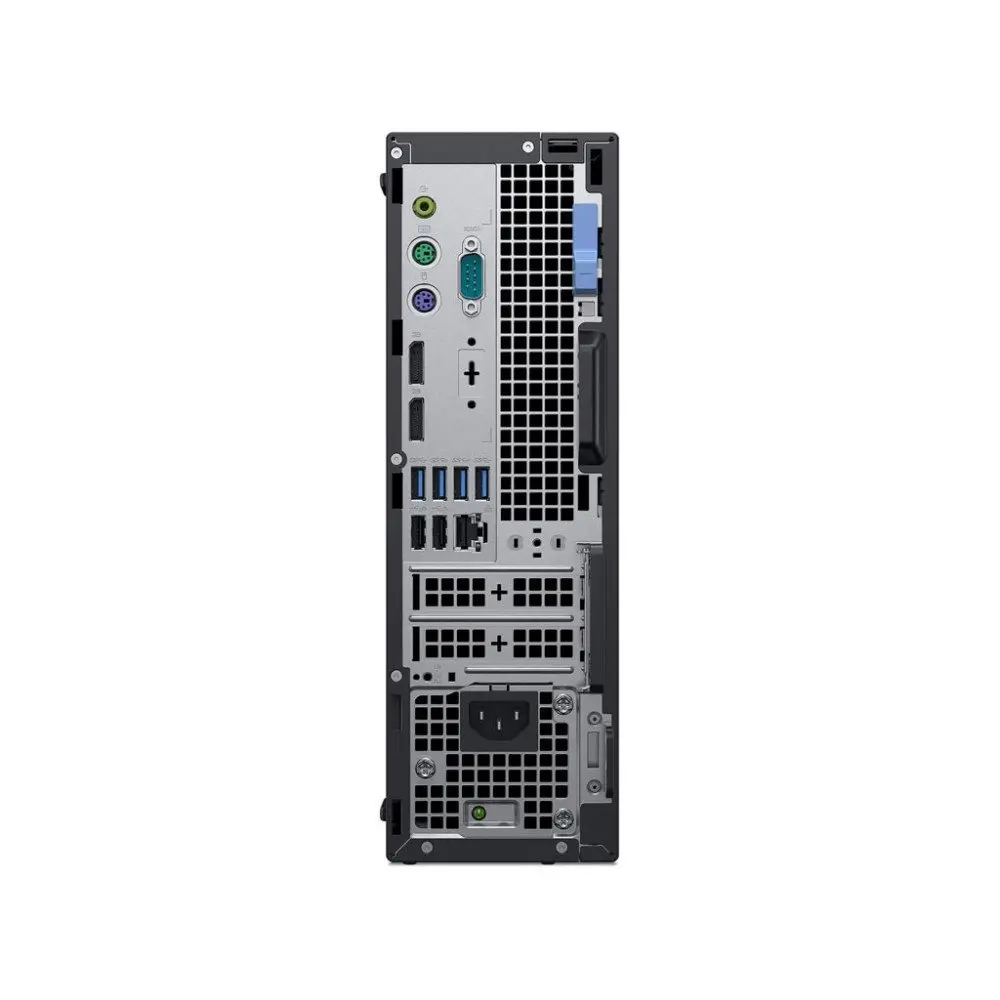
Here is something that might surprise you. Many brand new consumer computers are designed with planned obsolescence in mind. Thin plastic chassis, weak cooling systems, and proprietary parts make them feel fine for the first year and then slowly fall apart. Business-class machines, the kind that PC shops love to refurbish, are built exactly the opposite way. They have metal frames, efficient cooling solutions, and components that are meant to run eight hours a day for years. When a company leases hundreds of these machines, they expect them to work without constant repairs. That same engineering excellence ends up in your hands when you buy refurbished. A good PC shop also adds their own layer of reliability by replacing the most common failure points. Old hard drives become new SSDs. Worn-out fans get swapped. Thermal paste is reapplied to keep the processor cool. The result is a machine that is arguably more reliable than a brand new budget computer.
The Financial Freedom of Spending Less on Hardware
Let me paint a picture of what financial freedom looks like in the world of computers. You have five hundred dollars to spend. Option one is a brand new laptop from a big store. It will have a slow processor, barely enough RAM, and a tiny hard drive. It will feel outdated within a year. Option two is a visit to a local PC shop where you pick up a refurbished desktop with an Intel Core i7 processor, sixteen gigabytes of RAM, a fast SSD, and even a nice monitor included because you saved so much money. You pocket the remaining cash or use it for something useful like a comfortable chair or a better keyboard. Which option actually improves your life? The refurbished route, without question. Spending less on the computer itself means you have room in your budget for the accessories and upgrades that make the whole experience better. That is not being cheap. That is being smart with your resources.
How a PC Shop Tests for True Dependability
Anyone can wipe a hard drive and call a computer refurbished. A trustworthy PC shop goes much deeper. The testing process typically starts with a visual inspection of the motherboard, looking for swollen capacitors or burnt traces that signal impending failure. Then comes automated memory testing that runs for multiple passes, catching even rare errors that could cause random crashes. The storage drive is scanned sector by sector, and any drive with a single problem gets replaced rather than patched. The power supply is tested under load because a failing power supply can take out an entire system. The cooling system is checked, and any fan that makes unusual noise is replaced. Finally, the entire system runs a stress test for twenty-four to forty-eight hours while technicians monitor temperatures and voltages. Only after all of that does the shop put a price tag on the machine. That level of testing is why refurbished PCs from good shops rarely fail early. They have already survived the hardest tests.
Matching Your Needs to the Right Refurbished Upgrade
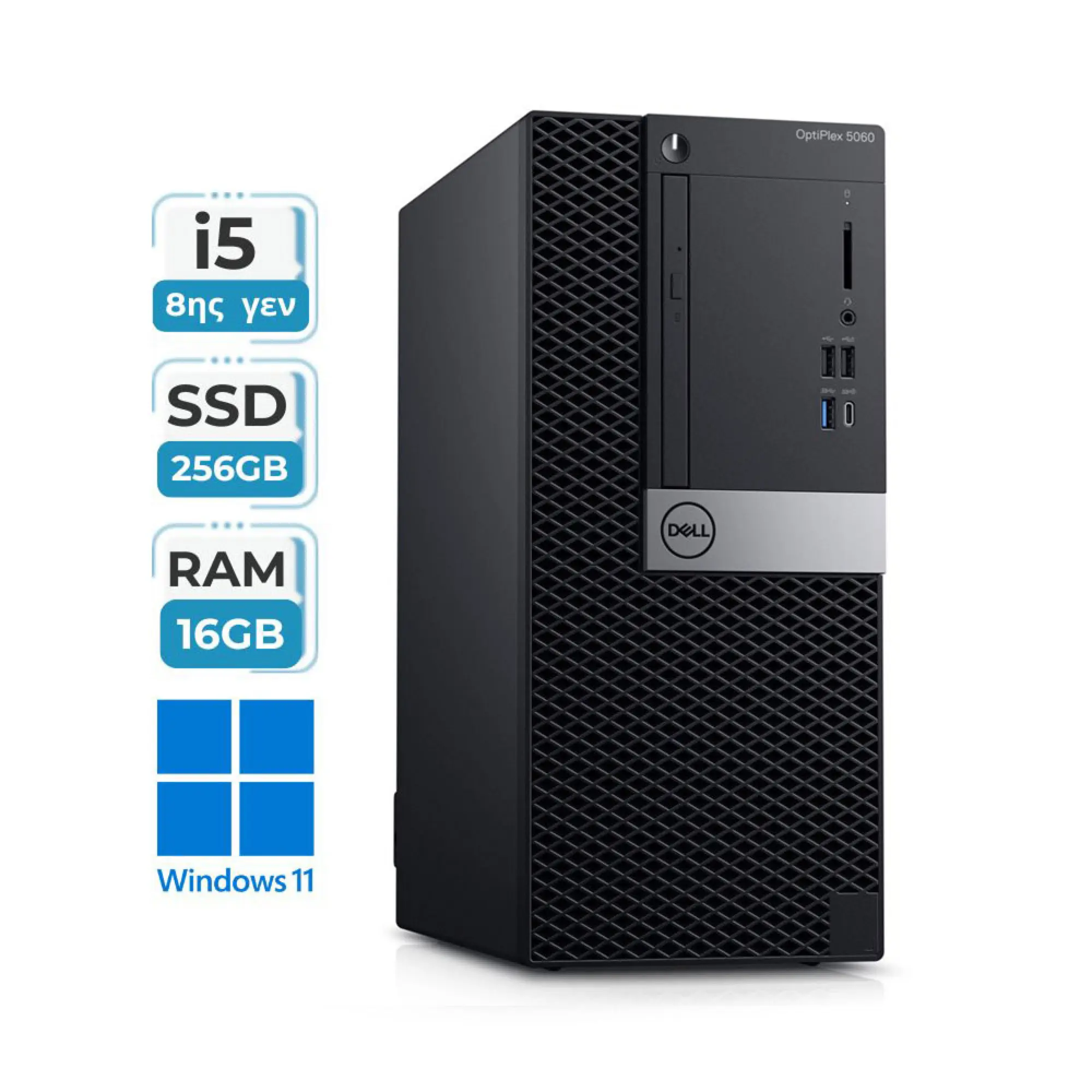
Not every refurbished computer will feel like an upgrade for every person. That is why a conversation with the shop matters. If your old computer struggles with basic web browsing and email, almost any refurbished machine from the last four years will feel dramatically faster. You can spend as little as one hundred fifty dollars and walk out happy. If you do light photo editing or run multiple office applications at once, look for a refurbished machine with at least sixteen gigabytes of RAM and an Intel Core i5 or better. That might run you two hundred fifty to three hundred fifty dollars. If you are a software developer running virtual machines or a designer working with large files, invest in a refurbished workstation with thirty-two gigabytes of RAM and a professional graphics card. That could cost five hundred to seven hundred dollars, still far less than the two thousand dollars a new workstation would cost. The shop’s job is to listen to what you actually do and point you to the sweet spot where price meets performance.
The Environmental Case for Upgrading Refurbished
There is something quietly satisfying about knowing that your affordable upgrade did not require mining new metals or burning fossil fuels to manufacture another plastic chassis. Electronic waste is one of the fastest growing pollution problems on the planet. Millions of perfectly usable computers are thrown away every year simply because their original owners wanted something newer. When you buy a refurbished pc, you are pulling one of those machines out of the waste stream and giving it a productive second life. You are also sending a message to manufacturers that you value repairability and longevity over planned obsolescence. Many PC shops go even further by recycling every component that cannot be reused, keeping toxic lead, mercury, and cadmium out of landfills. You do not have to be an environmental activist to appreciate that. It just feels good to make a choice that is both smart for your wallet and kinder to the planet.
Making the Leap without Fear or Regret
I understand the hesitation. Buying refurbished feels different than buying new. There is a small voice in the back of your head wondering if you are making a mistake. Let me put that voice to rest. A good PC shop offers warranties, usually ninety days to a full year, so you are protected if something goes wrong. They let you test the machine before you pay. They answer your questions without making you feel foolish. And they have a local reputation to protect, so they are not going to sell you junk and disappear. The real risk is not buying refurbished. The real risk is spending way too much money on a new computer that does not actually meet your needs or, just as bad, continuing to suffer with a slow, frustrating machine because you think you cannot afford an upgrade. Walk into a PC shop this week. Ask to see their refurbished section. Boot up a few machines. You will be surprised at how good they feel. And when you see the price, you will wonder why you did not do this years ago.
Comments
Log in or sign up to join the conversation.