

United States Smart Antenna Market Outlook
According to TechSci Research report, “U.S. Smart Antenna Market Size – By Region, Competition, Forecast and Opportunities, 2031F”, The United States Smart Antenna Market will grow from USD 4.83 Billion in 2025 to USD 8.31 Billion by 2031 at a 9.47% CAGR.
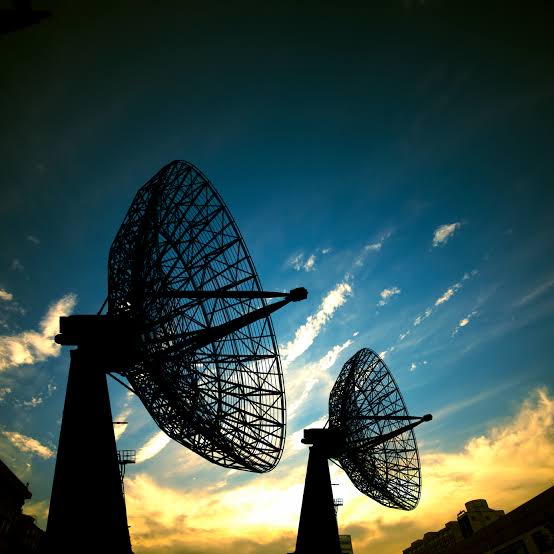
The telecommunications and connectivity landscape in the United States is undergoing an unprecedented transformation. The nation is rapidly moving toward a hyper-connected digital ecosystem where high-speed communication, seamless data transmission, and intelligent networking capabilities are becoming essential requirements across industries. Amid this technological evolution, smart antenna technology has emerged as one of the most significant innovations revolutionizing wireless communications and enabling next-generation connectivity.
The impressive growth trajectory of the market reflects the increasing need for sophisticated communication infrastructure capable of supporting rapidly expanding wireless networks, connected devices, and data-intensive applications. Smart antennas are no longer confined to traditional telecommunications applications; they are increasingly being deployed across diverse sectors, including automotive, defense, healthcare, industrial automation, consumer electronics, and smart cities.
At the center of this transformation is the increasing adoption of the Internet of Things (IoT), the widespread deployment of fifth-generation (5G) networks, and growing investments in digital infrastructure modernization. Smart antennas have emerged as critical technologies that facilitate efficient communication, optimize signal transmission, minimize interference, and significantly improve network performance.
As the United States continues its journey toward digital transformation and technological advancement, smart antenna technologies are expected to become indispensable components of the country's communication ecosystem.
Request For Sample Copy of Report For More Detailed Market insight: https://www.techsciresearch.com/sample-report.aspx?cid=22964#requestform
Industry Key Highlights
United States Smart Antenna Market valued at USD 3.5 Billion in 2024
Market projected to reach USD 8.31 Billion by 2031
Expected CAGR of 9.47% during the forecast period
Growing adoption of smart antennas across telecommunications and enterprise networks
Rapid deployment of 5G infrastructure accelerating market demand
Increasing integration of Internet of Things devices
Rising investments in smart city projects and intelligent transportation systems
Wi Max Systems emerged as the dominant application segment in 2024
South US region identified as the fastest-growing market
Increasing use of smart antennas in defense, automotive, and healthcare sectors
Understanding Smart Antenna Technology
Smart antennas are advanced wireless communication systems designed to improve signal reception and transmission through intelligent signal processing capabilities.
Unlike conventional antennas that transmit signals uniformly in all directions, smart antennas use multiple antenna elements combined with sophisticated digital signal processing algorithms to dynamically adapt transmission patterns according to network conditions.
The technology provides several significant advantages:
Improved signal quality
Enhanced network coverage
Increased data throughput
Reduced signal interference
Greater network capacity
Lower power consumption
Improved spectrum efficiency
Enhanced communication reliability
Smart antennas generally operate using beamforming and spatial processing techniques that enable wireless systems to focus signals toward specific users or devices while minimizing interference from unwanted directions.
This capability makes smart antennas highly suitable for modern communication technologies, particularly in environments characterized by high data traffic and dense device connectivity.
Market Overview
The United States is one of the world's most technologically advanced economies and remains a global leader in digital innovation, telecommunications infrastructure, and advanced wireless technology adoption.
The country's communication networks are evolving rapidly to accommodate increasing demand for:
High-speed internet connectivity
Cloud applications
Streaming services
Internet of Things ecosystems
Connected vehicles
Artificial intelligence applications
Smart manufacturing solutions
Advanced defense communications
These developments are creating substantial opportunities for smart antenna technologies.
The market is benefiting from strong investments by both public and private sectors aimed at modernizing communication infrastructure and expanding digital connectivity across the nation.
Moreover, increasing data consumption and growing dependence on wireless technologies are driving demand for intelligent antenna systems capable of delivering superior performance and network efficiency.
Major Market Drivers
Growing Adoption of Internet of Things (IoT)
One of the most influential factors driving the United States Smart Antenna Market is the rapid expansion of the Internet of Things ecosystem.
The IoT landscape comprises billions of interconnected devices that continuously communicate, exchange data, and perform intelligent functions across various applications.
These applications include:
Smart homes
Industrial automation
Connected healthcare
Smart transportation
Intelligent manufacturing
Agriculture monitoring
Smart utilities
Environmental monitoring systems
The success of these applications depends heavily upon reliable and uninterrupted wireless communication.
Smart antennas play a crucial role in enabling IoT deployments by providing:
Dynamic beam steering
Improved signal strength
Enhanced network capacity
Reduced interference
Better connectivity reliability
As the number of connected devices continues increasing exponentially, the demand for smart antenna technologies is expected to witness substantial growth.
The relationship between IoT and smart antenna technologies illustrates the growing importance of intelligent communication systems capable of supporting highly interconnected digital ecosystems.
Rapid Deployment of 5G Networks
The rollout of fifth-generation wireless networks represents another major growth catalyst for the market.
5G technology promises transformative improvements in communication capabilities, including:
Ultra-high-speed connectivity
Extremely low latency
Massive device connectivity
Enhanced network reliability
Greater data handling capabilities
However, achieving these capabilities requires sophisticated antenna systems capable of efficiently managing complex communication environments.
Smart antennas have become essential components of 5G infrastructure because of their ability to:
Optimize signal transmission
Support beamforming capabilities
Enhance spectrum utilization
Improve network performance
Increase coverage efficiency
Telecommunications providers across the United States are making significant investments in upgrading network infrastructure and expanding 5G deployment.
As 5G adoption continues accelerating nationwide, smart antenna technologies are expected to experience sustained growth.
Increasing Demand for High-Speed Data Connectivity
The digital economy is increasingly driven by applications requiring fast, reliable, and uninterrupted internet connectivity.
Modern consumers and businesses rely heavily on:
Video streaming
Cloud computing
Online gaming
Remote collaboration
Digital entertainment
Virtual meetings
Data analytics
Artificial intelligence applications
These applications place enormous pressure on existing communication networks.
Smart antennas significantly improve network efficiency by dynamically adjusting signal transmission and maximizing data throughput.
As data consumption continues rising across the United States, network operators are increasingly deploying smart antenna solutions to improve service quality and customer experiences.
Expansion of Smart Cities
Smart city initiatives are gaining significant momentum throughout the United States.
Cities increasingly utilize digital technologies to improve:
Traffic management
Public safety
Energy efficiency
Environmental sustainability
Transportation systems
Public services
Resource management
These applications require highly efficient wireless communication networks capable of supporting thousands of interconnected devices.
Smart antennas play a fundamental role by providing:
Enhanced network coverage
Greater capacity
Reliable communication
Efficient signal distribution
As urbanization accelerates and municipalities continue investing in smart city infrastructure, demand for smart antenna technologies is expected to increase substantially.
Rising Investments in Defense and Aerospace Communications
The defense and aerospace industries represent important growth areas for the smart antenna market.
Modern defense systems increasingly depend upon advanced communication technologies that offer:
Secure connectivity
Reliable signal transmission
Real-time intelligence sharing
Enhanced situational awareness
Smart antennas are increasingly utilized in:
Radar systems
Military communication networks
Satellite communication platforms
Intelligence systems
Aerospace communication infrastructure
Growing government investments in defense modernization programs are creating significant opportunities for market participants.
Emerging Trends in the United States Smart Antenna Market
Artificial Intelligence-Driven Antenna Systems
Artificial intelligence is revolutionizing communication technologies by enabling intelligent decision-making capabilities.
AI-powered smart antennas can:
Analyze network traffic patterns
Optimize beamforming automatically
Predict connectivity issues
Improve signal quality
Reduce operational inefficiencies
The integration of artificial intelligence is transforming antenna systems into highly adaptive and autonomous communication solutions.
Growth of Edge Computing
Edge computing is emerging as a critical technology supporting real-time applications and data processing requirements.
Applications such as:
Autonomous vehicles
Industrial automation
Augmented reality
Smart manufacturing
Remote healthcare
require extremely low latency and rapid data processing capabilities.
Smart antennas combined with edge computing technologies provide:
Faster communication
Reduced latency
Enhanced performance
Better network responsiveness
The increasing deployment of edge computing infrastructure is expected to accelerate smart antenna adoption.
Integration with Connected Vehicles
The automotive industry is undergoing a technological transformation driven by connected mobility and autonomous driving technologies.
Modern vehicles increasingly require advanced communication systems capable of supporting:
Vehicle-to-vehicle communication
Vehicle-to-infrastructure communication
Real-time navigation
Remote diagnostics
Autonomous driving capabilities
Smart antennas provide reliable and efficient connectivity essential for connected transportation ecosystems.
The increasing penetration of connected vehicles is creating significant growth opportunities for the market.
Adoption in Industrial Automation
Industries are increasingly adopting automation technologies to improve productivity and operational efficiency.
Industrial environments increasingly rely on:
Robotics
Industrial IoT devices
Predictive maintenance systems
Machine-to-machine communications
Automated production processes
These applications require dependable wireless connectivity and efficient data transmission.
Smart antennas are becoming critical enablers of industrial digital transformation initiatives.
Development of Private Wireless Networks
Enterprises are increasingly deploying private wireless networks to improve security, reliability, and operational performance.
Private networks are gaining popularity across:
Manufacturing
Logistics
Healthcare
Mining
Energy
Smart antennas are essential components of these networks because they deliver optimized connectivity and superior network efficiency.
Regional Analysis
South US Emerges as the Fastest-Growing Region
The South United States has emerged as the fastest-growing region within the smart antenna market.
States such as:
Texas
Georgia
Florida
Virginia
Alabama
Tennessee
have become major centers for technological innovation and digital infrastructure development.
Several factors are driving regional growth.
Strong Technology Ecosystem
Major technology hubs including Austin, Atlanta, and Miami attract leading technology companies, startups, and research institutions.
This concentration of innovation encourages the development and deployment of advanced communication technologies.
Rapid Urbanization
The region is experiencing significant economic expansion and urban development.
The rise of smart cities and digital infrastructure projects is creating increasing demand for robust communication networks.
Infrastructure Investments
Southern states are investing heavily in:
Telecommunications networks
Fiber infrastructure
Base stations
Data centers
Digital transformation initiatives
These investments support widespread deployment of smart antenna technologies.
Favorable Regulatory Environment
State governments continue introducing initiatives aimed at encouraging innovation and attracting technology investments.
Supportive policies and incentives are reducing barriers for technology deployment and accelerating market growth.
Strong Industry Presence
Several industries with significant communication requirements are highly concentrated in the South, including:
Defense
Automotive manufacturing
Healthcare
Industrial manufacturing
Technology services
These industries increasingly depend upon smart antenna technologies to support advanced communication requirements.
Competitive Analysis
Huawei Technologies Co. Ltd.
Telefonaktiebolaget LM Ericsson
Nokia Corporation
Qualcomm Incorporated
Samsung Electronics Co. Ltd.
Intel Corporation
Broadcom Inc.
ZTE Corporation
Cisco Systems Inc.
NEC Corporation
Customers can also request for 10% free customization on this report.
Future Outlook
The future of the United States Smart Antenna Market appears exceptionally promising.
The increasing convergence of:
5G communication technologies
Internet of Things ecosystems
Artificial intelligence
Connected vehicles
Smart cities
Industrial automation
Edge computing
Private wireless networks
is expected to fundamentally reshape communication infrastructure across the nation.
Growing demand for high-speed, low-latency, and highly reliable connectivity solutions will continue driving investments in advanced antenna technologies.
The continued expansion of digital transformation initiatives across industries and government sectors is expected to create sustained opportunities for market participants.
As communication requirements become increasingly complex and data-intensive, smart antennas will remain essential technologies enabling the next generation of intelligent, connected, and digitally empowered ecosystems throughout the United States.
10 Benefits of the United States Smart Antenna Market Research Report
Provides detailed market size and growth forecasts.
Offers comprehensive analysis of emerging industry trends.
Evaluates key market drivers and growth opportunities.
Delivers in-depth segmentation analysis by type and application.
Identifies regional investment opportunities and high-growth markets.
Provides detailed competitive landscape assessments.
Assesses technological innovations shaping future industry development.
Helps stakeholders formulate effective business strategies.
Supports informed investment and expansion decisions.
Enables organizations to gain competitive advantages through data-driven market intelligence and strategic planning.
Contact US:
Techsci Research LLC
420 Lexington Avenue, Suite 300,
New York, United States- 10170
Tel: +13322586602
Email: [email protected]
Web: https://www.techsciresearch.com/
Comments
Log in or sign up to join the conversation.