

Introduction
According to TechSci Research report, “United States Oil and Gas Accumulator Market Report - By Region, Competition Forecast & Opportunities, 2030F, United States Oil and Gas Accumulator Market has valued at USD 68.9 Million in 2024 and is expected to reach at USD 95.31 Million in 2030 and project robust growth in the forecast period with a CAGR of 5.4% through 2030.
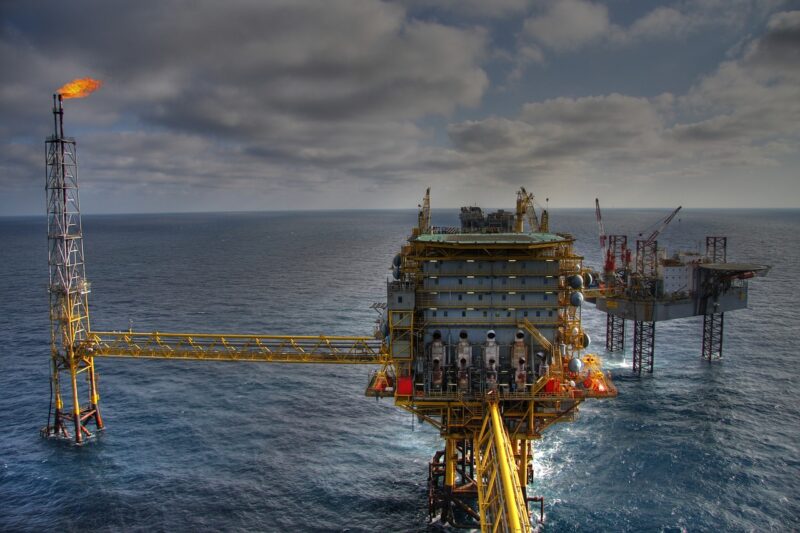
Hydraulic accumulators play a critical role in modern oil and gas operations by storing hydraulic energy, maintaining system pressure, ensuring operational safety, and supporting emergency shutdown systems. They are widely deployed in drilling rigs, blowout preventers (BOPs), subsea production systems, hydraulic control units, well intervention equipment, and offshore platforms. As energy companies focus on improving operational efficiency while complying with strict safety regulations, demand for reliable accumulator systems continues to increase.
The United States remains one of the world's largest oil and natural gas producers, supported by abundant shale reserves, advanced drilling technologies, and continuous investments in exploration activities. As operators increasingly adopt automation, digital monitoring, and predictive maintenance technologies, accumulator systems are evolving from simple hydraulic storage devices into intelligent components capable of enhancing equipment performance and reducing operational risks.
Request For Sample Copy of Report For More Detailed Market insight
Industry Key Highlights
Market valued at USD 68.9 Million in 2024.
Expected to reach USD 95.31 Million by 2030.
Forecast CAGR of 5.4% through 2030.
Rising shale exploration continues supporting market demand.
Offshore drilling investments remain a major revenue contributor.
Northeast emerges as the fastest-growing regional market.
Diaphragm accumulators record the fastest segment growth.
Automation and digital oilfield technologies accelerate adoption.
Increasing emphasis on operational safety boosts hydraulic system upgrades.
Growing investments in predictive maintenance improve equipment reliability.
Market Overview
Hydraulic accumulator systems have become indispensable across upstream oil and gas operations due to their ability to stabilize hydraulic pressure, store energy, absorb shocks, and provide emergency backup power. Whether deployed in onshore shale fields or offshore drilling platforms, accumulators improve equipment reliability while ensuring safe drilling operations under high-pressure environments.
The United States energy industry continues investing heavily in infrastructure modernization to maximize production from both conventional and unconventional reserves. Hydraulic fracturing, horizontal drilling, enhanced oil recovery (EOR), and deepwater exploration require sophisticated hydraulic systems capable of maintaining stable pressure under extreme operating conditions.
Oil and gas accumulators improve operational efficiency by minimizing pressure fluctuations, reducing hydraulic pump loads, extending equipment lifespan, and supporting emergency safety functions. These benefits make them essential components across drilling, production, transportation, and processing operations.
Growing investments in pipeline infrastructure, LNG export terminals, offshore production facilities, and digital oilfields further strengthen market prospects throughout the forecast period.
Emerging Trends
Digital Hydraulic Monitoring
Oilfield operators increasingly deploy intelligent accumulator systems equipped with sensors capable of monitoring pressure, temperature, nitrogen levels, and overall system performance in real time. These smart monitoring capabilities reduce unexpected failures while supporting predictive maintenance strategies.
Automation Across Oilfields
Automation continues transforming drilling operations throughout the United States. Automated drilling rigs, remotely operated equipment, and intelligent hydraulic control systems require dependable accumulator technologies capable of maintaining uninterrupted hydraulic pressure.
Offshore Equipment Modernization
Offshore operators are replacing aging hydraulic systems with advanced accumulator solutions designed to withstand harsh marine environments. Corrosion-resistant materials, longer maintenance intervals, and higher operating efficiency characterize modern accumulator technologies.
Sustainable Hydraulic Systems
Environmental sustainability is becoming increasingly important. Manufacturers are developing accumulator systems with improved sealing technologies that minimize hydraulic fluid leakage while enhancing energy efficiency and reducing maintenance requirements.
Predictive Maintenance Adoption
Artificial intelligence and Industrial Internet of Things (IIoT) technologies enable continuous monitoring of accumulator performance. Predictive analytics help operators identify component wear before failures occur, minimizing costly downtime and extending equipment life.
Main Market Drivers & Trends
Rising Energy Demand
Growing industrialization, transportation activities, petrochemical production, and electricity consumption continue increasing oil and gas demand. Energy producers require reliable hydraulic equipment capable of maximizing production efficiency while maintaining safety standards.
Expansion of Shale Production
The United States remains a global leader in shale oil and natural gas production. Hydraulic fracturing operations require advanced accumulator systems for pressure control, fluid management, and well safety, making shale development a significant growth driver.
Increasing Offshore Exploration
As easily accessible reserves decline, operators continue expanding offshore exploration activities. Deepwater drilling environments require high-performance accumulator systems capable of operating under extreme pressures and harsh environmental conditions.
Stringent Safety Regulations
Government agencies and industry organizations continue strengthening safety requirements across drilling operations. Blowout preventers, emergency shutdown systems, and well-control equipment rely heavily on accumulator systems to ensure operational safety.
Infrastructure Modernization
Pipeline expansion, refinery upgrades, LNG export facilities, and production infrastructure modernization create sustained demand for hydraulic control systems and accumulator technologies.
Digital Oilfield Development
Digital transformation initiatives are reshaping oil and gas operations. Intelligent hydraulic systems integrated with cloud platforms, remote monitoring software, and predictive maintenance solutions improve operational visibility and asset utilization.
Key Highlights
Smart accumulator technologies improve operational efficiency.
Shale exploration remains a major market catalyst.
Offshore investments strengthen long-term market growth.
Digital monitoring enhances equipment reliability.
Safety compliance accelerates hydraulic equipment upgrades.
Energy infrastructure investments support sustained demand.
Predictive maintenance reduces operational downtime.
Advanced materials improve accumulator durability.
Automation drives adoption across drilling operations.
Northeast region records rapid expansion due to shale development.
Market Segmentation Overview
The United States Oil and Gas Accumulator Market can be segmented by Type, Deployment Location, and Region.
Based on Type, the market includes Bladder Accumulators, Piston Accumulators, and Diaphragm Accumulators. Among these, diaphragm accumulators are witnessing the fastest growth due to their compact design, lower maintenance requirements, excellent contamination resistance, and suitability for low- to medium-pressure hydraulic systems.
Based on Deployment Location, the market is categorized into Onshore and Offshore applications. Onshore installations continue generating substantial demand owing to expanding shale exploration activities, while offshore deployments increasingly require high-performance accumulator systems designed for extreme operating conditions.
Regionally, the Northeast United States has emerged as the fastest-growing market. Significant investments in the Marcellus and Utica shale formations, combined with expanding hydraulic fracturing operations and pipeline infrastructure, continue accelerating accumulator demand throughout the region.
The market remains highly competitive, with leading manufacturers focusing on product innovation, digital integration, enhanced durability, predictive maintenance capabilities, and environmentally sustainable hydraulic technologies to strengthen their competitive positions.
Key market players in the United States Oil and Gas Accumulator Market are: -
Parker Hannifin Corporation
Eaton Corporation PLC
Schlumberger Limited
Aker Solutions ASA
Hydac International GmbH
Bosch Rexroth AG
TechnipFMC Plc
Baker Hughes Company
Customers can also request for 10% free customization on this report.
10 Benefits of the Research Report
Comprehensive Market Insights: Delivers an in-depth understanding of the United States Oil and Gas Accumulator Market, including current market size, historical performance, growth trends, and future projections to support strategic planning.
Detailed Market Segmentation: Provides extensive analysis by type, deployment location, and region, helping stakeholders identify high-growth segments and emerging investment opportunities.
Identification of Key Growth Drivers: Examines the major factors influencing market expansion, including rising energy demand, shale exploration, offshore drilling, automation, and infrastructure modernization.
Emerging Trends Analysis: Highlights the latest technological developments such as smart hydraulic accumulators, predictive maintenance, digital oilfields, AI-enabled monitoring systems, and environmentally sustainable hydraulic solutions.
Competitive Landscape Assessment: Offers detailed insights into leading market participants, their product portfolios, business strategies, innovation initiatives, partnerships, mergers, acquisitions, and competitive positioning.
Regional Market Evaluation: Analyzes regional performance across the United States, identifying high-growth areas such as the Northeast while evaluating regional investment opportunities and market dynamics.
Challenges and Risk Assessment: Evaluates key market challenges including fluctuating oil prices, stringent environmental regulations, high capital investments, supply chain disruptions, and equipment maintenance requirements.
Strategic Decision-Making Support: Enables manufacturers, equipment suppliers, investors, service providers, and policymakers to make informed business decisions through reliable market intelligence and long-term forecasts.
Investment Opportunity Analysis: Identifies lucrative opportunities across offshore drilling, unconventional oil and gas production, digital oilfield technologies, hydraulic automation, and advanced accumulator systems.
Future Market Outlook: Provides actionable forecasts, industry outlook, and strategic recommendations that help businesses develop expansion plans, optimize product development, strengthen market positioning, and capitalize on future growth opportunities.
Contact US:
Techsci Research LLC
420 Lexington Avenue, Suite 300,
New York, United States- 10170
Tel: +13322586602
Email: [email protected]
Comments
Log in or sign up to join the conversation.