
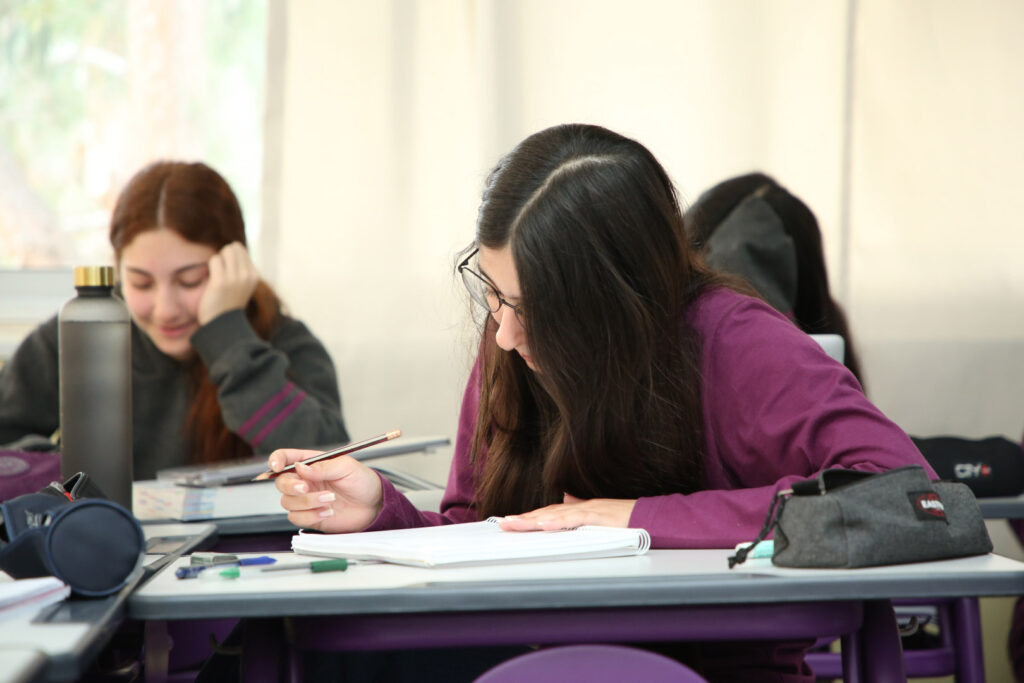
The International Baccalaureate (IB) Diploma is recognized worldwide as a rigorous and comprehensive pre-university program. An ib diploma equips students with critical thinking skills, interdisciplinary knowledge, and global awareness, preparing them for higher education and professional success. Many international schools in Hong Kong offer the IB Diploma program to provide students with a challenging and well-rounded curriculum.
What is the IB Diploma?
The IB Diploma is a two-year educational program for students aged 16 to 19, focusing on academic excellence and holistic development. The program emphasizes inquiry-based learning, research skills, and ethical thinking. Students study six subject groups while also completing core requirements such as the Extended Essay, Theory of Knowledge, and Creativity, Activity, Service (CAS).
Key features include:
Internationally recognized curriculum for universities worldwide
Emphasis on analytical thinking and research skills
Interdisciplinary learning across six subject groups
Development of personal and social responsibility through CAS
Preparation for global higher education and careers
Benefits of Pursuing the IB Diploma
The IB Diploma provides numerous advantages for students seeking academic and personal growth:
Global Recognition: Accepted by top universities across the world.
Critical Thinking: Encourages students to analyze, evaluate, and synthesize information.
Interdisciplinary Knowledge: Integrates subjects for a holistic understanding.
Research Skills: Students complete an Extended Essay to develop independent research abilities.
Personal Growth: CAS activities promote creativity, physical activity, and community engagement.
Curriculum Overview
The IB Diploma curriculum is structured around six subject groups:
Language and Literature: Enhances reading, writing, and communication skills.
Language Acquisition: Develops proficiency in a second language.
Individuals and Societies: Includes history, economics, geography, and social sciences.
Sciences: Biology, chemistry, physics, and environmental systems.
Mathematics: Applied and theoretical mathematics, problem-solving, and analytical thinking.
Arts: Visual arts, music, theatre, or interdisciplinary arts.
Students must take three subjects at a higher level and three at a standard level, allowing for both specialization and broad-based learning.
Core Components of the IB Diploma
Extended Essay (EE): A 4,000-word independent research paper fostering inquiry and research skills.
Theory of Knowledge (TOK): Develops critical thinking and understanding of knowledge across disciplines.
Creativity, Activity, Service (CAS): Encourages engagement in arts, sports, and community service for personal growth.
Choosing the Right IB Diploma Program in Hong Kong
When selecting an IB Diploma program, consider:
Accreditation: Ensure the school is authorized to offer the IB Diploma.
Teacher Expertise: Experienced IB educators can guide students effectively.
Resources and Facilities: Access to labs, libraries, and technology enhances learning.
Support Services: Academic counseling and university guidance support student success.
Extracurricular Opportunities: Activities that align with CAS and overall development.
For students seeking a globally recognized and academically challenging program, ib diploma provides an excellent foundation for future education and career paths.
Advantages Over Other Pre-University Programs
International recognition by universities worldwide
Strong emphasis on research, critical thinking, and ethics
Encourages holistic development through CAS
Flexible curriculum allowing subject choice and specialization
Prepares students for rigorous academic challenges in higher education
Frequently Asked Questions (FAQs)
Q1: What age group is eligible for the IB Diploma?
A1: Students typically pursue the IB Diploma between ages 16 and 19, usually covering the final two years of secondary education.
Q2: How is the IB Diploma assessed?
A2: Assessment includes internal assessments, external exams, the Extended Essay, and TOK presentations.
Q3: What are the benefits of completing the IB Diploma?
A3: The program develops global awareness, research skills, critical thinking, and prepares students for competitive university admissions worldwide.
Conclusion
The IB Diploma offers a rigorous and globally recognized pathway for students seeking a well-rounded education that prepares them for higher education and beyond. By combining academic excellence with personal growth and community engagement, the program cultivates critical thinking, creativity, and global citizenship. Families considering this pathway can explore programs like ib diploma to ensure their children gain the skills and experience needed for academic and professional success.
Comments
Log in or sign up to join the conversation.