
Learn how indexable CNC tool systems improve machining precision and efficiency. Explore Deskar inserts, thread mills, and expert tooling solutions.
A Complete Guide to Indexable CNC Tool Systems for Modern Manufacturing
Introduction
The manufacturing industry has evolved rapidly with the adoption of advanced machining technologies, enabling businesses to produce highly accurate components with greater efficiency. Among the innovations that have transformed machining operations, indexable tooling systems stand out for their ability to improve productivity, reduce costs, and simplify tool maintenance. Unlike solid cutting tools that require complete replacement after wear, indexable tools use replaceable cutting inserts, allowing manufacturers to continue machining with minimal downtime.
Choosing the right CNC tool is one of the most important decisions in any machining operation. High-quality indexable systems not only improve machining accuracy but also increase operational efficiency, making them a preferred solution for industries such as automotive, aerospace, heavy engineering, and precision manufacturing.
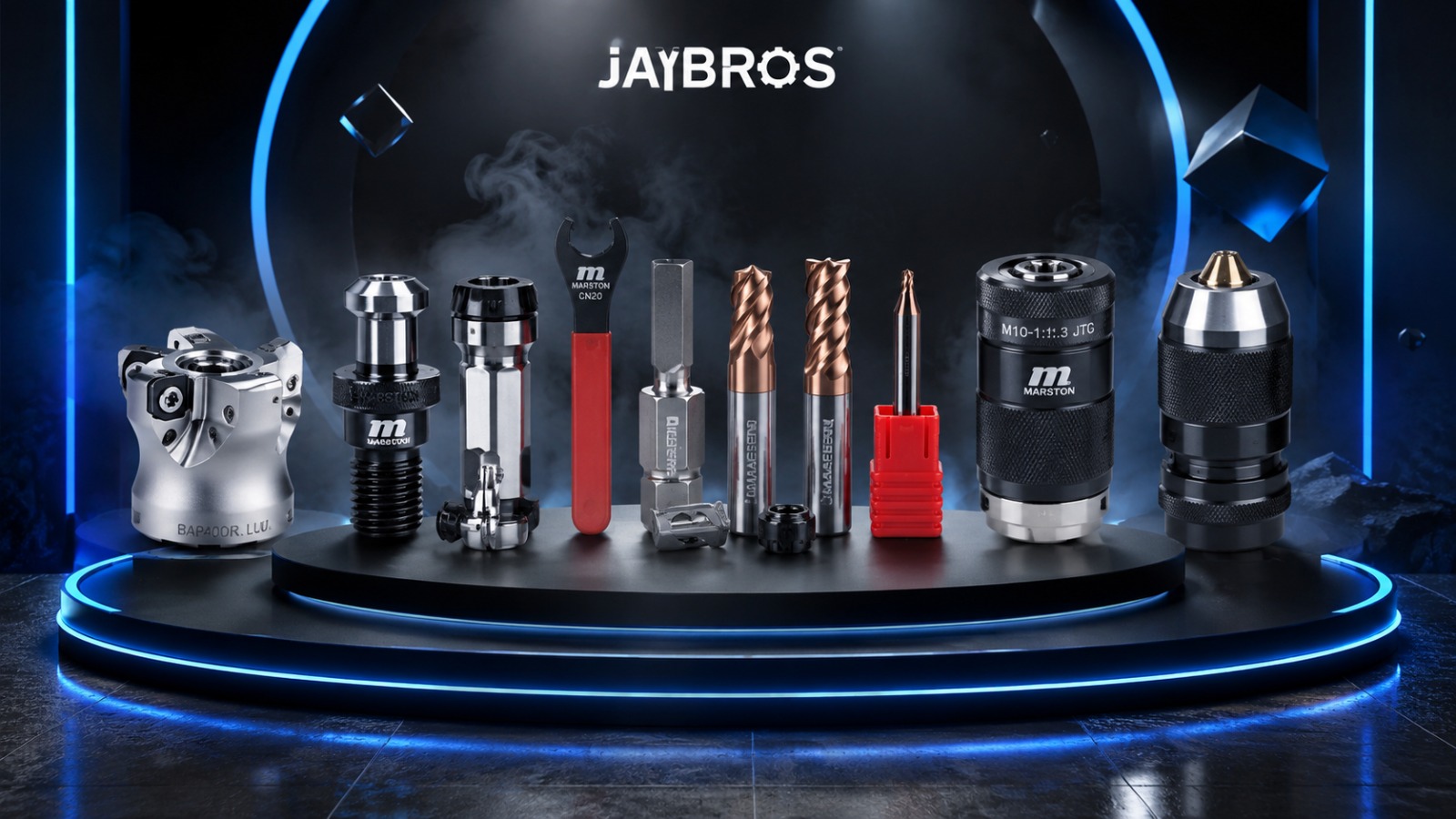
What Is an Indexable CNC Tool System?
An indexable tooling system consists of a reusable tool holder fitted with replaceable cutting inserts. Instead of replacing the entire tool after the cutting edge becomes worn, operators simply rotate or replace the insert while continuing to use the same holder.
This design significantly reduces tooling costs while minimizing machine downtime.
A high-performance CNC tool with an indexable insert system offers greater flexibility for roughing, finishing, grooving, milling, drilling, and turning operations.
Because only the insert requires replacement, manufacturers save both time and money during production.
Why Indexable Tooling Is Popular
Manufacturers across industries increasingly prefer indexable systems because they offer several operational advantages.
Reduced Tooling Costs
Replacing inserts instead of complete tools lowers long-term tooling expenses.
Faster Tool Changes
Operators can quickly replace worn inserts without removing the entire tool holder, reducing production interruptions.
Improved Productivity
Shorter setup times allow machines to remain productive for longer periods.
Better Tool Life
Premium insert materials provide excellent wear resistance even during demanding machining operations.
Consistent Machining Quality
Modern insert manufacturing ensures every cutting edge delivers repeatable performance throughout production.
Components of an Indexable Tool System
An indexable machining system typically includes several essential components.
Tool Holder
The holder secures the insert and transfers cutting forces during machining.
Cutting Insert
The insert performs the actual cutting operation.
It is available in multiple geometries and grades depending on the material being machined.
Clamping System
The insert is secured using screws, wedges, or clamp mechanisms designed for stability during high-speed machining.
Tool Shank
The shank connects the tooling assembly to the CNC machine spindle or turret.
Together, these components allow the CNC tool to deliver consistent machining performance while remaining easy to maintain.
Types of CNC Machine That Use Indexable Tooling
Understanding the various types of CNC machine helps manufacturers choose suitable indexable tooling solutions.
CNC Milling Machines
Milling machines use rotating cutters fitted with indexable inserts for face milling, shoulder milling, and contour machining.
CNC Lathes
Lathes commonly use indexable turning inserts for roughing, finishing, grooving, and threading operations.
CNC Drilling Machines
Indexable drills improve productivity while reducing drilling costs on large-diameter holes.
CNC Boring Machines
Boring tools fitted with replaceable inserts produce highly accurate internal diameters.
CNC Machining Centers
Modern machining centers combine milling, drilling, tapping, and boring operations using various indexable tooling systems.
Each machine benefits from tooling specifically designed for its machining application.
Choosing the Best CNC Tools for Indexable Machining
Selecting the best CNC tools requires careful evaluation of several important factors.
Workpiece Material
Different insert grades perform differently on steel, stainless steel, cast iron, aluminum, and titanium.
Cutting Conditions
Machining speed, feed rate, coolant application, and depth of cut all influence tooling performance.
Insert Geometry
Positive and negative insert geometries affect chip control and cutting forces.
Coating Technology
Advanced coatings improve heat resistance while extending insert life.
Choosing the correct CNC tool for each application ensures higher productivity and consistent machining quality.
Why Deskar Inserts Are Widely Used
Among today's most trusted insert manufacturers, Deskar inserts have become increasingly popular due to their exceptional machining performance.
Key advantages include:
Excellent wear resistance
Stable cutting performance
High-speed machining capability
Multiple insert geometries
Easy replacement
Cost-effective machining
Deskar inserts are widely used for turning, milling, grooving, and profiling operations across various manufacturing industries.
Selecting the appropriate insert grade allows manufacturers to maximize machining efficiency while reducing production costs.
Thread Mill Applications
Modern manufacturers increasingly use the thread mill for creating internal and external threads with greater flexibility than conventional taps.
Benefits include:
Better thread quality
Lower breakage risk
Improved chip evacuation
Ability to machine multiple thread sizes
Excellent performance in hardened materials
Thread milling is particularly useful for high-value components where machining accuracy is essential.
Measuring Accuracy with Digital Vernier Caliper
Precision machining requires accurate inspection at every stage of production.
A digital vernier caliper enables operators to verify dimensions quickly and accurately.
Its advantages include:
High measurement precision
Easy digital display
Metric and inch conversion
Reduced human error
Faster quality control
Using reliable measuring equipment helps manufacturers maintain consistent product quality while minimizing rejection rates.
Buying CNC Tools Online vs Local Suppliers
The way manufacturers source industrial tooling has changed significantly over the years. While many companies now prefer purchasing CNC tools online, others continue searching for CNC tools near me to benefit from immediate product availability and technical support. Choosing the right purchasing method depends on production requirements, delivery timelines, and the level of assistance needed.
Advantages of Buying CNC Tools Online
Purchasing tooling online provides several benefits:
Access to a wider range of products
Competitive pricing
Easy comparison of brands and specifications
Convenient ordering from anywhere
Availability of the latest tooling technologies
Online sourcing is particularly useful for manufacturers looking for specialized indexable tooling systems and premium cutting inserts.
Benefits of Local Suppliers
Local distributors continue to play an important role because they offer:
Faster delivery
Immediate product availability
Technical consultation
Product demonstrations
Reliable after-sales support
Many businesses successfully combine online purchasing with local supplier relationships to ensure uninterrupted production while maintaining flexibility.
Common Mistakes When Using Indexable Tool Systems
Even premium tooling cannot deliver optimal performance if used incorrectly. Understanding common mistakes helps manufacturers improve efficiency and reduce unnecessary expenses.
Using the Wrong Insert Grade
Different materials require different insert grades. Using an insert designed for aluminum on hardened steel, for example, can lead to rapid wear and poor surface finish.
Incorrect Insert Geometry
Selecting the wrong insert shape or rake angle may increase cutting forces, vibration, and chip control problems.
Improper Cutting Parameters
Incorrect spindle speed, feed rate, or depth of cut generates excessive heat, reducing insert life and machining quality.
Delayed Insert Replacement
Continuing to machine with worn inserts often damages workpieces, increases machine load, and negatively affects dimensional accuracy.
Ignoring Tool Holder Maintenance
Dirty or damaged tool holders reduce insert stability and compromise machining performance.
Avoiding these mistakes helps manufacturers maximize productivity and extend tooling life.
Best Practices for Maximizing Tool Performance
Proper tooling management improves machining consistency while reducing production costs.
Manufacturers should follow these best practices:
Select inserts based on workpiece material.
Monitor insert wear regularly.
Follow recommended cutting parameters.
Maintain clean and secure tool holders.
Use proper coolant application when required.
Store inserts carefully to prevent damage.
Investing in a premium CNC tool while following proper machining practices results in longer tool life and more efficient production.
Future of Indexable CNC Tool Systems
Manufacturing technology continues to advance through automation and digital innovation. Indexable tooling systems are evolving alongside these changes.
Smart Tool Monitoring
Modern machining centers now include sensors that monitor insert wear in real time, helping operators replace inserts before machining quality declines.
Advanced Insert Coatings
New coating technologies provide greater heat resistance, lower friction, and significantly longer tool life.
AI-Driven Machining
Artificial intelligence can optimize cutting speeds and feeds automatically, improving machining consistency and reducing cycle times.
Sustainable Manufacturing
Long-lasting inserts reduce waste and improve resource efficiency, supporting environmentally responsible manufacturing practices.
Industry 4.0 Integration
Connected manufacturing systems collect tooling data, allowing businesses to improve productivity through predictive maintenance and process optimization.
These innovations continue to enhance machining performance while reducing operational costs.
Why Quality Tooling Creates Long-Term Value
Investing in superior tooling should be viewed as a strategic decision rather than simply a purchasing expense.
High-quality indexable systems provide:
Improved machining accuracy
Lower tooling costs
Reduced machine downtime
Better productivity
Longer tool life
Consistent product quality
Choosing the right CNC tool allows manufacturers to remain competitive while meeting demanding production schedules and customer expectations.
As production volumes increase, the long-term benefits of premium tooling become even more significant.
Conclusion
Indexable tooling systems have transformed modern machining by improving efficiency, reducing operational costs, and simplifying maintenance. Their ability to use replaceable cutting inserts allows manufacturers to minimize downtime while maintaining outstanding machining accuracy. Selecting a high-performance CNC tool with the right insert geometry, coating, and cutting parameters enables businesses to achieve better productivity, superior surface finishes, and longer tool life. Combined with precision measuring instruments such as the digital vernier caliper, quality tooling forms the foundation of reliable and cost-effective manufacturing.
For businesses seeking dependable machining solutions, Jaibros is a trusted supplier of premium industrial tools and accessories. From high-quality cutting tools and Deskar inserts to advanced thread mill solutions and precision measuring equipment, Jaibros offers products designed to meet the needs of modern manufacturers. With a commitment to quality, performance, and customer satisfaction, Jaibros helps businesses improve machining accuracy, enhance operational efficiency, and achieve long-term manufacturing success.
Comments
Log in or sign up to join the conversation.